Random Half Square Triangle Modern Quilt WIP

by Judy Tucker


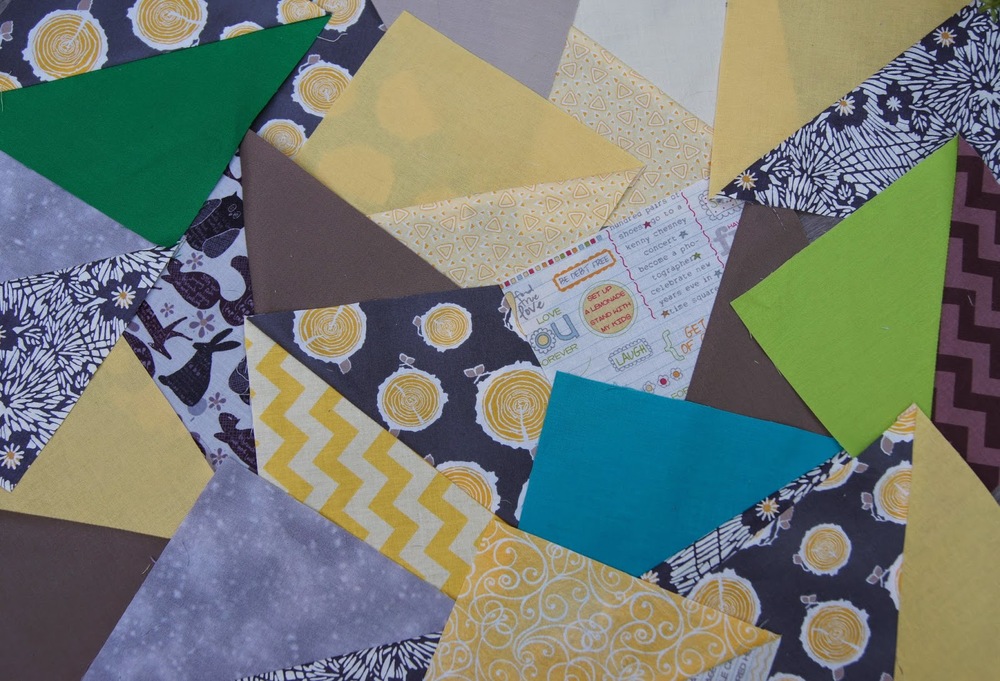
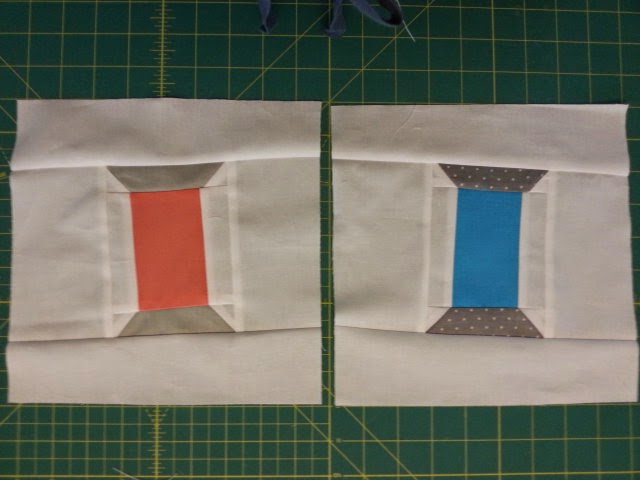
Half Square Triangles trimmed and ready for the Design Wall

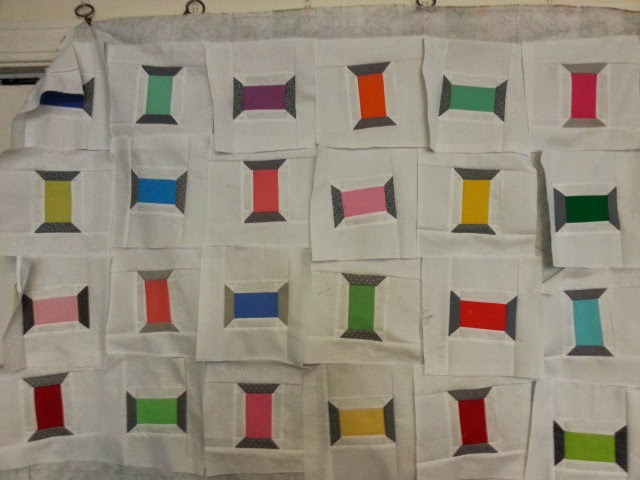
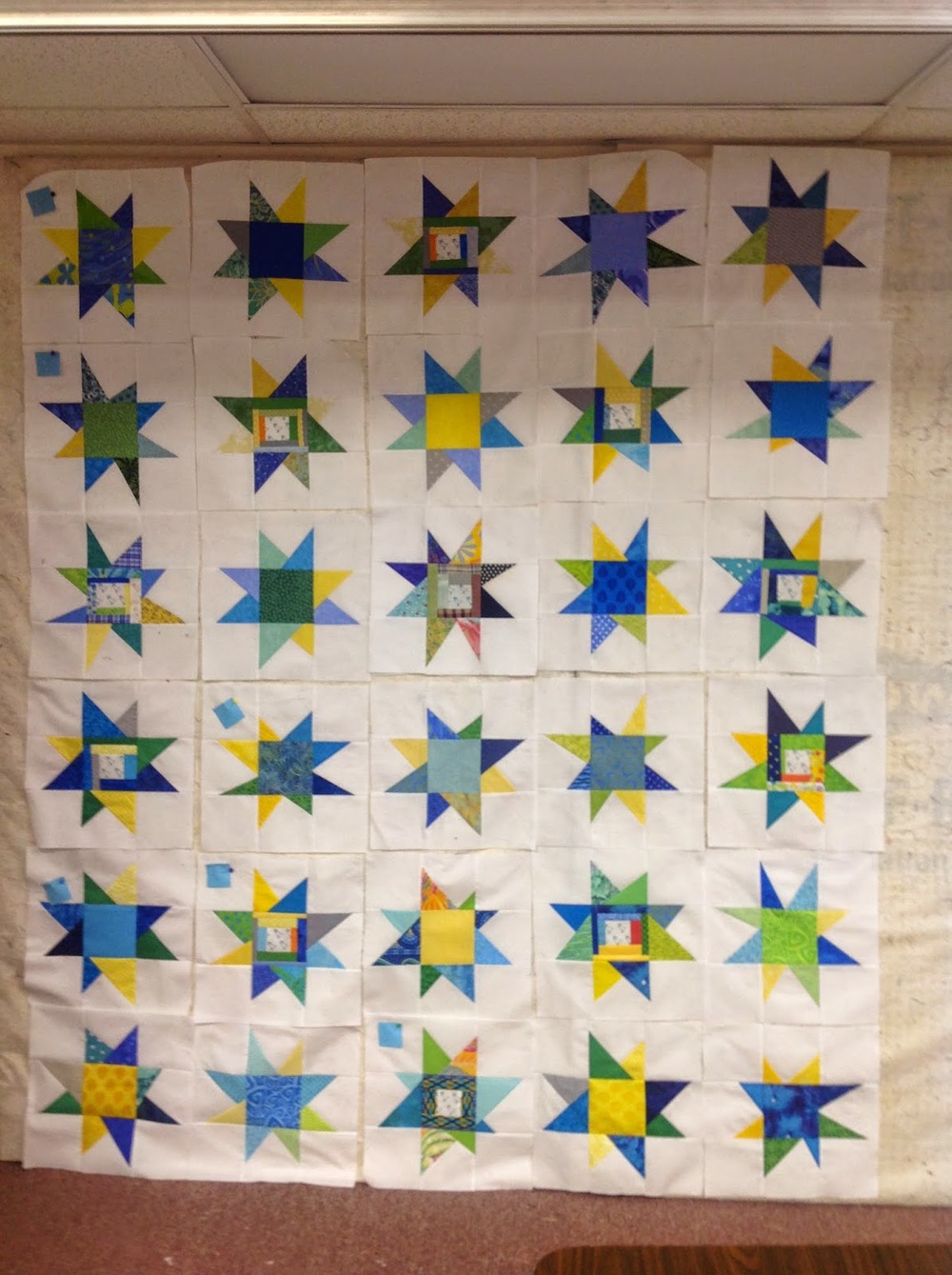
I've been busy working on my almost Random Half Square Triangle Modern quilt.  Almost random because I just couldn't resist pairing up fabrics which highlighted each other.

I decided to make the HSTs (abbreviation for half square triangle) by sewing two squares together with the 1/4 inch sewing lines marked on the square of fabric which is the lighter color of the pair.

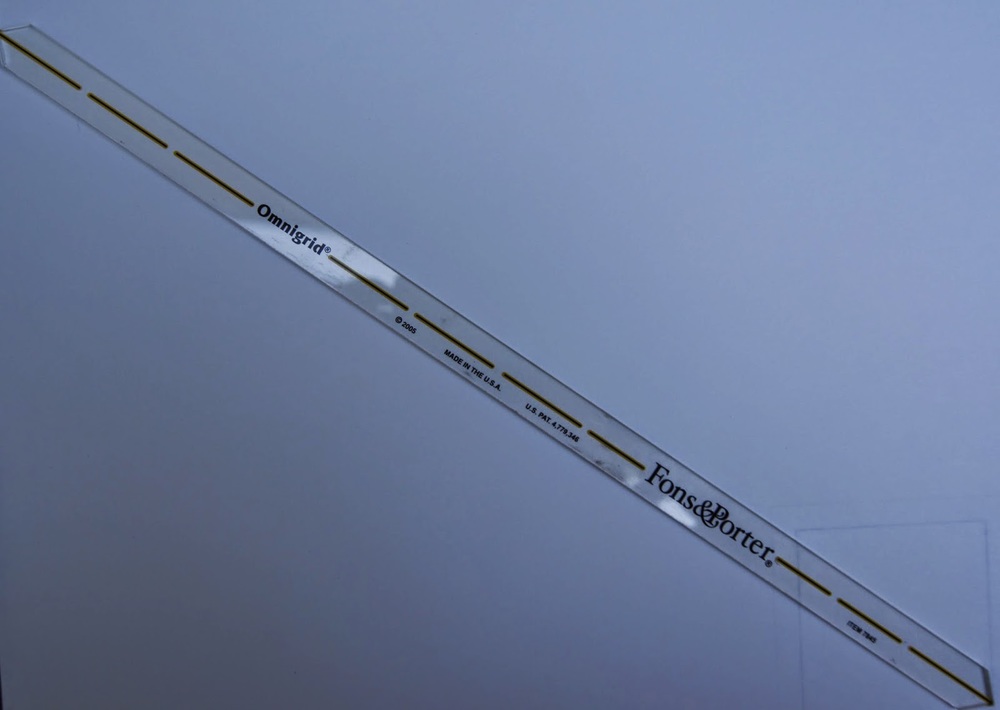
Omnigrid rulers and Fons & Porter have teamed up to create a great tool to mark the 1/4 seam line on HST blocks.  It saves a step by eliminating the need to draw the center diagonal line through the middle of each block.


Omigrid Fons & Porter 1/4 inch marking ruler


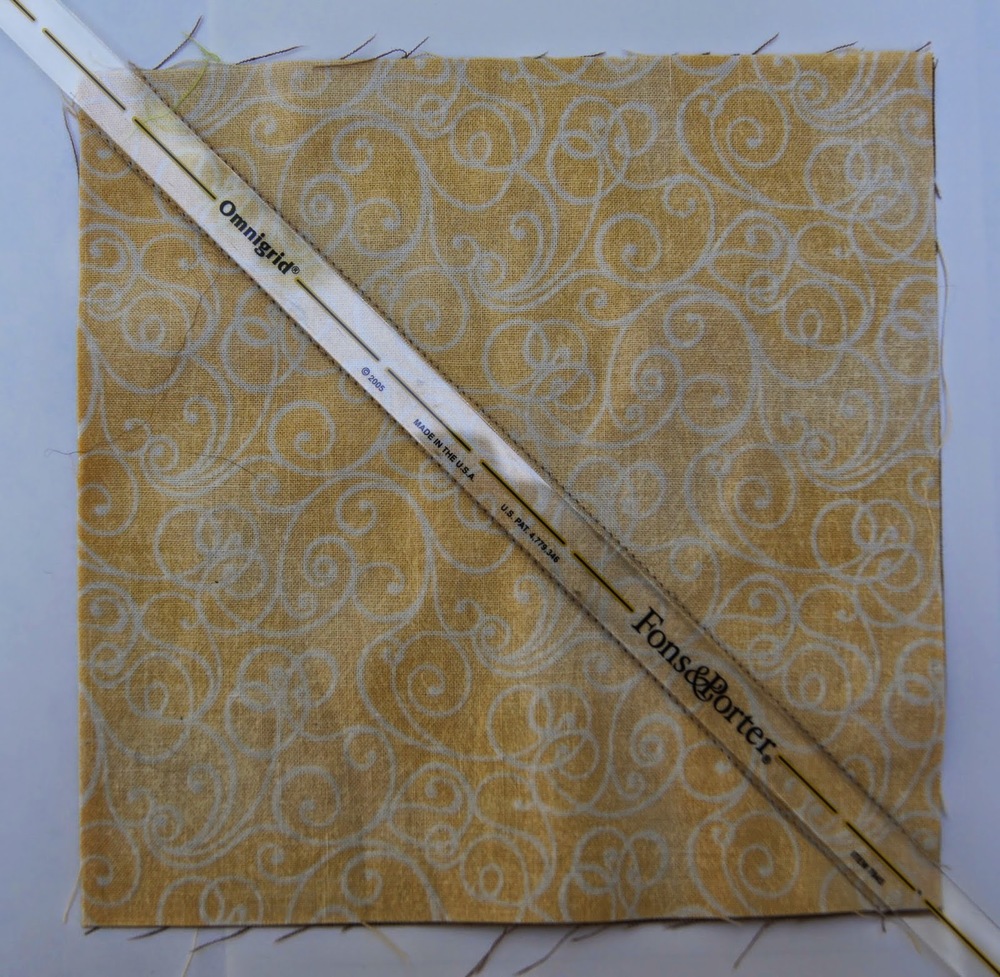
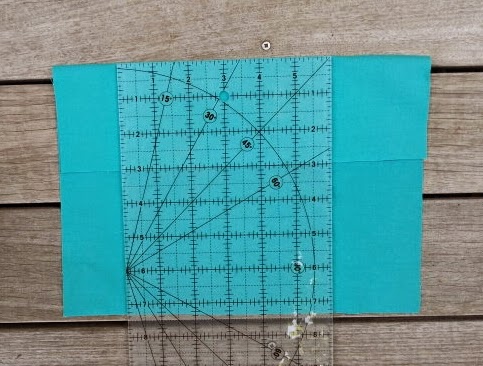
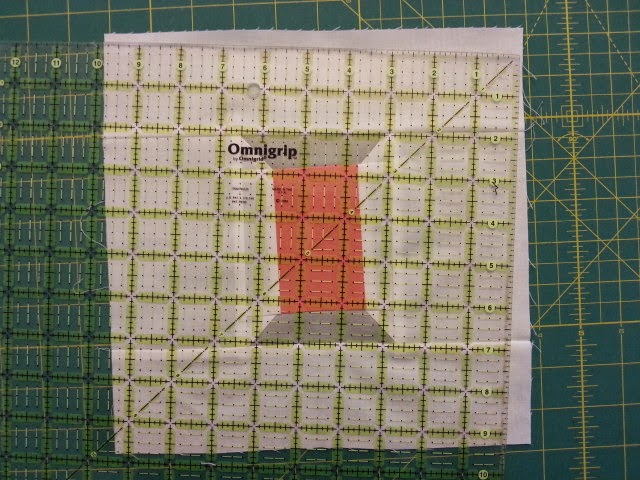
In the left photo the ruler is positioned on block for drawing the 1/4 inch sewing lines.  (The photo was taken after the fact. If you look closely you'll note the lines have already been sewn).   The pointed ends of the ruler can be lined up with the corner of the block. I just make sure the middle line on the ruler intersects each of the corners.

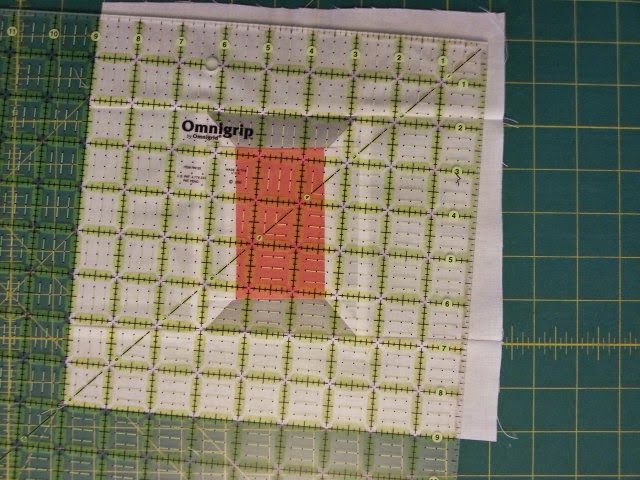
On the right is a block with both lines sewn, ready to be cut apart.  The block is cut down the middle, right between the sewing lines. Once opened, you'll have two completed HST blocks.
                            

The photo below shows the opened block ready to be trimmed square.  Note the 45 degree line on the ruler is lined up with the center seam of the block.


I used quite a few modern fabrics in these blocks.  Several of them cost over $10 a yard so I wanted to squeeze as much as possible out of the fat quarters I had purchased.  The fat quarters were 21 inches wide after I trimmed off the selvage so it worked out best if I cut the squares at  6 7/8 x 6 7/8 inches.

Traditionally HST blocks cut at 6 7/8 inches are trimmed to 6 inches square.
I found I was able to trim the blocks at 6 1/4 inches.  This creates a quirky 5 3/4 inch finished block.  Since I'm not working from a pattern, that is fine.  I'm delighted to be able to use every possible bit of these beautiful fabrics.


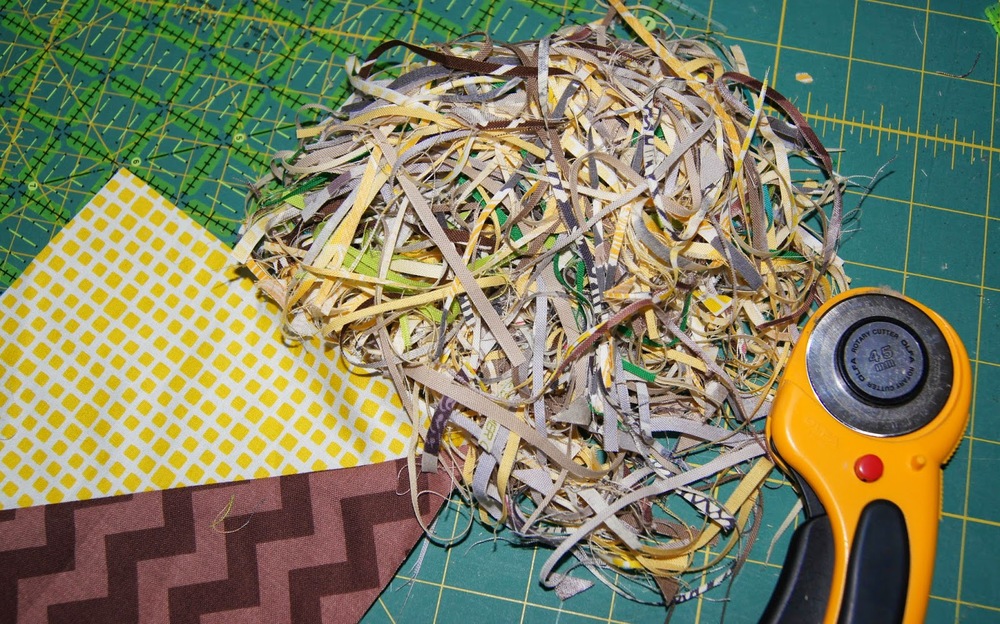
Here are the trimmings from the 90 HST blocks in this project.   The look like they might make some sort of a nice monster stuffed toy!  (Actually I save them and they go to a cotton recycling program).

I'm off to the Design Wall to see how these blocks look best together.  I'm thinking about adding a surprise block to the quilt.  We will see if that happens or not!


Fourth of July Fireworks over the Zakim Bridge Quilt Block

by Judy Tucker


The City of Boston is being proactive and has moved it's annual outdoor Fourth of July Concert and Fireworks at the Hatch Shell up day due to Hurricane Arthur which is coming up the Eastern Seaboard of the United States.  The celebration is going to be tonight, July 3rd, instead of tomorrow on the actual holiday.  So it seems appropriate to start the party for the Fourth here on the blog a day early too!

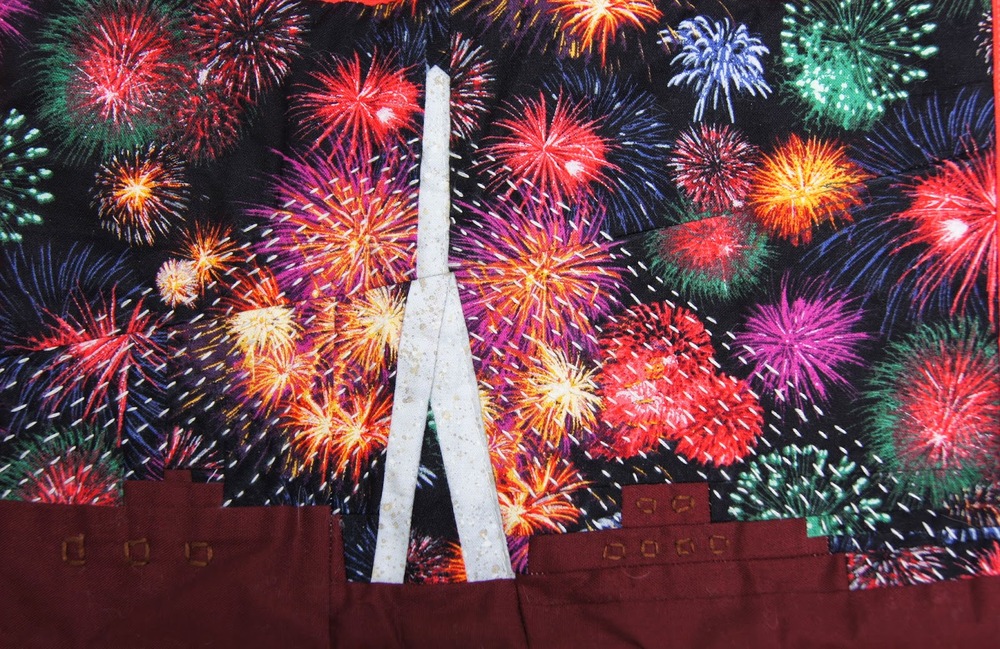
In honor of the Fourth of July Holiday, I want to share Amy Friend's  quilt block of the Zakim Bridge here in Boston.  She designed the pattern for the {Big} City Girl Quilt Along which she hosted with Aylin of Aylin-nilya.blogspot.com  on Flickr last summer.  Each of the blocks in this Quilt Along represented cities around the world.  Amy designed her block to represent Boston, Massachusetts.  Isn't it a beauty?

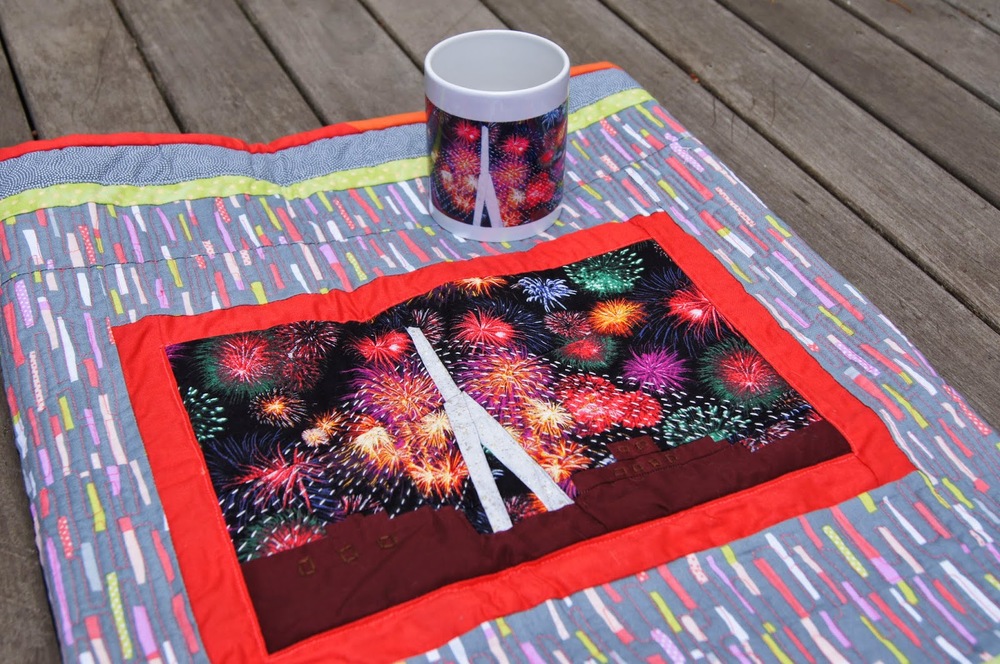
Boston's Zakim Bridge, design by Amy Friend, DuringQuietTime.com
I had fabric with the fireworks design in my stash.  When I was rummaging through my bins looking for fabric to make the block I knew it was the perfect choice.  I didn't think about how many hours it was going to take me (and how much un-sewing!) to get the fireworks to match up on this paper pieced pattern!
I wasn't as much of a perfectionist with my sewing as my Mom would have wished when I was a teenager. (Hurry up and get done already…looks OK to me)!   She would have been so proud if she could have seen this block!

I like the Zakim Bridge block so much that I had mugs made up with an on-line photography processing company.  It's a great way to enjoy your quilt blocks on a daily basis!


Here is my post about the completed {Big}CityGirls project from earlier this year.

Amy's pattern for this block is no longer available*. But she has a great collection of paper-pieced blocks  for sale at her DuringQuietTime shop on Etsy and on Craftsy.com.

*Addendum 7/3/2014: Amy commented to this post and said the pattern for the Zakim Bridge block IS still available.  It's free and you can find it at the link below:
DuringQuietTime Pattern Store at Craftsy.com.  Thanks for the correction Amy!

Both the {Big} City Girl hosts are busy with Quilt Alongs with their children this summer.

Amy and her eight year old daughter, Lily, are currently hosting a Little House on the Prairie Quilt Along on her DuringQuietTime blog.  They just posted the third block today so you can still easily catch up if you want to join the fun.

Aylin's 12 year old daughter is in the Tula Pink City Sampler: 100 Modern Blocks German Quilt Along.  Her Mom said she could use any of the fabrics in her stash!  Very generous!  The blocks Aylin's daughter has making are beautiful! Check them out on Aylin's blog.


Whether (or weather!) you are celebrating July 4th today or tomorrow I hope you all have a 
Happy Independence Day!  


Modern Hexagon Quilt Top

by Judy Tucker


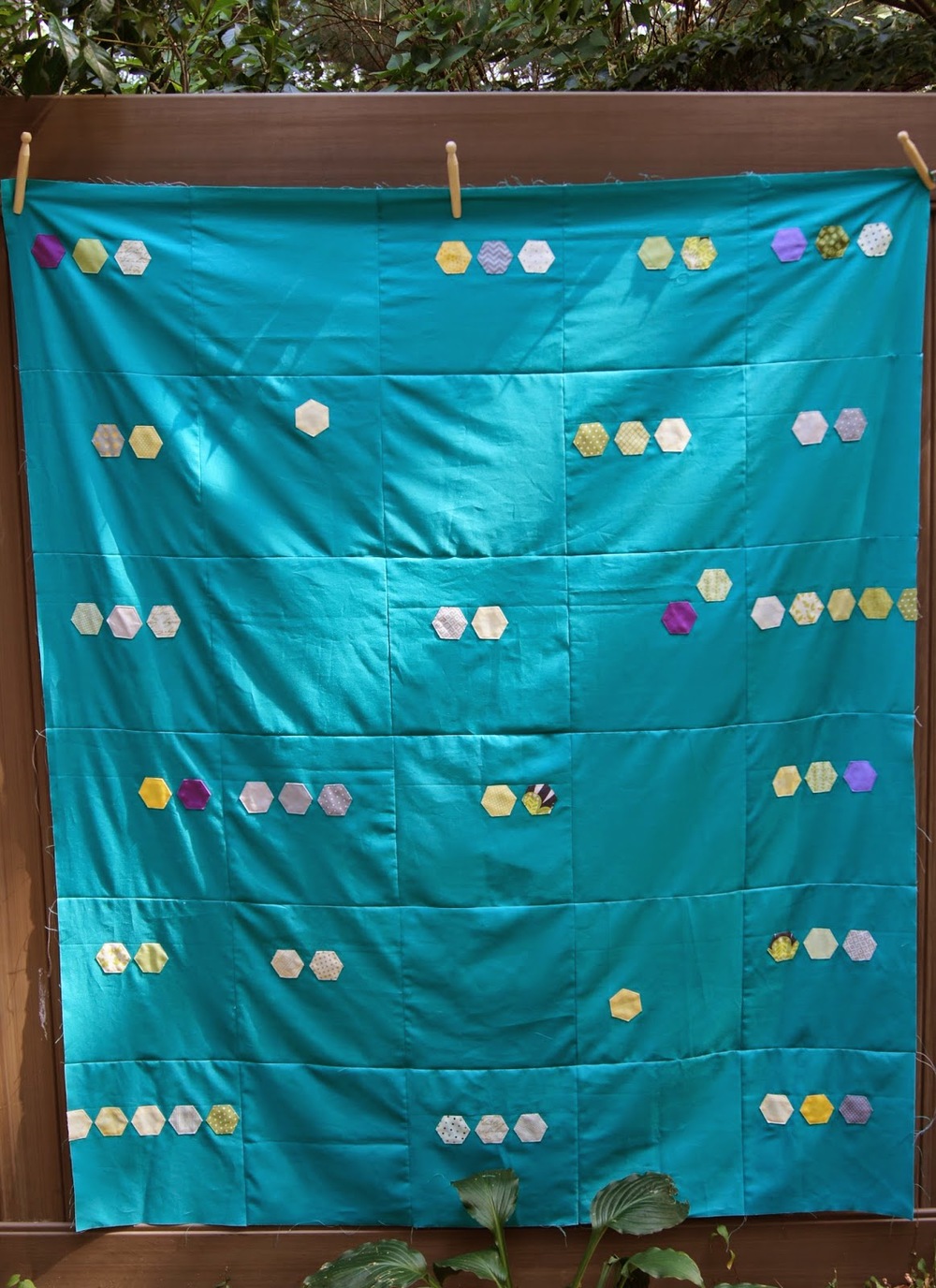
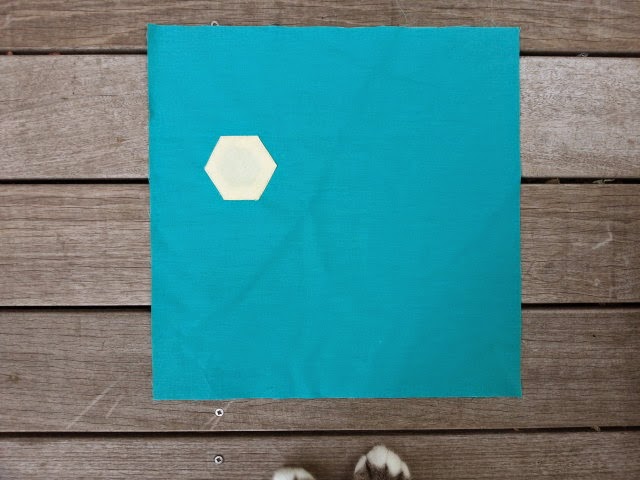
Here's my Modern hexagon Quilt top.  All of the hexagons are appliquéd onto the blocks with top-stitching.  Three of the hexagons have expressed their individuality!  Two are on point and the third jumped up out of line!

Modern Hexagon Quilt top

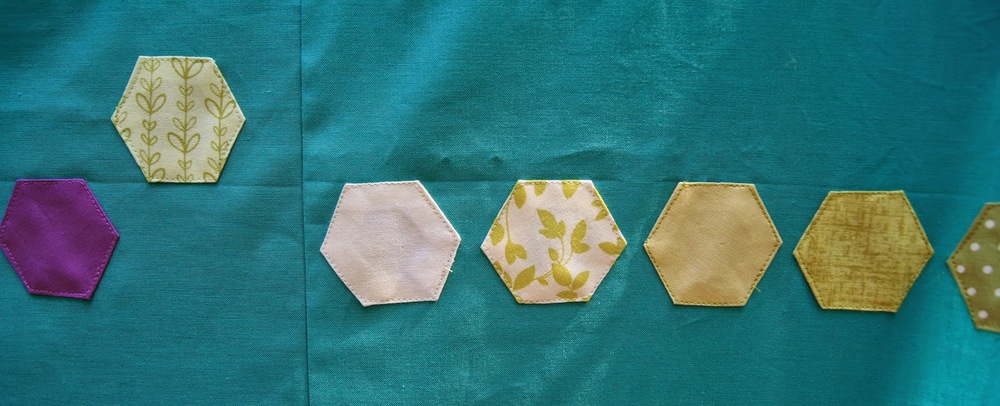
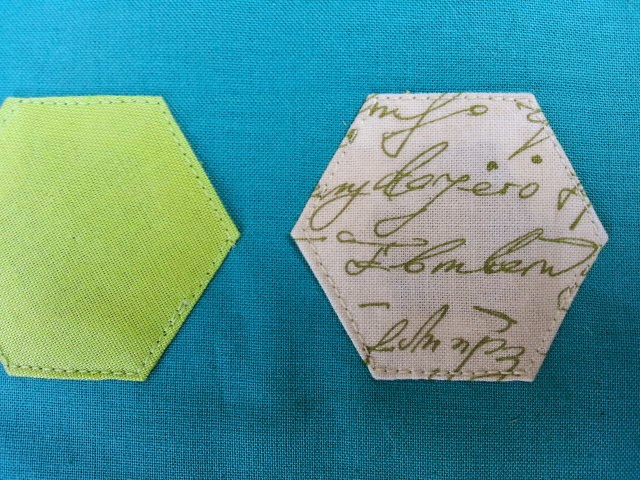
Here is a detail of the appliqué.


I plan to do close quilting, with the lines of stitching approximately 1/2 inch apart.  I want to see if I can capture a ripple effect with the quilting, having the lines crossing over each other like wavelets in a pond.

In fact, my working title for this quilt is "Skipping Stones in the Lily Pond".
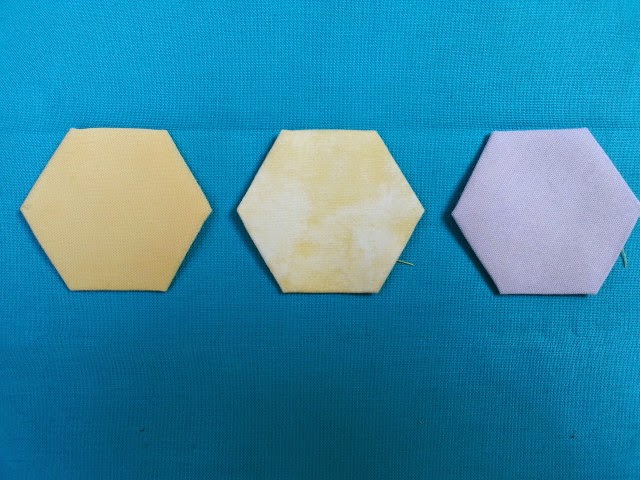
My starting points for the ripples are going to be the two light yellow hexagons which are set on point.
I left 3 negative space blocks around each of the blocks with the single on-point hexagon so that the ripple quilting will be clearly visible.  I'll see how it goes...but will have to wait for this July heat wave to break before I start quilting!

Working on the Blog and Modern Hexagon Quilt Blocks

by Judy Tucker


I'm trying some new layouts for my blog.  If you have been a regular reader, yes, it is still my blog!
And to new readers, the posts may look different tomorrow because I'm still trying new options.

My goal is to make it easier to leave comments.  I want to know what you are thinking about my posts.
So bear with me for a few days!

I really like this dynamic platform.  It has a great comment section but I am sorry that my new Instagram button won't load on it.  I want it all!

Modern Hexagon Blocks

I spent some time today working on my Modern Hexagon quilt.  I thought about appliquéing the hexagons onto the background by hand.  But Modern Quilting to me = machine sewing.  As long as it looks good, faster is better in my book!

1 inch hexagons ready to sew
I sewed 6 blocks today. I am pleased with how it is coming together.  My teal background blocks are 10.5 inch square.

To keep the hexagons in a straight row, I folded over the top edge of the block 3 inches and put in a finger press.

Background block turned down 3 inches to mark
the sewing line for the top of the hexagon block
Here are 3 blocks lined up and ready for sewing:


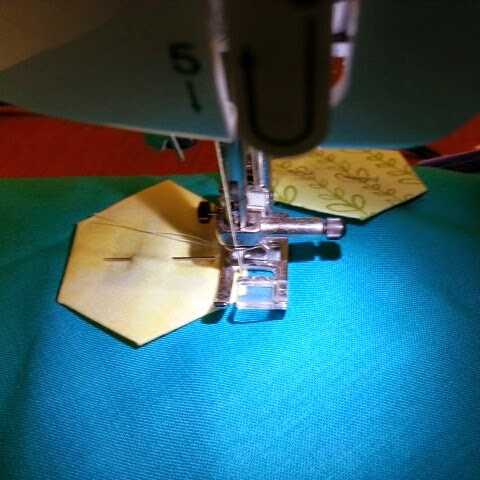
I am using a straight stitch at the very edge of the hexagon's margin.  I thought it might be hard to so that close to the edge of the block, but it wasn't a problem.

Sewing along the margin of the hexagon


One hexagon sewn onto the background.  Lot's more to go!
The first sewn onto a background block.
Chester, my cat, is doing quality control.
Can you see his toes?
Two blocks close up:
Detail of sewing on hexagon
This is a fun project!  Can't wait to get it on the design wall!

Social Media Workshop at J.P. Knit & Stitch

by Judy Tucker


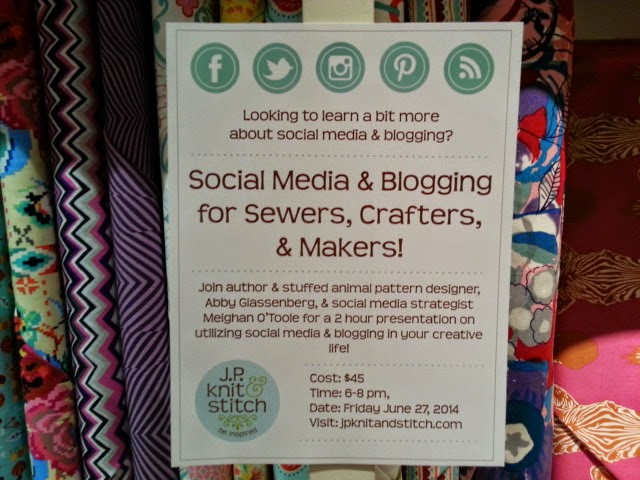
Last night I attended a workshop on Social Medial for Sewers, Crafters and Makers at J.P. Knit & Stitch in Jamaica Plain, MA, given by Meighan O'Toole who is a social media and digital strategy consultant meighanotoole.com/blog and Abby Glassenberg who sews and and designs patterns for stuffed toys and soft sculptures. She blogs at While She Naps and has an Etsy Shop.

I have to admit, that I have been a bit wary of social media.  Not so much about what social media is, but concerns that it will overtake my day and I won't get any designing or quilting done.  If I'm not being actively creative, my blog isn't going to thrive. The blog is my social media priority at the moment.

Meighan talked a lot about using social media to build a business that is financially successful.  Twitter is particularly useful when building a business.   Both women talked about how they have used social media to build a community of like-minded folks.
They also both are advocates of newsletters which they write on a regular basis.

Both Meighan and Abby talked about how important it is to respond to everyone who takes the time to comment on a post on your blog or other social media. It engages folks and helps to build your following.

Abby had some great tips and advice about use of social media in the midst of a busy life.  She has 3 young children.  She actually went through her day and told us where in the day she she fits in time to check a variety social media.  She is very organized and clearly can set limits for herself!

Here are some tips from the workshop that I plan to integrate into my quilting and blogging life.  These are from Abby's part of the workshop.

  1. Pick 2 social media platforms that are a good fit and commit to using them regularly.   
  2. Blog on a regular basis.  Plan to post on the same days each week... and do it!  Abby posts on Monday, Wednesday and Friday.
  3. Let folks know what's going on in your life that makes it possible to be creative.  Abby said she posts her income, expenses etc so folks can see what it costs to run a business based on sewing. Now that's transparency!
  4. Share things that other folks are doing that you have found helpful or appreciate.
  5. Share your skills.
Here are some thoughts about how I plan to incorporate Abby's tips into my use of social media:

  1.  Using 2 social media platforms: I came right home last night and signed up on Instagram.  Check out the new button on the right side bar!  Find me @sleepingdogquilts.  Quilting is such a visual activity that using a social media that is based on photographs makes so much sense.  
  2.  Not yet sure what blogging on a regular basis means for me.  I post several times a week, but I post when I have a project in progress which I want to share.  I do see the wisdom of posting on specific days--followers will know you are going to post and can look forward to the next post.  I know I'd like that as a reader.  I'm thinking about how to make the blog better too.
  3. Backstory.  I try to do that when I talk about the process designing quilts.  I'll have to give some thought to other possible things to share.
  4. Sharing.  Book reports!  Using Pinterest to post other folk's work would another way to do this. 
  5. Skills.  Writing tutorials is an option Abby suggested. I enjoy writing tutorials so will continue to do that.
I'm really glad I attended this workshop.  I got a lot of great ideas and I loved what the women had to say about building an on-line community which can truly be world-wide.

I also really appreciate the workshops that J.P. Knit & Stitch has offered.  This is the second one I've been to this year. The speakers have all been committed to their crafts, so open and thoughtful about what they are doing and so generous about creativity of other people in the sewing/quilting/crafting community.  This is brilliant booking!  Kudos to the store's owners!

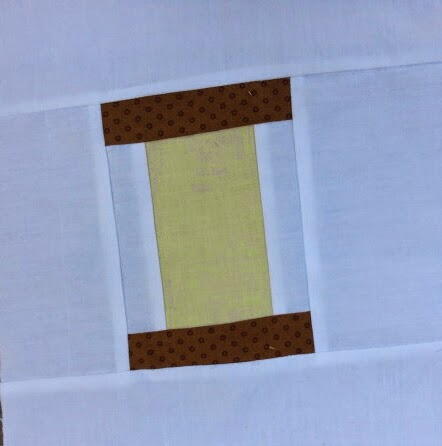
Jumbled Spools Quilt Pattern

by Judy Tucker


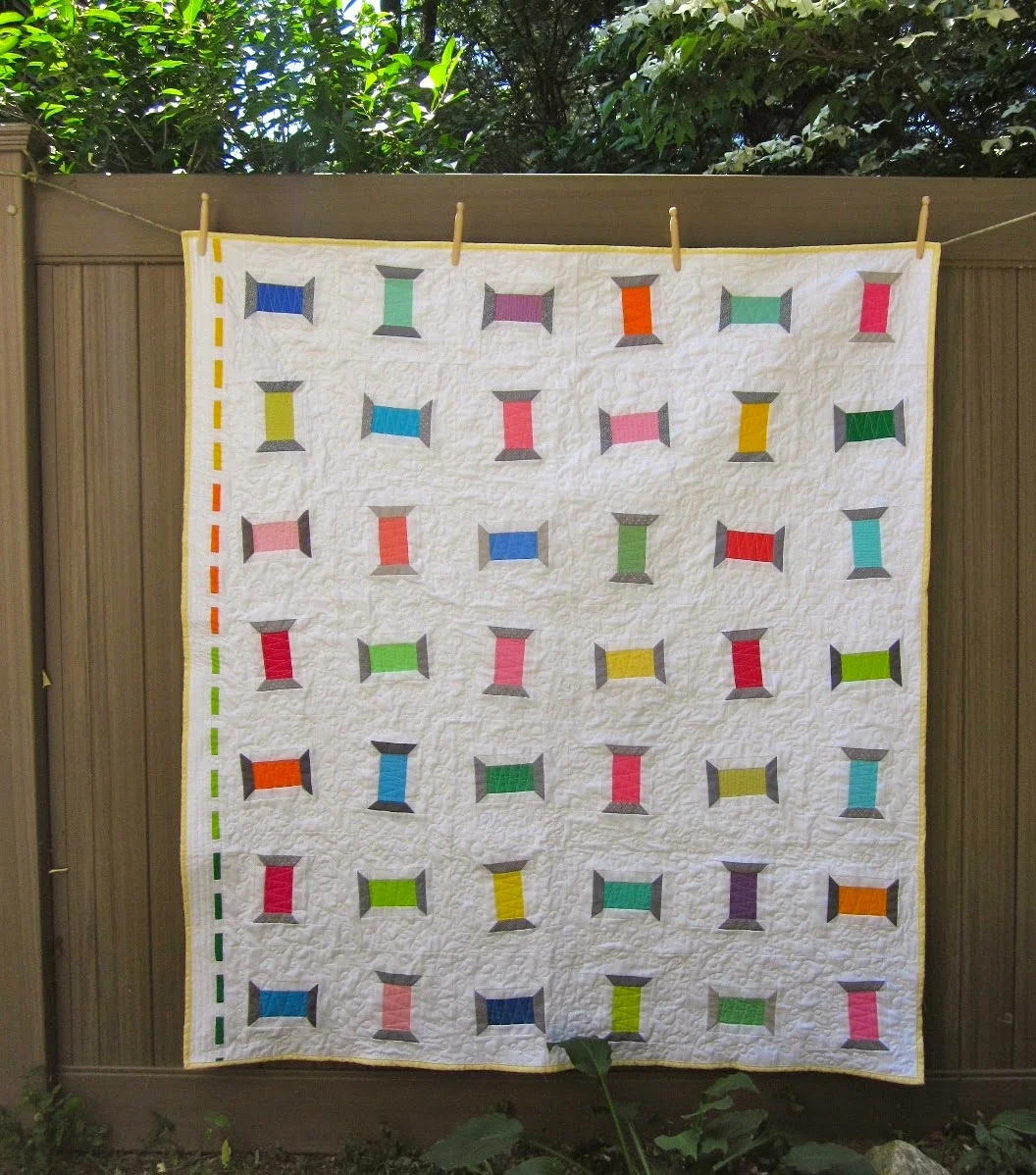
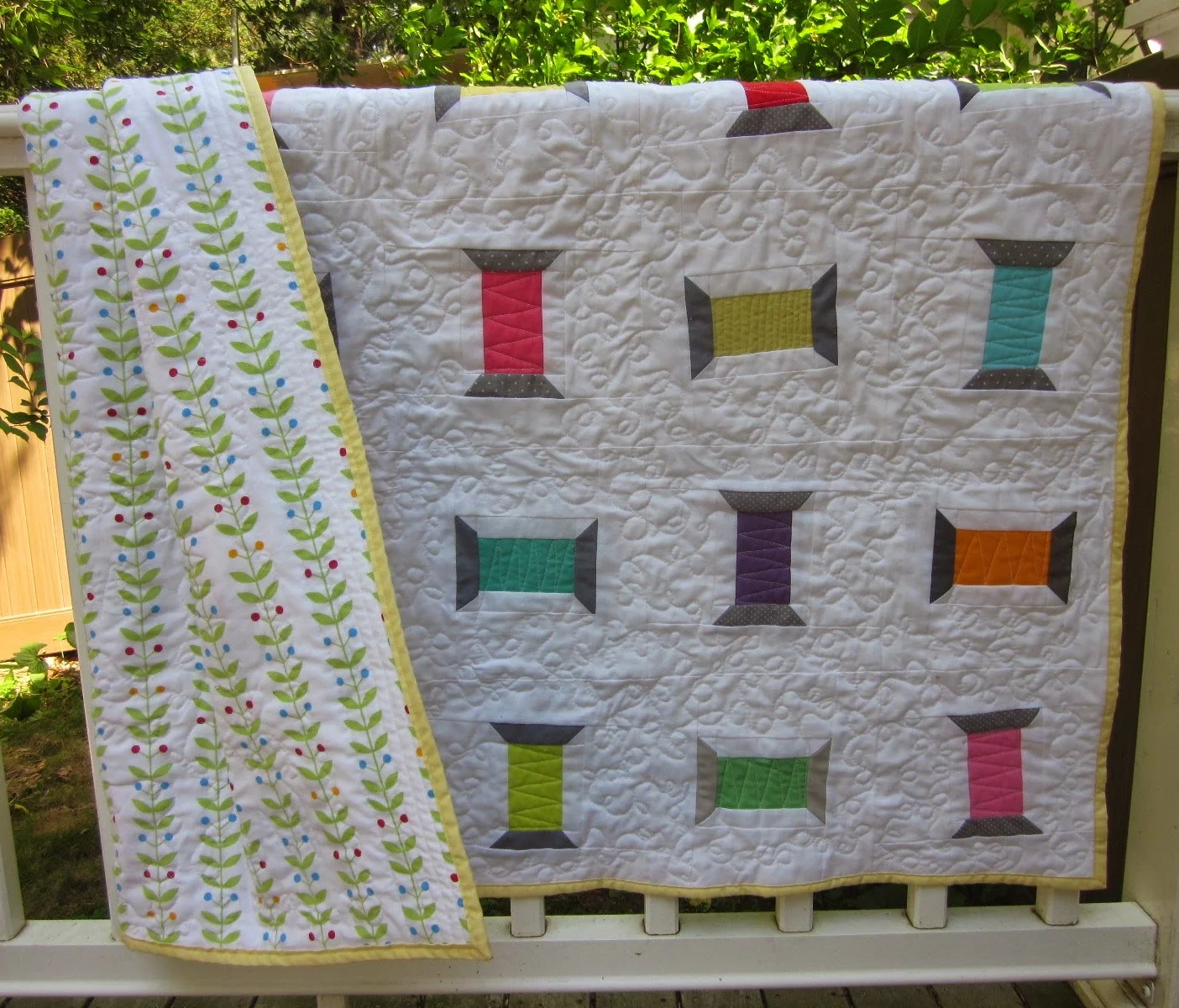
Jumbled Spools Quilt

   54 x 60 inches

Quilt Jumbled Spools 6-14 vs 2.jpg

Materials:

Quilt top:

4 yards of a solid color cotton fabric. I used Robert Kaufman’s Kona White.  This is a generous estimate of what you will need.  You’ll probably be fine if you only have 3.5 yards.

1 charm pack of varied colors (you will need 42  5 inch squares, if the pack has fewer than 42 charms, repeat one or more colors or add something from your stash), or 42  2.5 x 4” scraps from your stash

½ yard of fabric to make the tops and bottoms of the spools (I used a variety of grey

fabrics)

1/8 yard of extra fabric(s) to make the border “stitching”

Backing:

 3 1/3 yards of fabric using a horizontal seam OR 3 ¾ yards using a vertical seam.  If you need the backing to extend more than 4” beyond your quilt top, add another ¼ yard.

Binding:

1/2 yard of coordinating or contrasting fabric

Batting:

60 x 68 inch piece of batting

Cutting instructions for rotary cut pieces:

Note:

 WOF means “width of fabric.” Quilting cotton usually is 40-42 inches wide.

Colored body of spools:  Cut 42 pieces of you colored fabrics:  2.5 x 4 inch rectangles

Background of block adjacent to colored body of spool

1. Cut 9 strips of your background fabric:  WOF x 1.25 inches wide

2.  Cut these strips into 84:  1.25 x 4 inch rectangles

Tops and bottoms of spools:

Cut 9 strips of you spool fabric:  WOF x 1.5 inches wide.

Cut these strips into 84 pieces: 1.5 x 4 inch rectangles

To make the angles on the tops and bottoms of the spools:

Cut 7 strips of background fabric:  WOF x 1.5 inches wide.

Cut these strips into 168 squares: 1.5 x 1.5 inch squares

Background of each block:

1.  Cut 12 strips of background fabric:  WOF x 3.5 inches wide

Then cut these strips into 84 pieces:  3.5 x 5.5 inch rectangles

2.  Cut 21 strips  background fabric: WOF x 2.75 inches wide

Then cut these strips into 84 pieces:  2.75 x 10 inch rectangles

For “Stitching border”

1.

Cut 21 pieces (one color or several):  1 x 2.5 inch rectangles

2.

Cut 20 pieces of  background fabric:  1 x 1.5 inches

Outer background border:  

Cut this border after your quilt top is done

Cut one strip of background fabric:  2.5 x 61 inches (or the length of your finished top)

Sewing Instructions for Rotary Cutting piecing:

Make the tops and bottoms of your spools first.  

1.

Draw a line diagonally across the WRONG side of each of the 168 1.5 x 1.5 inch squares of your background fabric.

2.

Match right side of the white square with one short edge of the right side of a 1.5 x 4 inch rectangle which will be the top of the spool.  

3.

Move your needle  position on your sewing machine one to two to notches to the RIGHT on your machine. You want to be sewing just on the INSIDE of the line you drew on the wrong side of the white square.  Sew the square to the rectangle.

4.

Fold the square over the diagonal line you just stitched.  The edges of the folded square should match up to the corner of the rectangle.

5.

Press, trim the excess under the triangle you just created to ¼ inch.

6.

Repeat on the other side of the rectangle.  

7.

Continue until you have made all 84 spools tops and bottoms.

Assembling the Spools:

1.

Sew a 1.25 x 4 inch rectangle of background fabric to the side of each 2.5 x 4 inch colored spool body.  Press.

2.

Now attach a top and bottom piece to each end of the spool.  Press toward the spool ends.

Add the background to the spool blocks

1.

Sew a 3.5 x 5.5 inch background rectangle to each side of the spool from the last step. Press.

2.

Sew a 2.75 x 10 inch background rectangle to the top and bottom of the spool block.  Press.

3.

You will now have an UNFINISHED block 10 inches square

Quilt Jumbled Spool blocks before cutting.jpg

            Spool Blocks before trimming to skew them

Creating the wonky block

  1. Trim down the blocks to an UNFINISHED 9.0 inches square.  Make the first cut at the top of the block.  The cut should only be a slight angle. MAKE CERTAIN THAT you have at least 9.0 inches on all 4 sides of the block.   I recommend that you use a large square ruler to trim these blocks. (See illustrations of the trimming).

Quilt Jumbled Spools Block cut 1.jpg

First cuts to skew the block. Note that the ruler is tilted to be higher on the LEFT side than on the right side of the block.  Trim off the fabric on the top and right side that extends beyond the ruler.

Now trim the block square to an 9.0 inch square.

This measurement is the UNFINISHED block size.

Quilt Jumbled Block cut 2.jpg

 Squaring up the block to 9 inches.  Note that the ruler is squared to the first two

cuts you made.  Trim off the fabric extending beyond the ruler.  

2. On the next block tilt your ruler the OPPOSITE direction so your spools don’t all tilt in the same direction.   Then trim the block to 9 inch square.

Quilt Jumbled Spools Cut 3.jpg

Note that in the first cut on this block, the ruler is tilted to be higher on the RIGHT side.

Continue trimming the blocks, making sure to cut the blocks so that HALF are skewed toward the left and half toward the right side.

Quilt Jumbles Spools skewed blocks.jpg

Two blocks trimmed to tilt in opposite directions.

Making the Border of “Stitches”

Sew the  1 x 2.5 inch colored rectangles short sides end to end, alternating each colored block with one 1 x 1.5 inch rectangle of the background fabric. This will make a long narrow strip a bit longer than 60 inches.

Set this aside for now.

Assemble the Quilt top

  1. Lay out your blocks on a design wall with one block having the spool upright and the block next to with the spool horizontal.  Make sure that each new row starts with a spool positioned the opposite way from the first block in the row above it.

2. When you are happy with the  color distribution and layout of your quilt, sew the blocks together in horizontal rows.

3. Then sew the horizontal rows together.

4. Attach the border of “stitches” made in the last step to the left side of the quilt.  Find the center of this line of “stitches”. Position the center point of the strip of “stitches” at the center point on the left side of your quilt.  The top and bottom stitch will be cut off as this strip is a bit longer than the finished quilt top.

5. Finally add the outer border 2.5 inch x length of your quilt to the outside left edge of your quilt

Quilt backing:

Cut the fabric you purchased for the backing in half.   Sew the 2 halves together either horizontally or vertically, depending on the amount of fabric you purchased and/or the design of the backing fabric.

The finished backing should extend 4 inches beyond the edges of the quilt top if you plan to quilt it on a sewing machine.  It will need to extend 6+ inches if you plan to quilt it with a long-arm machine.

Quilting:

If you are quilting on your sewing machine, assemble your sandwich, top, batting and backing.  Baste the layers with pins or thread.

           Quilt as desired.

If the quilt is to be quilted by a long-arm machine, follow the directions given to you by the long-arm quilter if you are sending it out.  

For those of you doing your own long-arm quilting you know what to do!  Have fun quilting!!

Binding:

Make your binding per your favorite method.  Attach the binding to your quilt.

Label:

Make a label for your handiwork!  

Congratulations!  Enjoy your Jumbled Spools Quilt!

Design and pattern created by Judith Tucker, 2014.  SleepingDogQuilts.blogspot.com

This pattern is for individual use only. You may sell your finished quilt(s) if you wish.  This pattern is not for commercial  or large volume use.


Project Updates

by Judy Tucker


I've been spending a lot of time in the past couple weeks finishing up projects.   And I've received several reports back on some quilts and sewing projects that have gone off to friends and new places.

First off,  the 40 inch square baby quilt made from Tula Pink's Fox Field fabric is done.  I put the binding on it this afternoon.  I like how the binding echoes the inner border.

40 inch square baby quilt
Here's a photo showing the back fabric.  I used the same fabric on the queen size Tula Pink Fox Tails quilt I made and have posted about several times in the past.  The backing came from the discount fabric store.  It's not Tula Pink but I think it is in character!


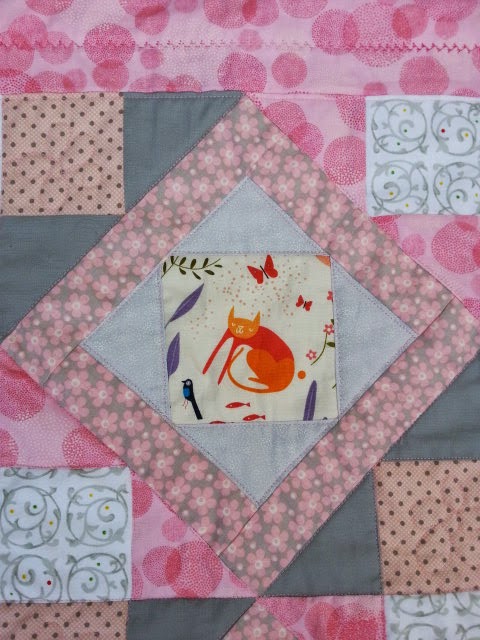
My niece loves the pink and grey cat quilt I made for the baby who is due any day. She tells me the quilt is on the rocker so now all they need is the baby!


Detail of the pink and grey cat baby quilt

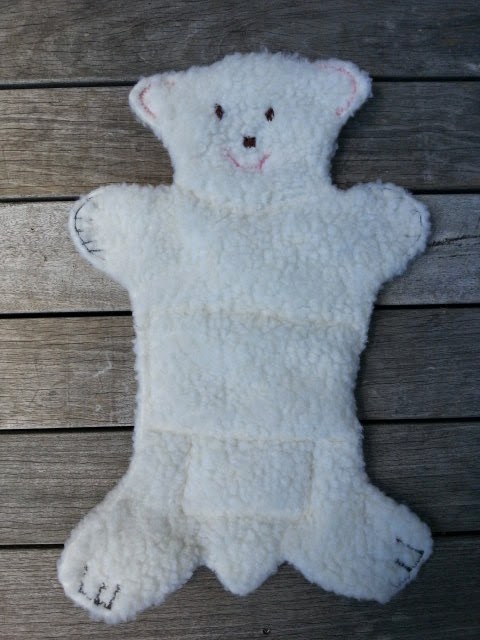
I also heard that Zoe, the Golden-doodle, loves her Flat Bear.  The bear is already missing a chunk but I'll take that as a sign that the dog loves her new toy!


And speaking of dogs, a member of New England English Springer Spaniel Rescue  NEESSR, Inc. is thinking about using my Dog Training Apron pattern to make some to sell at the English Springer Spaniel Agility Trials in the fall.  They are a great group.  I've adopted all my Springers from their Rescue.

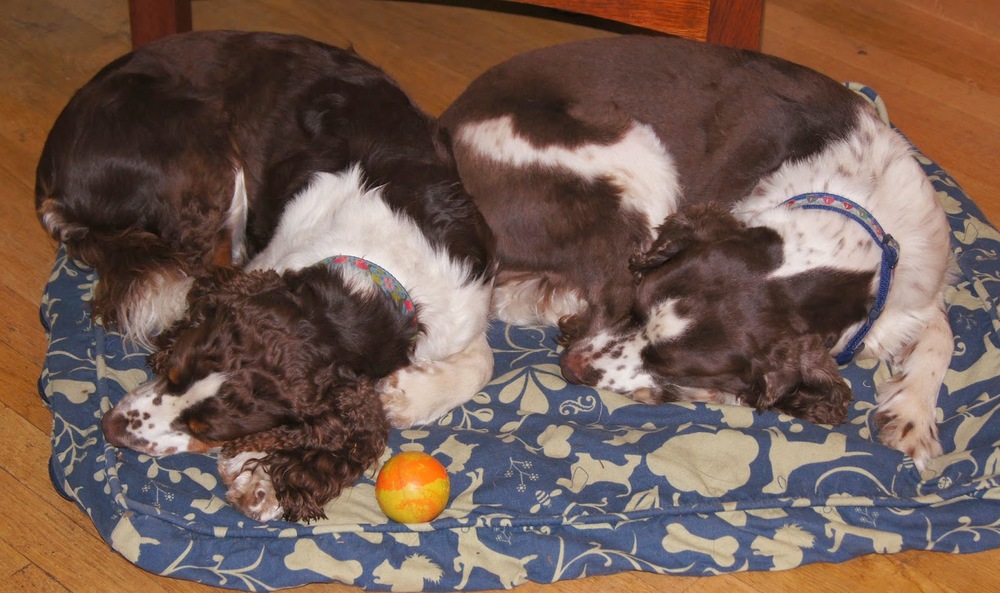
Taffy and Tipper--The Sleeping Dogs!

I finished the Jumbled Spool Quilt today too.  I still need to test my foundation pattern and write up up the pattern instructions.  I hope to get that all posted later this week.

Number of quilt tops still sitting in the UFO pile:  Two.  The batting is cut, the backs are made.  I just need to get them sandwiched.  Both are queen size quilts.  That might just have something to do with why they haven't gotten quilted yet!   One of these days…but maybe not until the Fall when the cool weather returns.

Apron for Dog Training: Pattern

by Judy Tucker


Make your own dog training apron with pockets for treats, clicker or other equipment, bags and a hidden pocket for your cell phone.

The finished size is 18 inches long, 8 inches wide.
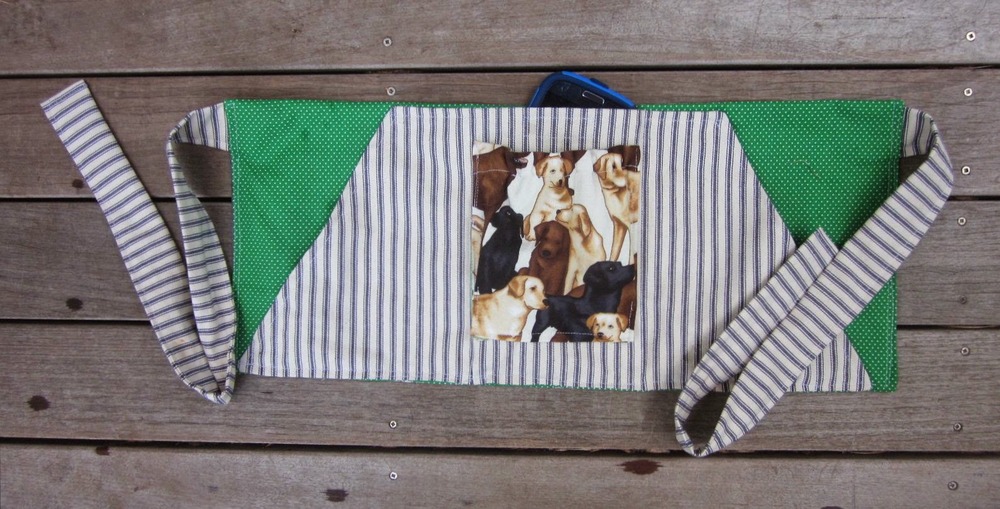


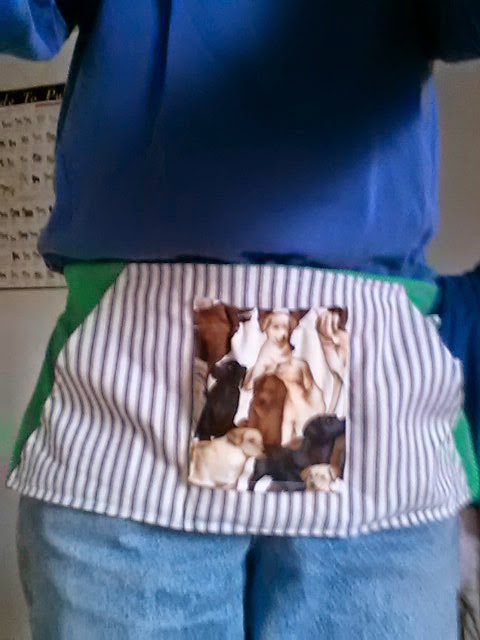
Dog Training Apron with hidden cell phone pocket


(Photos were taken from 2 aprons I made--one blue ticking with green polka dots and the other grey home dec fabric with grey quilting fabric. I've used the photos interchangeably).

Supply list:
1/3 yard of mid-weight home dec material or bottom weight fabric
1/4 yard of quilting weight cotton
1 fat quarter or scraps to make the small patch pocket
1.5 inches of sew-on hook and loop closure
1/4 inch elastic, 8 inches long

Cutting instructions:
Body of apron:
   From mid-weight fabric:
Cut 2 rectangles, 8.5 inches wide x 19 inches long
   From quilting cotton:
Cut 2 rectangles, 8.5 inches wide x 19 inches long

Take one of the mid-weight rectangles and one of the quilting cotton rectangles.   Cut both ends of each of the rectangles on a diagonal approximately somewhere between a 60 and 45 degree angle. You can get this slant by placing your ruler at the 2 inch mark at the top edge of the rectangle and line up the edge of the ruler with the bottom corner.  I recommend that you cut both pieces, wrong sides together, at the same time so that the angles are identical on each piece.
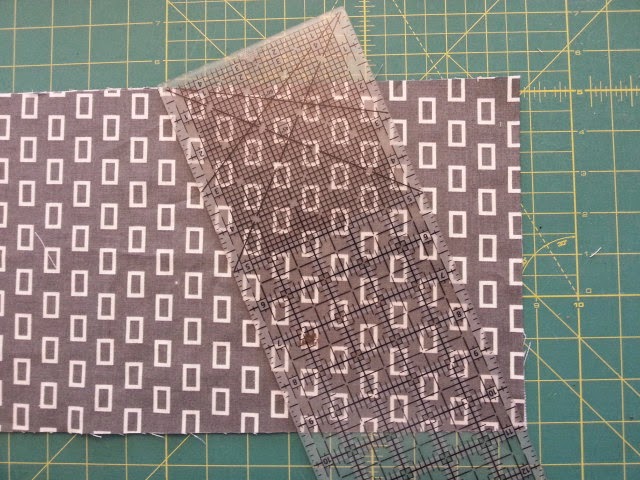
Angle for cutting slant on large front pocket

Ties:
   From mid-weight fabric:
Cut 2 rectangles of mid-weight fabric,  5 inches wide x 21 inches

Small front pocket:
   From Fat quarter or scraps:
Cut 2 squares, 6.5 inch x 6.5 inches


Here are all your pieces cut, ready for sewing:
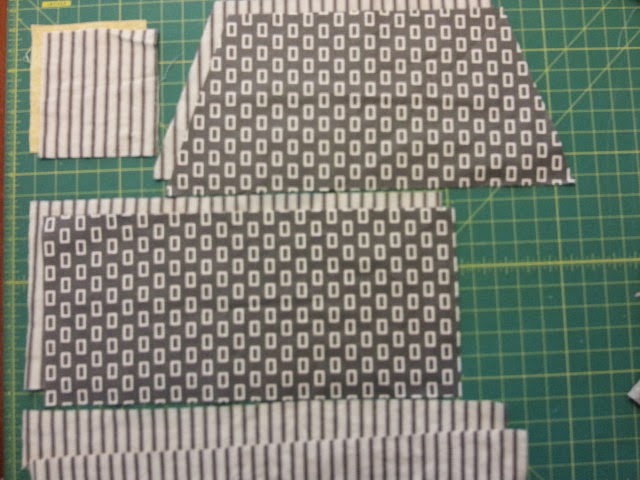
Pattern pieces for the apron all cut out


Directions:

1.  Place right sides together  of the two 8.5 x 19 inch rectangles.  One will be of mid-weight fabric and the other quilting weight fabric.
     Sew top and bottom of the rectangle, creating a tube.
     Turn fabric right side out. Press.
     Turn under and press about 1/4 inch of the raw edges of the sides of the tubes.
     Sew these two seams closed STARTING 2 inches below the top edge of the panel to leave an opening for the ties which will be inserted later.
     Set aside for now.
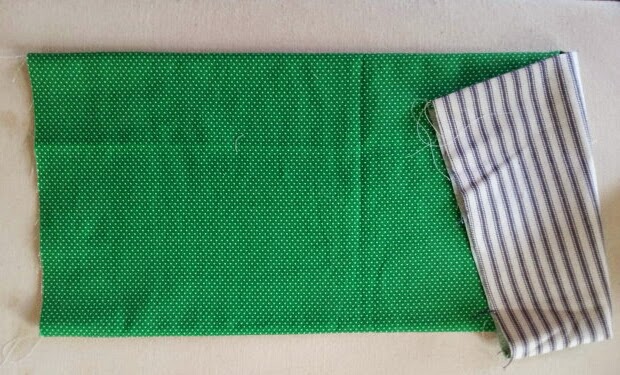
Tube that will form the back panel of the apron.


2.  Place the right sides together of the 2 trapezoid pieces of mid-weight and quilting weight fabric which will make the large front pocket.
     Sew around all 4 sides, leaving open 2 inches on the bottom (wider) edge.
     Turn right side out.
     Press.
     Sew closed the opening on the bottom edge by sewing about 1/8 inch from the edge of the pocket.
     Top stitch both the diagonal sides about 1/4 inch from edge.
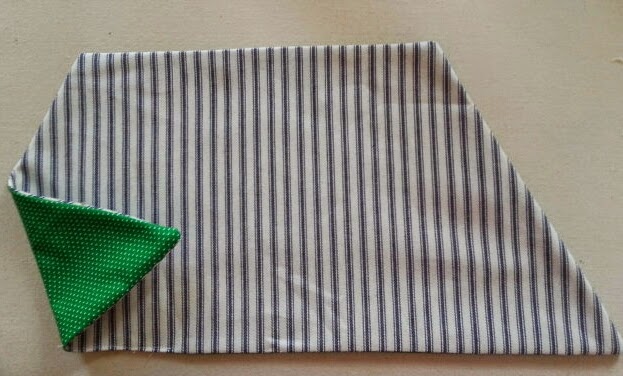
Large front pocket ready to be sewn to the back apron panel


3.  Sew the soft side of the hook and loop closure at the midline of the back side of your large front pocket, about 1/2 inch below the top edge.
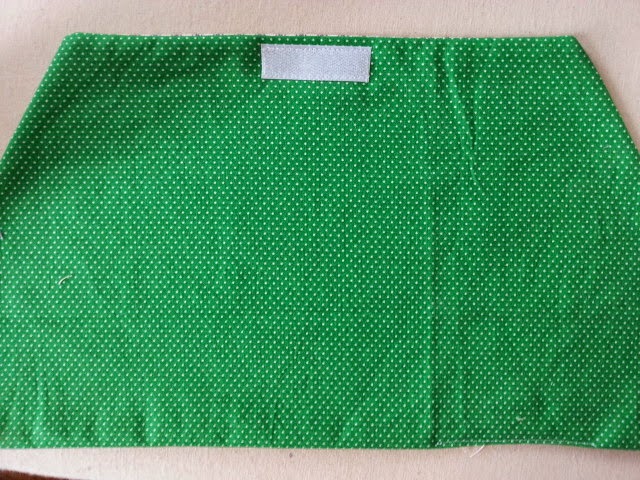
Soft loop closure sewn to back side of large front pocket

 
      Sew the stiff loop side of the hook and loop closure at the midline of the front side of back panel of the apron, about 1/2 inch below the top edge.  Make sure this strip will line up with the strip on the large front pocket.


4.  Place right sides together of the two 6.5 x 6.5 inch cotton squares.  Sew top edges together.
     On one side, start sewing 1.5 inches BELOW the top seam and that side, the bottom edges and the opposite side but STOP 1/2 inch from the top edge.
     Turn right side out.
     Press.
     Now sew a straight line 1/2 inch below the top edge of the small front pocket. This will make a tube with an opening on both sides.
     Run the 1/4 inch elastic through the tube, leaving 1 inch out of each side of the pocket.  Sew one side of the tube closed 1/8 inch from the edge of the pocket, leaving 1 inch of the elastic hanging out.
     Now gently pull the other end of the elastic so that approximately 1.5 inches of the elastic extend beyond the margin of the pocket.  There should be gentle gathering of the top edge of the pocket.
Sew closed the other end of the tube 1/4 inch from the margin of the pocket, securing the elastic at the same time.
    Pull the exposed pieces of elastic taut and cut right at the edge of the pocket. The ends of the elastic should disappear into the 1/4 inch seam.

5.  Sew the small front pocket onto the large front pocket, using a 1/4 inch seam on the 2 sides and bottom of the pocket.  The small pocket should be placed centrally, about 1.5 inches below the top edge of the large pocket.


6.  Sew the large front pocket to the back panel, using 1/4 inch top stitching.
     Place the large front pocket on top of the back apron panel.  The pocket will probably be about 1/4 inch narrower at the bottom than the back panel.  That's fine.  Pin in place.
     Now sew across the top edge of the large front pocket, sewing through all the layers, until you are parallel to the small pocket. STOP and backstitch a few stitches.  Restart sewing across the top on the other side of of the front pocket.  This will be the opening for the cell phone pocket.
     Then sew down the bottom of the large front pocket. Start the stitching on the diagonal,  2.5 inches from the left lower corner of the large pocket. sew down the 2.5 inches of the diagonal, sew across the bottom of the pocket and then sew up 2.5 inches of the opposite diagonal on the right side.
This will create a pocket on both sides of the apron. Sewing down the bottom 2.5 inches of the slant gives the pocket a corner to keep your things inside the pocket!

7.   Now sew 2 straight lines from the top edge of the large pocket to the bottom edge through all the layers of the apron, starting at the point where you stopped sewing in the first part of step 6. The sewing line should be at least 1/4 inch away from the sides to the small pocket. Make sure to check that your phone will have enough room in the pocket.  You can adjust these vertical sewing lines as needed.
This step creates your "hidden" cell phone pocket.  The hook and loop closures close this pocket so your phone won't fall out if you lean over.

8.  For the ties, fold the 5" x 21" rectangles in half wrong sides together and press.  Open.  Now fold BOTH  edges of the long sides of the rectangle, wrong sides together, meeting the raw edges at the center line you just pressed.
Press again.
Fold the tie in half again along the length of the tie. This will give you a sturdy 4 layer tie.
Sew the edges of the tie closed on the 3 open sides.

9.   Insert a tie in the opening of the back panel on one side---put a good inch inside the back panel.  Now sew it in place, at the edge of the back panel of the apron, closing the opening at the side time.  Sew back and forth several times. Then sew again 1/4" away from the first seam to securely attach your tie.
Repeat for the other tie.


That's it!
Enjoy training your dog(s)!


Copyright--Judith Tucker 2014.  This tutorial is for home use only.  You may make dog training aprons for yourself and may make and sell them at craft fairs or other similar small venues.  Your may NOT use this pattern commercially without permission.

Please have your friends visit the blog to print their own copy of this tutorial if they wish to make the apron.  Thanks!


Rabbits in the Garden Quilt: Using up the Tula Pink Fox Field 2.5 inch strips

by Judy Tucker


I had a significant amount of fabric left over after I completed my Tula Pink's Craftsy Mystery Quilt to make 2 more quilts. I've already blogged about the first of those quilts:  Fox Field Reprise Baby Quilt.  I had a bit of fabric left for one more quilt.

On my way home from dropping by dogs a the training center, I stopped in at J.P. Knit & Stitch, a great little knitting and sewing store in Jamaica Plain.  I had the 16 patch block (see above) with me and was looking for a fabric to go with it.  Genevieve, the shop's owner, and I looked a several options but nothing caught my eye.  Then she went off and came back with a bolt of sea green voile which she had just received and wasn't yet on the shelf.  It was perfect!  (I just love it when that happens)!  We both agreed that a solid bone grey solid cotton quilting fabric she had would be perfect on the back of the quilt.

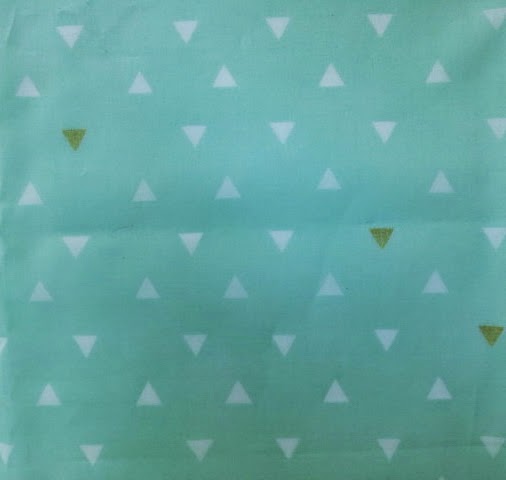
Arizona Triangle Tokens by April Rhodes for Art Gallery Fabrics
Fabric is sea foam green with white and gold triangles

I had a design for a very modern quilt in my mind, but wasn't sure how I was going to handle the all the negative space.  

Tula Pink's Fox Field Fabric line has rabbits with large polka dots and then a collection of complex designs with hidden rabbits, foxes, horses and birds.  There are parts of horses in the 16 patch block but no rabbits anywhere.  It was the rabbits which drew me to this fabric line so I knew I had to get them into the quilting somehow.

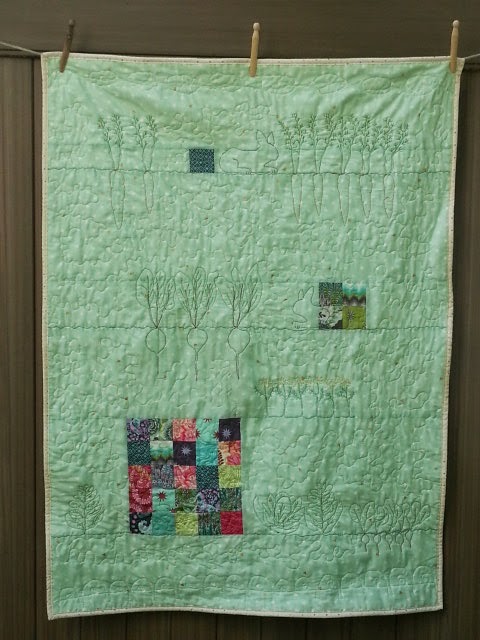
Because this is a great size for a baby quilt I decided to hide the rabbit.  It would be visible on the back of the quilt but you would have to look hard to see it on the front side.  The obvious place to hide the rabbit was in the 16 patch block.  
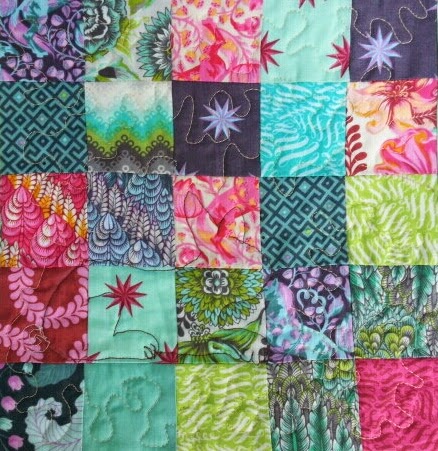
The rabbit is lower middle on the left
You can clearly see his back foot in the sea foam block with the star

But 3 rabbits are more fun and 1, so I partially hid a second rabbit in the 4 patch block and put the 3rd rabbit in front of the 2.5 inch single block.  


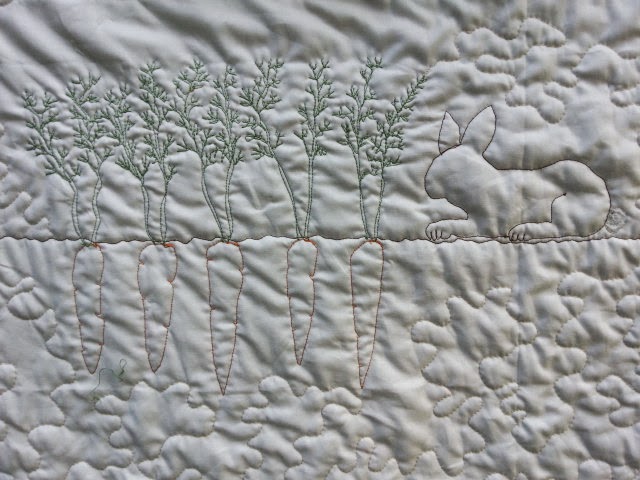
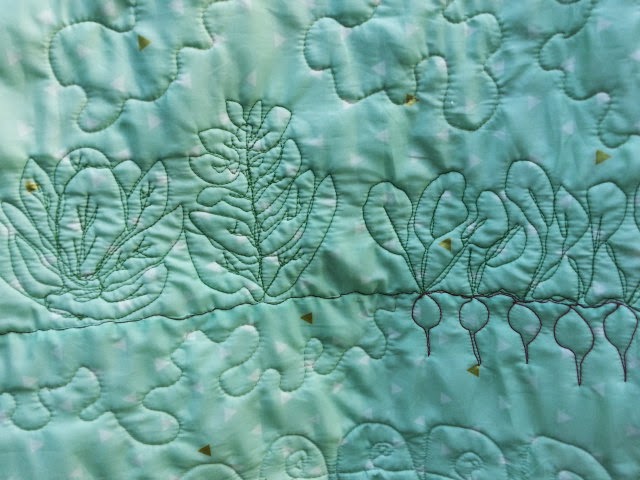
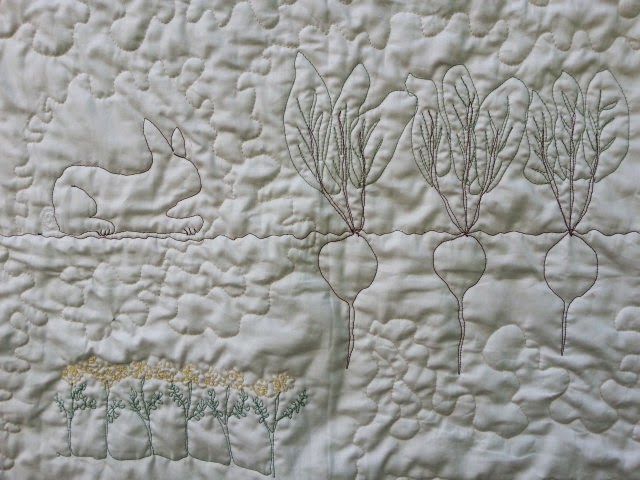
Where would 3 rabbits be?   In the vegetable garden!   With a bit of free motion quilting a garden appeared.  I loved showing the vegetables that the rabbit can see and  then what is growing under ground that he can't see.  That just nicely seemed to mirror the idea of the rabbits hidden in the blocks.

Back side of the quilt--rabbit contemplating the carrots

Front of quilt with lettuces, radishes 
Back of the quilt--Rabbit looking a the beets with marigolds in the lower right corner
This was so much fun to make.  It was the first time I had quilted with a voile fabric.  It soft, thin and a bit slippery.  It has a lovely hand and the quilt is soft and light.  However, it was definitely more challenging to sew than regular quilting cotton.  Voile is not something I would use for quilting on a regular basis but it was fun working with a novel fabric.  And it was the perfect choice for this quilt.


Apron for Dog Training Pattern

by Judy Tucker


A puppy class was coming into the dog training center yesterday just as I was finishing up a lesson with my dog, Hazel.

Hazel
3 year old Mystery Black Labrador Mix!

A couple of the puppy people noticed the dog training apron I was wearing.  
They really liked it. 
One of the puppy parents is a friend who sews and I realized she might want  to make one for herself.  That was the impetus I needed to get around to writing the pattern for the apron.  

The pattern is done and is posted in a tab at the top of the blog page. 
It looks like it's complicated but it goes together quickly.
Here is my post about making the Dog Training Apron.   After using it for a while I made a second apron.  I increased the slant of the large front pocket so it is a bit steeper, from a 60 degree cut to about a 50 degree cut.  That gave me two deeper more secure pockets.  They work much better now.
I wear my apron constantly because I'm actively training 3 dogs.  Two of my dogs are working on obedience and manners. The third dog competes in Canine Scent Work with the National Association of Canine Scent Work.  Scent work is so much fun!  The dog does all the work. I'm just along to make sure she covers all the search area so she doesn't miss anything.


Updates on WIPs and UFOs:

I now have a stack of unfinished quilt tops. I started doing the quilting on the first of them yesterday, a baby quilt with some of the left over blocks from the Tula Pink Craftsy Fox Tails Mystery Quilt. This quilt top is almost entirely negative space, so it is up to the quilting will make the quilt.  So far 3 rabbits have materialized and it looks like they up to no good in the vegetable patch.  I'm having a blast doing this free-motion quilting.  To be posted soon!

Designing Notes: Jumbled Spools WIP

by Judy Tucker


The Jumbled Spool quilt top is done and the quilt is all set to be sandwiched for quilting.

Jumbled Spools Quilt Top

Getting the spools jumbled turned out to be a bit of a challenge.  The first couple blocks I made tilted in the same direction even though I was certain I had alternated them.

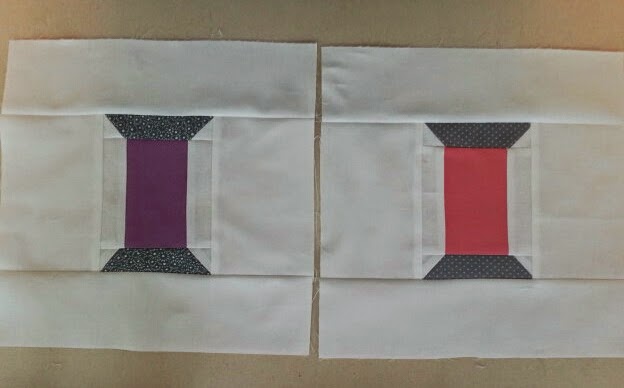
Here are the blocks before trimming them to make them asymmetric.


Trimming the blocks to make the spool tilt:

 
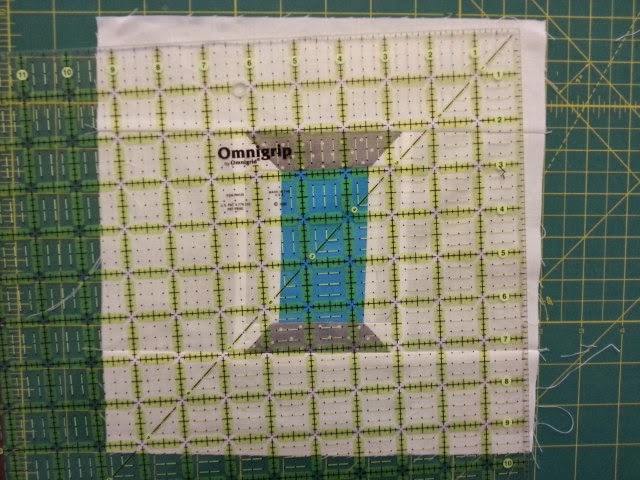
First cut to make higher upper right corner.
Note the ruler grid is skewed in relation to the block.
Second cut to complete block.
Note ruler gird is now true to the
lower left corner of the block

 
First cut with lower upper right corner
Second cut to complete block

Completed pair of blocks


The other thing I found I needed to do when I was assembling the top was to pay close attention to the block pairs.  The first spool and last spools in each row are in opposite positions.  On one side the spool is upright and at the other end of the row it is sideways.  Since the spools themselves have no specific up or down, it was really easy to flip a row in the wrong direction. After a couple rows I decided to take a photo of my design wall so I could check to see if I was sewing the blocks together the way I intended to!  

I find it is always worth the time to stop to get a photo of the blocks in the final lay-out before starting to sew the rows together.  It's saved me from major un-sewing on more than one occasion!

Finished blocks on the design wall

The last thing I added to the quilt was the border of "stitching" on the left side of the top.  I made a quilt last year with lots of tiny pieces and I still have a "quilter's block" about sewing with very small pieces!   But I really wanted to show some "sewing" using the threads from my spools.  The row of "stitching" actually went together really quickly and I'm so glad I did it.

I am working on writing a pattern for this quilt.  I made the blocks with rotary cut piecing.  Some of the spools aren't as true as I'd like them to be.  I think the blocks will go together better with paper piecing the spools.  I plan to have the pattern completed so I can include it with the post of the completed quilt.  Hopefully I'll have everything done in a couple weeks.

Long Arm Quilting Adventure: Somerville Homeless Coalition Quilt

by Judy Tucker


While I usually do the quilting on my projects on my domestic sewing machine, sometimes it just makes more sense to quilt it with a long-arm quilting machine. It's fast, the quilt is flat and stable on the quilt frame and using a computerized design, the quilting is high quality and very consistent.

Janet, just starting the quilting with the long-arm

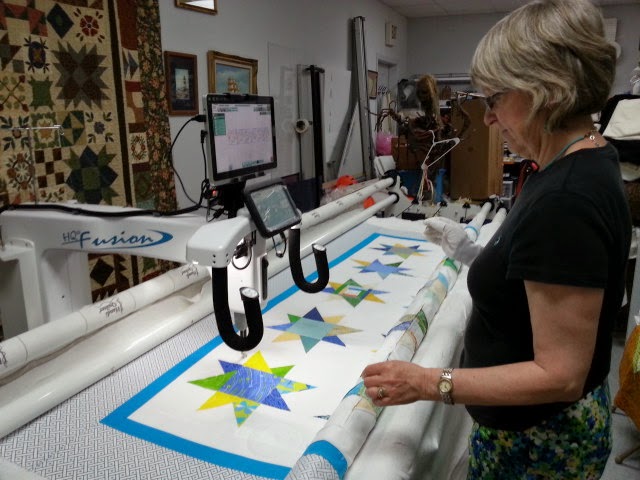
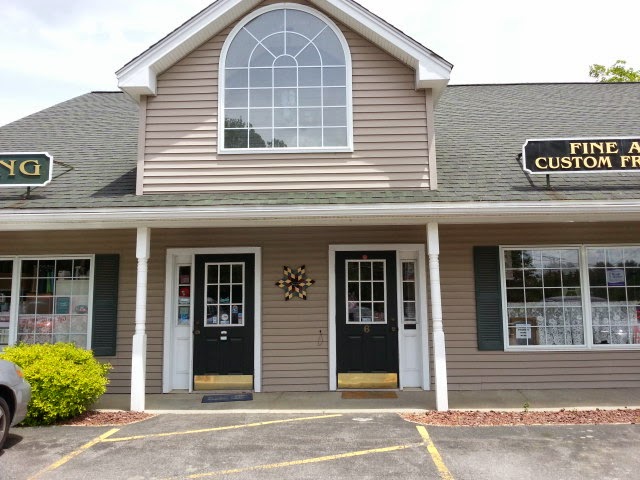
My friend, Janet, (chief quilter on this project), decided that she wanted quilt the raffle quilt for the Somerville Homeless Coalition on the long-arm.  She just felt it was a bit too large at Queen size to quilt on a domestic sewing machine.  So off we went to one of our favorite quilt shops, Bits 'n Pieces Quilt and Fabric Shoppe, in Pelham, New Hampshire.


Liz, the shop owner, rents the Handi Quilter long-arm machines.  (She'll be happy to sell you one too, if you so desire)!  The first time you use the long-arm, a lesson is included.  But even when you have been a number of times,
the staff is always there to help you with the set up, re-setting the computer when the bobbin runs out in the middle of a section or any time if you have questions or concerns.

Liz is a wizard when it comes to the ins and outs of the Handi Quilter Long-arm machines. She can solve problems that look impossible so that your quilt comes out looking fabulous.  It is just so much fun to work with her.   Her daughter, Alyssa, is often there to help as well and she is great too.

They have two large binders full of computerized quilting designs.  I've used pantographs which are linear and run across the body of the quilt and designs that just fit in a single block.  They have a design that will be just right for your quilt.  They also have a huge collection of quilting thread.  Both the thread and the quilting design are included in the cost of the quilting.  I love looking at all the quilting patterns and then finding just the right color thread.

The staff is happy to help you choose if you don't know what might work best.  This time we were just quilting the center of the quilt and stopping at the borders. Alyssa looked a the first design we picked out and showed us that the pattern was going to leave a number of empty un-quilted spaces because of the way it started and stopped each line.  So we went back to the patterns and found something at worked perfectly.  They had an example of the design we decided to use on a quilt in the shop and she sent us off to look at it before we started.  That was really helpful.

If you prefer, you can also do your quilting on the long-arm manually with whatever design you want to create.  I've always chosen to use the computer driven designs.

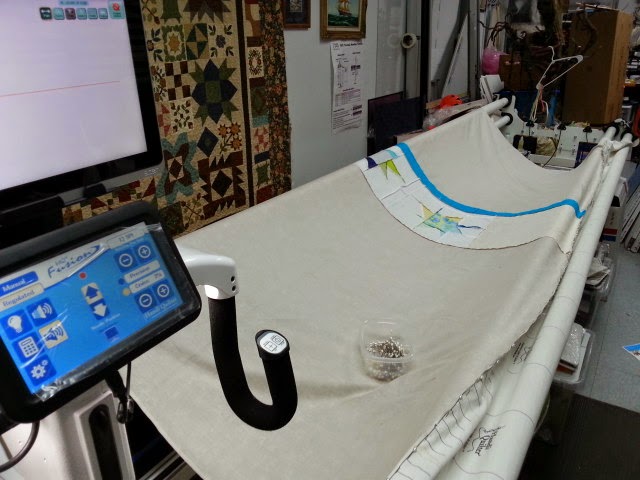
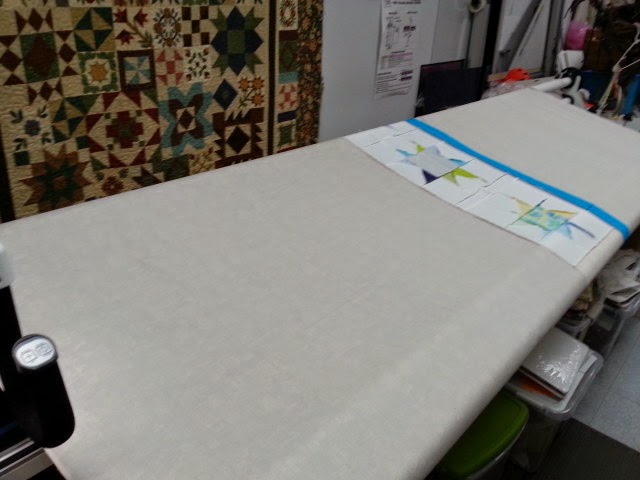
Pinning the lower layer of the quilt to the long-arm frame
With long-arm quilting, the quilt top and bottom are pinned to fabric that is on the rollers of the frame and the batting is then slipped in-between the two layers.  It is nice not to have to sandwich the quilt by crawling around on the floor with a container of safety pins!

Backing is on the frame, and rolled tight.  It's ready to add the quilt top.

Ready to quilt!  The quilt top is rolled on the 2nd front roller and the batting is draped over the first roller.

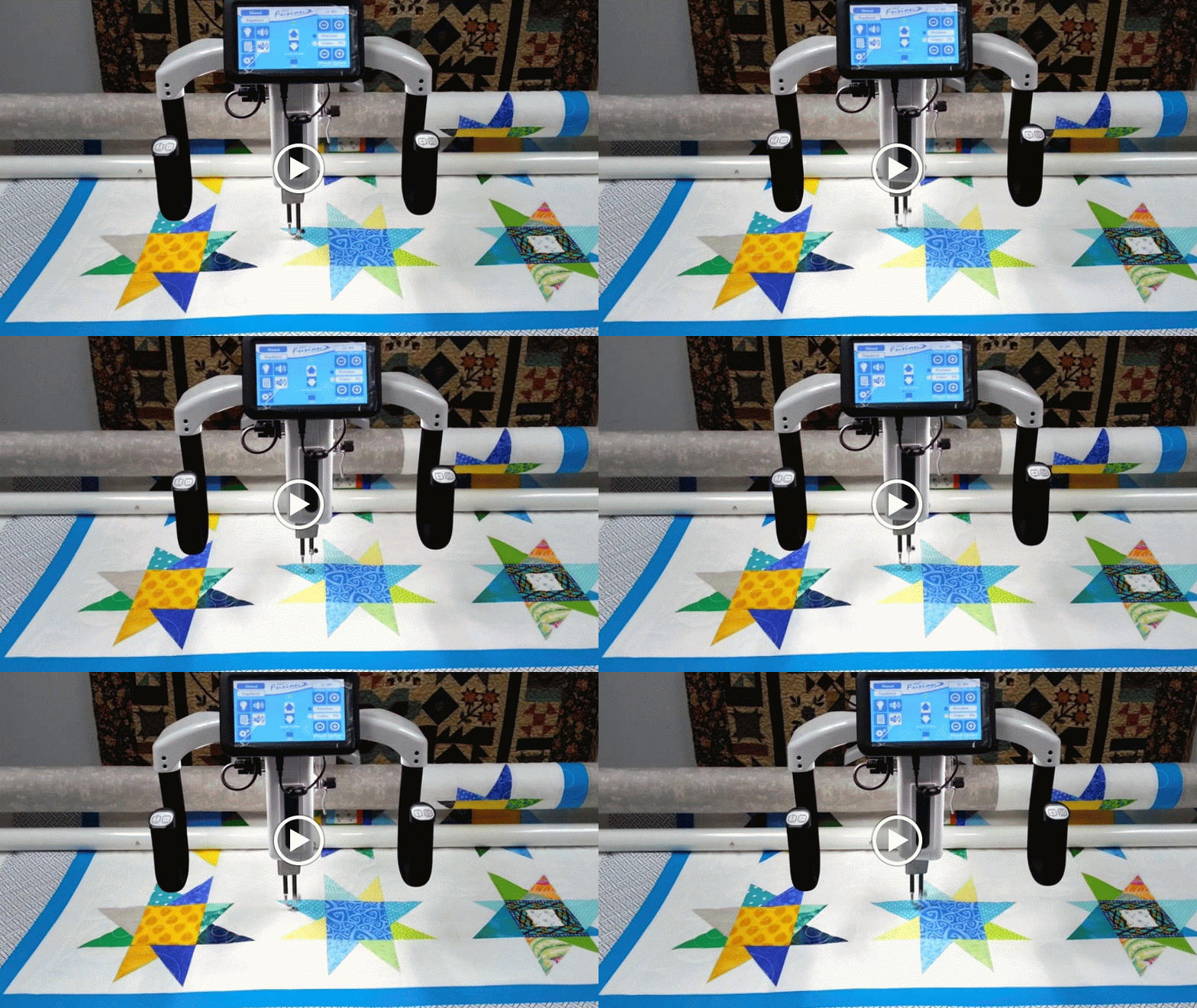
I down-loaded these two video clips from my phone.  I don't think the start arrow in the frame will work on the blog site, but you should be able to see a couple seconds of the long-arm in action.
The computer on the long-arm can stitch a design itself--"Look, Ma, No hands!"


Close-up of the quilting process.  

Is this not seriously cool??

If you live in the greater Boston area or Southern New Hampshire and are interested in trying long-arm quilting, I highly recommend you try it at Bits 'n Pieces!  (They also take quilt tops and will quilt them for you).

PS--The shop has a huge inventory of fabric on bolts and pre-cuts.  Just visiting to shop for fabric and supplies is totally amazing!

The quilt is almost finished.  The binding just needs to be completed.  I'll post again when it the quilt is totally done.

Cats in the Garden Quilt and Update on the cheddar background color poll

by Judy Tucker


Update on the Cheddar vs Orange or Grey background for a quilt block.  Sorry the poll gadget didn't work last week.   And informal poll of readers had cheddar and grey in a tie.  Folks liked the cheddar but said the grey really allowed the focus colors to sing. Readers felt that the orange background changed the character of the focus colors in the blocks.   Thanks to everyone who voted.  


                                                 Garden and the 2013 Cat in the Garden Quilt

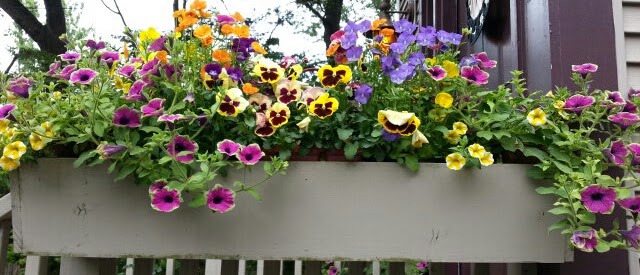
I've been enjoying my neighbors window box.  The magenta flowers with the  lime green margins are incredible. This collection of flowers looked so familiar to me.  Usually my neighbor puts nasturisiums in her window box so I knew I wasn't remembering a previous planting.   And then I got it…. 

My neighbor's window box

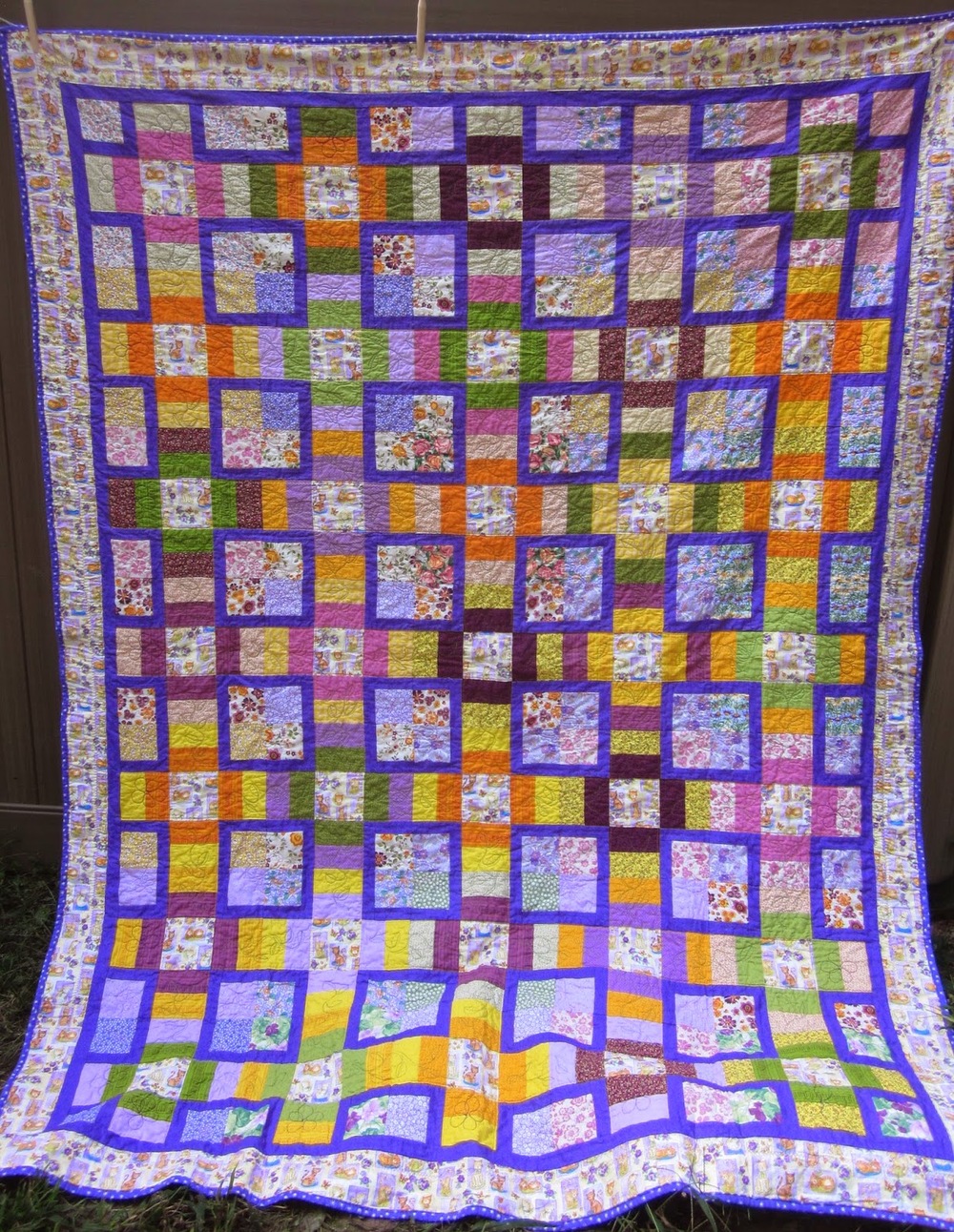
        Last year I made a quilt for my godchild's little girl.  She wanted a purple quilt.  I had a stack of fat quarters in a collection from Connecting Threads and some yellow and lavender fabric with a cat motif that was waiting in my stash for the right project.  Here is her quilt, "Cats in the Garden."  It amazing how the flowers in the flower box echo the fabrics in the Garden Quilt!  

Cats in the Garden

The pattern is from Tula Pink's book,  City Sampler:  100 Modern Quilt Blocks.  The block I used is "No. 4".  
The cat fabric in the center of the block and there is a 4 patch flower garden that is formed when the bright purple strips in each corner of the block form a secondary square. 

Tula Pink's book is a lot of fun.  She numbers all the blocks but lets you name each block!  On the cover flap of the book Tula writes " Name your blocks, write in margins, cross out the ones you don't like, draw hearts around the ones that you love.  In a perfect world, everyone's book would end up looking like a journal…."

I love that in this digital age, Tula has created a book that is intended to be interactive.  Very cool.
You can read her whole note on the cover flap on Tula Pink's website and see some sampler quilts she made.  You can see the individual block I used in her rainbow sampler quilt. The No. 4 block is on the outermost row, magenta color and 7 down from the top.

It's a great book of blocks.  It would be a great addition to any quilter's library. 


Update on the Charity Quilt for the Somerville Homeless Coalition: It's coming right along!

by Judy Tucker


Janet got the blocks for the charity quilt for the Somerville Homeless Coalition all sewn together while she was up in Maine at the Proper Bostonian Quilt Guild spring camp!   Here is a photo of quilt on the design wall.  Janet, thanks for spending part of your time away at Quilt Camp working on this project. Much appreciated by all!   Thanks also goes to all the PBQ Guild members who helped with the arrangement of the blocks!  It looks great!


Yesterday Janet started work on the borders.

Janet, happily sewing on a rainy June day


Here is the quilt is with the first border.  That bright turquoise border really brings the quilt together beautifully.

PBQ members, Janet (left) and Ginny (right) with the quilt
One more wide border to be added, then the it will be ready to be quilted.  This is very exciting!


EQ7 Jump Start Quilt Along: Block 3

by Judy Tucker


Yesterday we got the third lesson in the EQ7 Jump Start Quilt Along.

Twin Star Variation

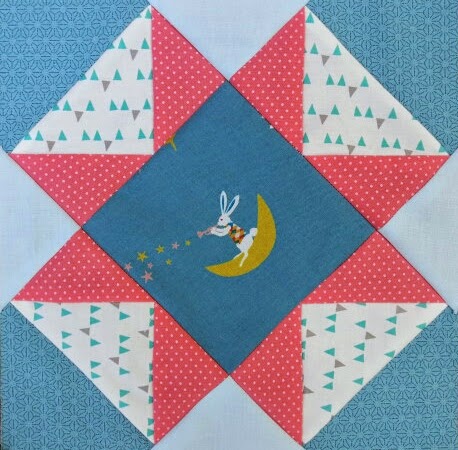
This week was a lot of fun.  Jenny taught us how to take a block from the EQ Block Library,
Twin Star this week, and edit it to create a new block with the EasyDraw Block Worktable.

Twin Star block from EQ Block Library


I had done some block designing with EQ7 on my PC.  This is the first time I tried to design with the new EQ7 version for Mac.  It worked beautifully!   No mouse needed, so I find the program is actually easier to use. It's more like drawing using a finger vs. using a mouse.  Yeah!
We added 4 lines.  Then we took out 4 lines which made the center square larger and the block slightly simpler.


Twin Star variation created in 3rd lesson


The first week we were asked to print from the Rotary Cutting Pattern.  Last week was template week.
This week we used the Foundation Pattern.  EQ7 orders the pattern with letters for each section and numbers indicating which order to sew the pieces to the pattern.

The program allows you to re-section the block and re- number it manually if you want to.  I have found that it usually does a pretty good job automatically.

More importantly, EQ7 allows you move around the Foundation Pattern pieces for printing.  My experience has been that I usually can move a pattern piece so it will fit on a piece of 8x11 inch printer paper. This which saves trying to tape pages together to make block section.


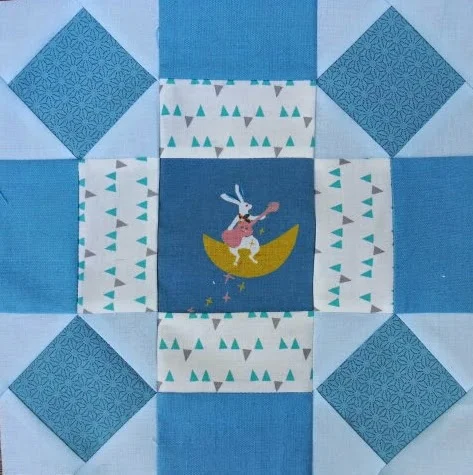
This week I  echoed peachy pink stars in the center bunny block in my polka dot peachy pink star points.  I auditioned the red orange in this week's bunny's vest for the star points but it was just too bright next to the blocks that were already made.


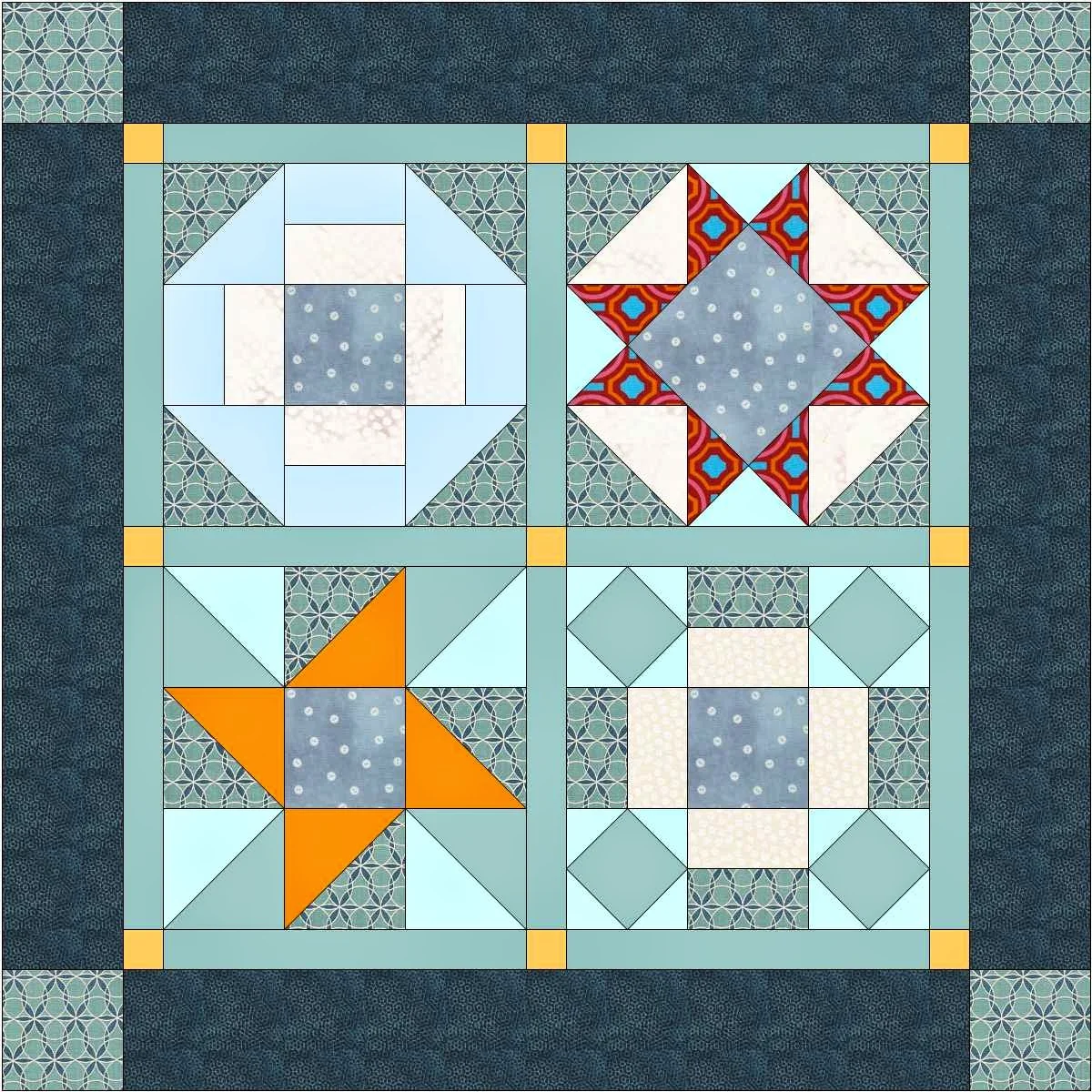
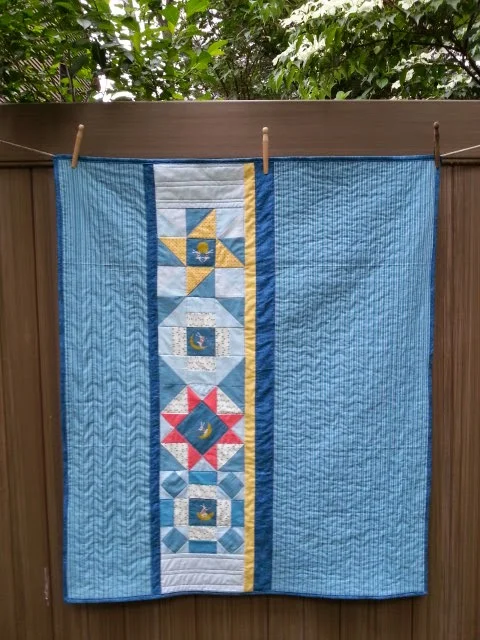
Here are the three completed blocks altogether.


One more week to go in the EQ7 Jump Start Quilt Along.  I wonder what we'll do next week?

Cheddar: The Color, not the Cheese!

by Judy Tucker


Left: Quebec 3 year old cheddar,  Right: Cotswold Cheese (not a cheddar)
Front Center: Irish Vintage Cheddar


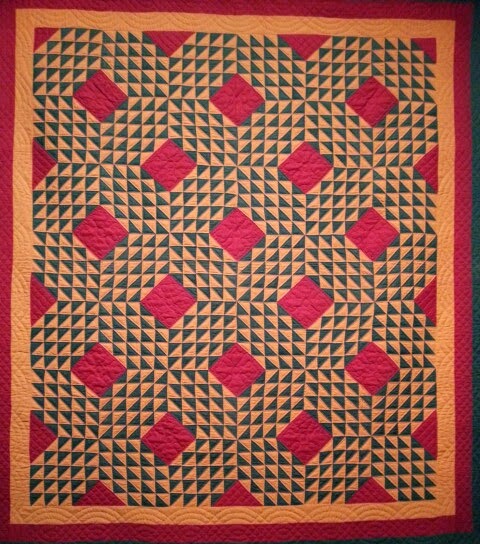
The quilts in the Pilgrim Roy Collection at Boston's Museum of Fine Arts have me thinking about color again.  The first 2 quilts as you enter the "Quilts and Color" exhibit are a red, green and orange Carpenter's wheel on the left a red, green and cheddar Ocean Waves on the right.  Here is the quilt on the right with the cheddar orange.  


Ocean Waves, Mennonite. PA 1880s.
On exhibit at the MFA, Boston
in the "Quilts and Color" exhibit


Cheddar was a popular color in the early 1800s before aniline dyes became available.  One of the articles I read about the color said that at the time, it was considered a "neutral" color.  Wow.  Some neutral!!   The dye was made from Lead Antimony powder so the dyeing could be done at home.  However, both the lead and antimony are heavy metal which are poisonous.  So the process of dyeing fabrics cheddar color was potentially dangerous, something I'm not sure they appreciated much at the time.


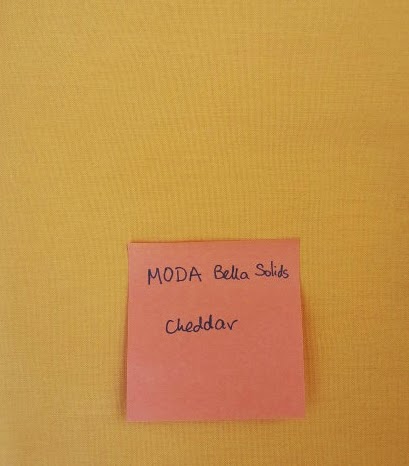
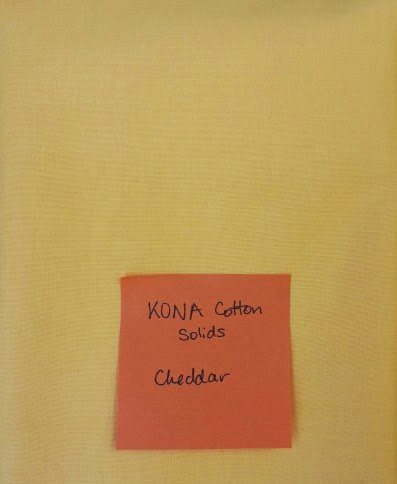
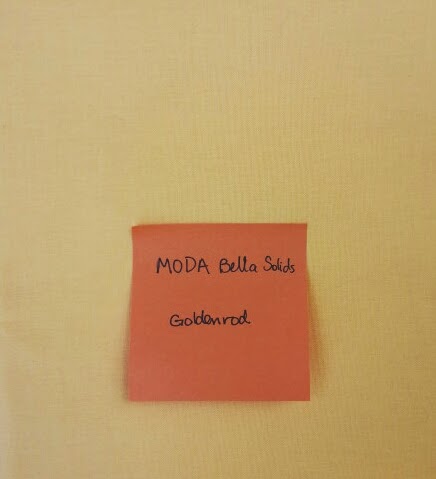
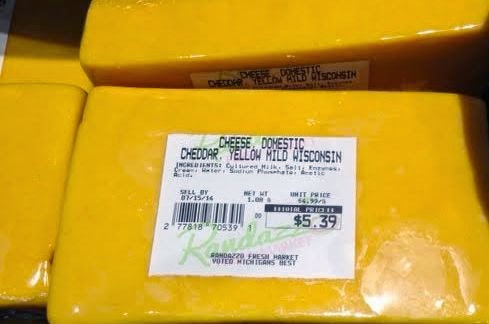
Cheddar yellow seems to have made a come back in the past several years. Bonnie Hunter has a Bow Tie Pattern  which has a Cheddar yellow background and the fabric companies are making yellow orange solids which they have named "Cheddar".  Both Moda and Kona have a version.   Kona's cheddar is a much softer color, and it's the one I prefer.  Neither of them is really the color of cheddar cheese, though my brother did hunt down a cheese from Wisconsin that is a much deeper color than anything I found at my local cheese shop here in Boston!  (Sometimes it takes a team effort to make an interesting blog post…Thanks, Bill)!


"Goldenrod" 


Wisconsin Cheddar found in Michigan Cheese Shop


I decided to make a couple blocks with the colors used in the two quilts in the show at the MFA. One block has orange as bad the background and one has the Cheddar Moda Bella Cotton.  (I have a couple yards of the Kona Cheddar so I'm saving that for a larger project).
And I also made a block with a grey print since grey is frequently used as a background color quilts being made now.

The pattern is a variation of Mill Wheel which I found in the book, 500 Quilt Blocks, by Lynne Goldsworthy and Carrie Green.

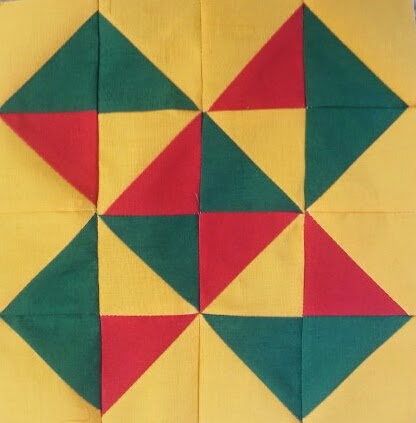
Cheddar background


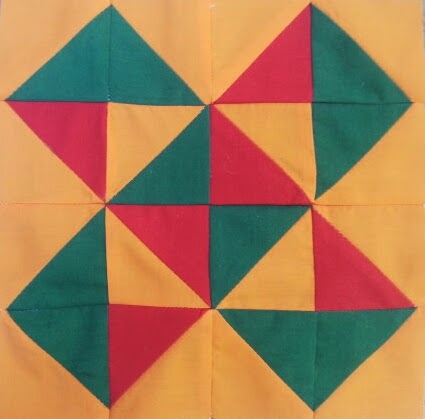
Orange Background


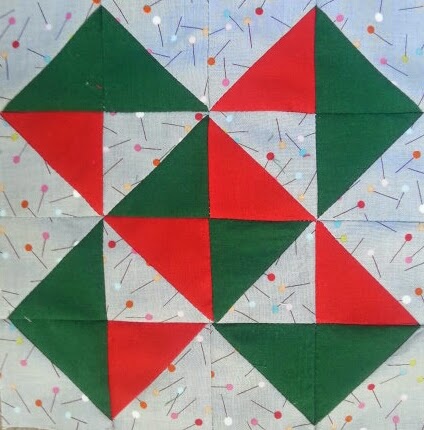
Modern Grey Print background

I got a good chuckle when I was sewing the block with the cheddar background.  Something about it was just so familiar.  Then I realized the yellow orange and green were the colors of the Crayola Crayon boxes of my childhood.  Color bringing back memories!
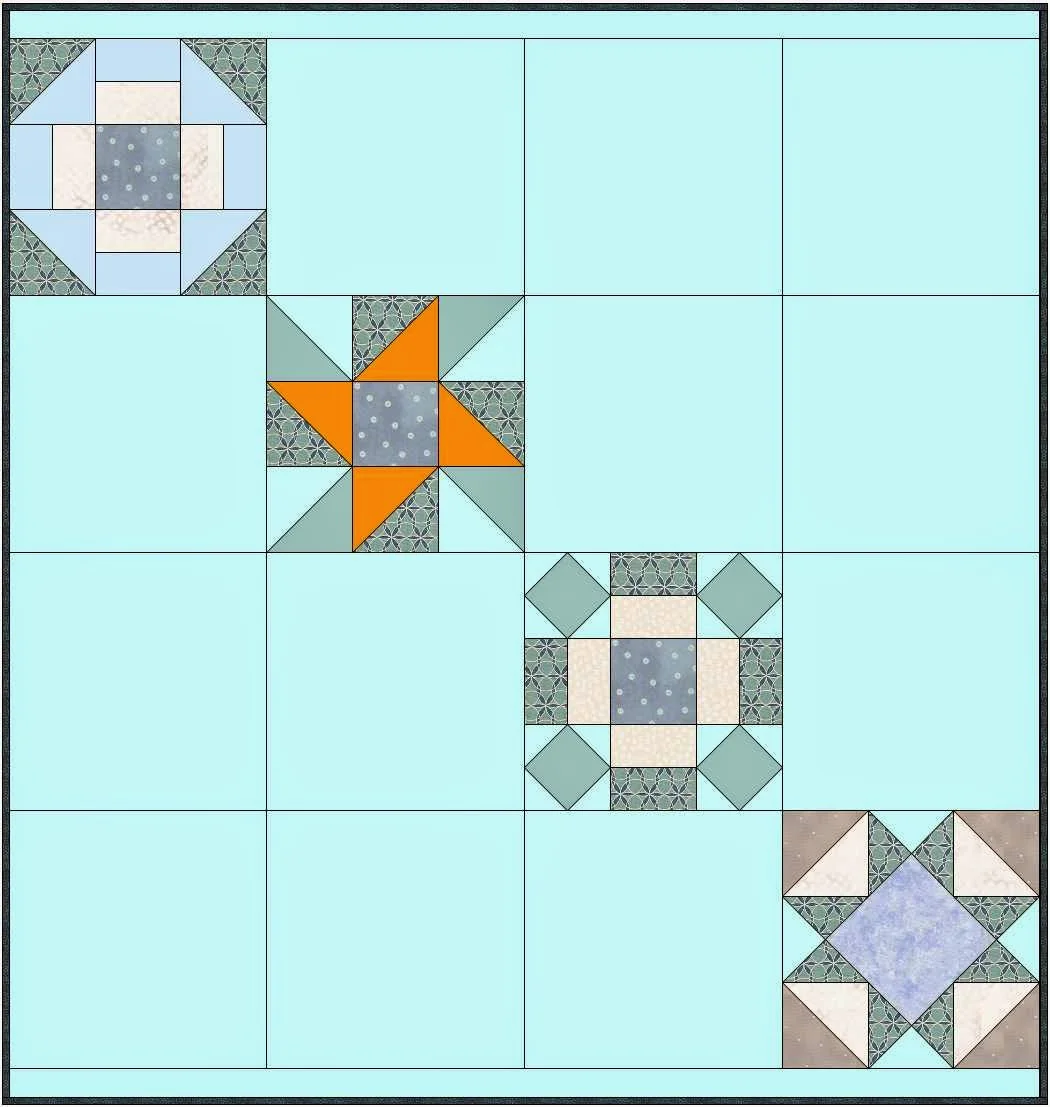
Vote on in the poll (see top of side bar on the right) and let me know which of these three backgrounds is your favorite!  I let you which was the most popular color combination next Monday! 
UPDATE: Sorry folks.  Blogger Polling crashed last week.  Google is working on a fix, but at the moment, the poll feature it isn't working.  Thanks if you voted.  We can try again in an up-coming post. 


Designing notes: Jumbled Spools Pattern WIP

by Judy Tucker


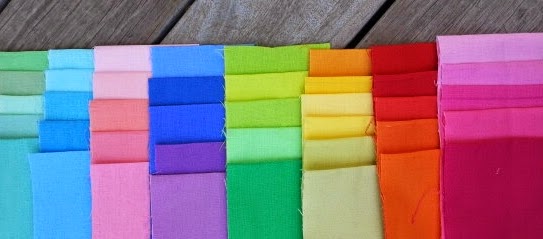
I recently got this great Kona Cotton "New Bright Palette" jelly roll.   I really like this combination of colors.

Kona Cotton "New Bright Palette"


I haven't seen a design for a jelly roll that I am really want to make, so I started thinking about what else I could do with 2.5 inch wide strips.   This set of fabrics reminded me of the thread cabinet in a fabric store.  How about a modern spool quilt?

A quick Google possible patterns brought up the great piece on Craftsy's blog:  Spool Quilt Patterns.
What a fun collection of modern spool quilts.  But none of them were quite what I wanted. 

So I decided to make a maquette (a sample), a design technique I learned about in Weeks Ringle's fabulous Craftsy course Designing Modern Quilts.  (I highly recommend this course.  Weeks is a brilliant teacher and she has a lot to share about use of color and design in Modern Quilting).

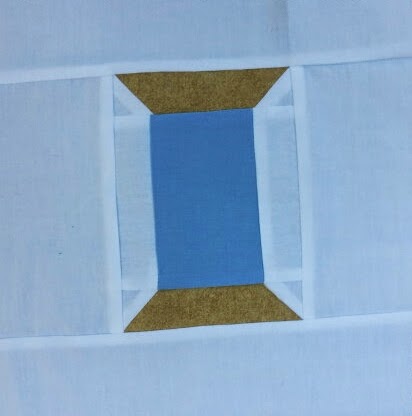
Here is my first maquette.  It's all right.  But is it a spool?   If I worked in a cotton mill in the 1800s and used large wooden spools,  I would say yes.  But it's not the 1800s anymore.  So I think it looks like a bit of a mystery.


Adding an extra step makes the design recognizable as a spool.  Something my mom would have had in her sewing basket, but definitely a spool.  


The block is off kilter on purpose. I want the quilt to look like a jumble of spools.  Most Spool Quilts are super tidy looking.  I'm looking for something closer to the end of a busy day of sewing!

I grabbed the brown and tan from my scrap bag to make the maquettes. I was looking for a grey but didn't find any in the 2.5 inch scrap collection. I'm still trying to decide if I'm going to use a greys for the spool or a collection of tans.

Will keep you posted on my progress!

Dog Toy: Night TIme Flat Cuddly Polar Bear

by Judy Tucker


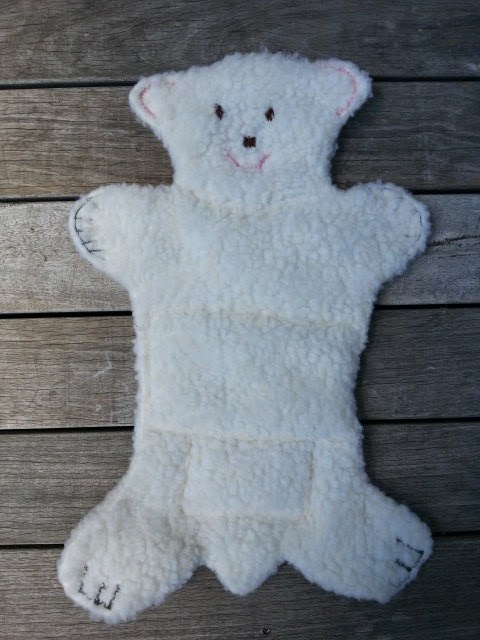
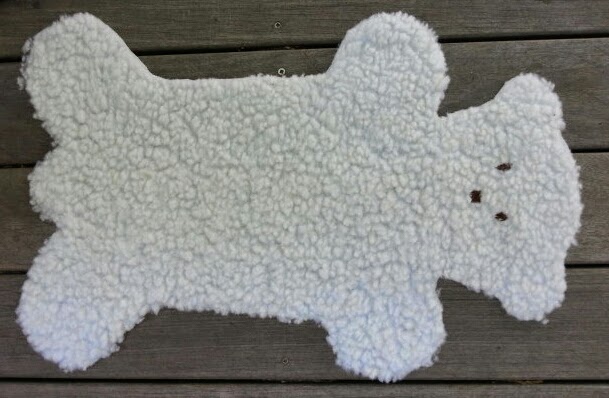
Night Time Flat Cuddly Polar Bear Dog Toy


Five years ago, when Taffy was an 8 week old puppy, I put a flat Polar Bear cuddle toy in her crate at night so she would have something to lie on that would feel soft and snuggly.   I had a back up Pink Pig but she never needed the second toy.

So when my niece and her family adopted a Golden Doodle puppy a year ago, I sent her the Pink Pig. 
Apparently Zoe has loved it to bits and they were hoping for a replacement. 

Sadly, the dog toy world had moved on.  Now the flat cuddle toys have multiple squeakers sewed into squares in their tummies.  Not quiet for sleeping and lots of dogs will rip apart a toy containing a squeaker.  The small round plastic squeakers are a choking hazard so a toy with 12 of them is potentially bad news and big vet bill.

I have access to a couple independent pet stores which stock unique toys.  Neither had any toy remotely like Pink Pig or the original Polar Bear.  Nor have I seen anything on-line for years.

I picked up a couple toys today but they weren't really what I wanted.  Then driving home from the pet store I realized I'd had the solution at home all along.  I could make just what I wanted with some berber fleece I had purchased to make dog mats (and haven't yet!) and left over polyester batting.  The toy would be soft, flat, cuddly, squeaker-free and (hopefully) not interesting enough to rip apart.  And replaceable!


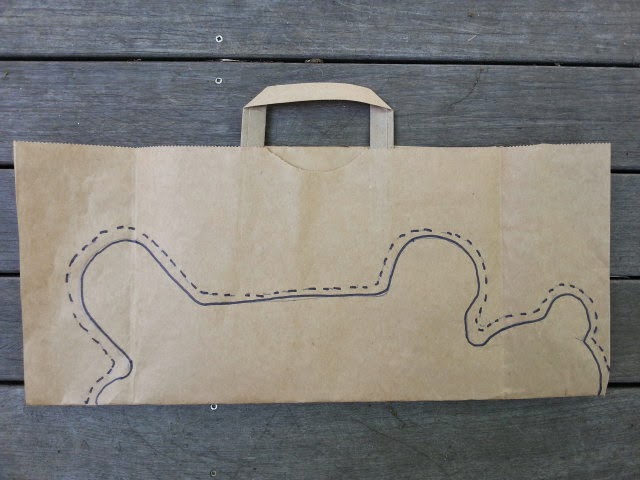
I drew out a half a bear on paper from a grocery bag which I had folded in half.  I added a 1/4 inch seam line.   I cut out 2 bears from the berber fleece and one from a scrap of polyester quilt batting.


Then I embroidered eyes and nose on one of the cut berber fleece pieces.


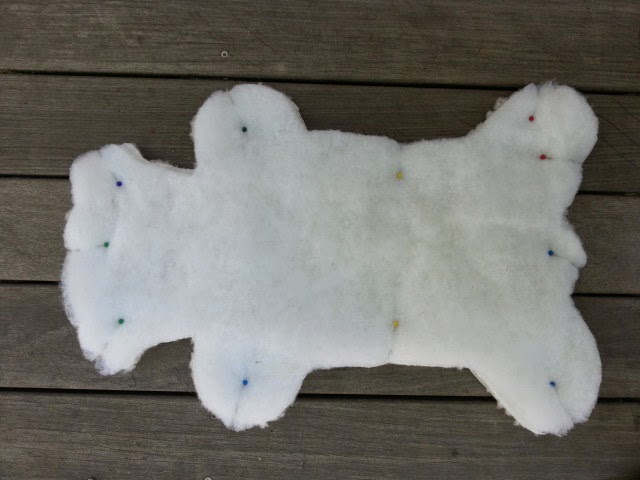
I layered the fleece right sides together and added the batting on top of the wrong side of the top bear piece.  Then I sewed all 3 pieces together with an overlocking stitch, leaving a few inches open on one side of the abdomen so I could turn it to the right side when I was done.  The bottom layer slipped a bit so I had go back and re-sew couple places where the stitching hadn't caught all 3 layers.  I think I could avoid that then next time by making the over-lock stitch a bit wider.   I could have used the serger to assemble this toy but the sewing machine was set up and ready to sew and the serger wasn't!

I used quilting thread and decorative stitches to add a mouth, ear details and claws.  Then I sewed lines across the abdomen in several places to discourage the dog from shredding the bear and will keep the layers together. 

From start to finish this project took me about an hour and a quarter. 

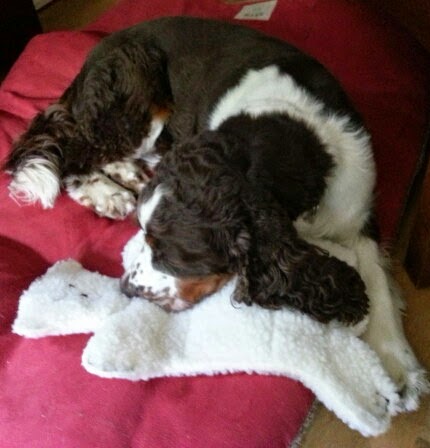
Taffy gave it her stamp of approval.  I hope Zoe likes it too!