Mystery Quilt! Bonnie Hunter's Grand Illusion Part 5

by Judy Tucker


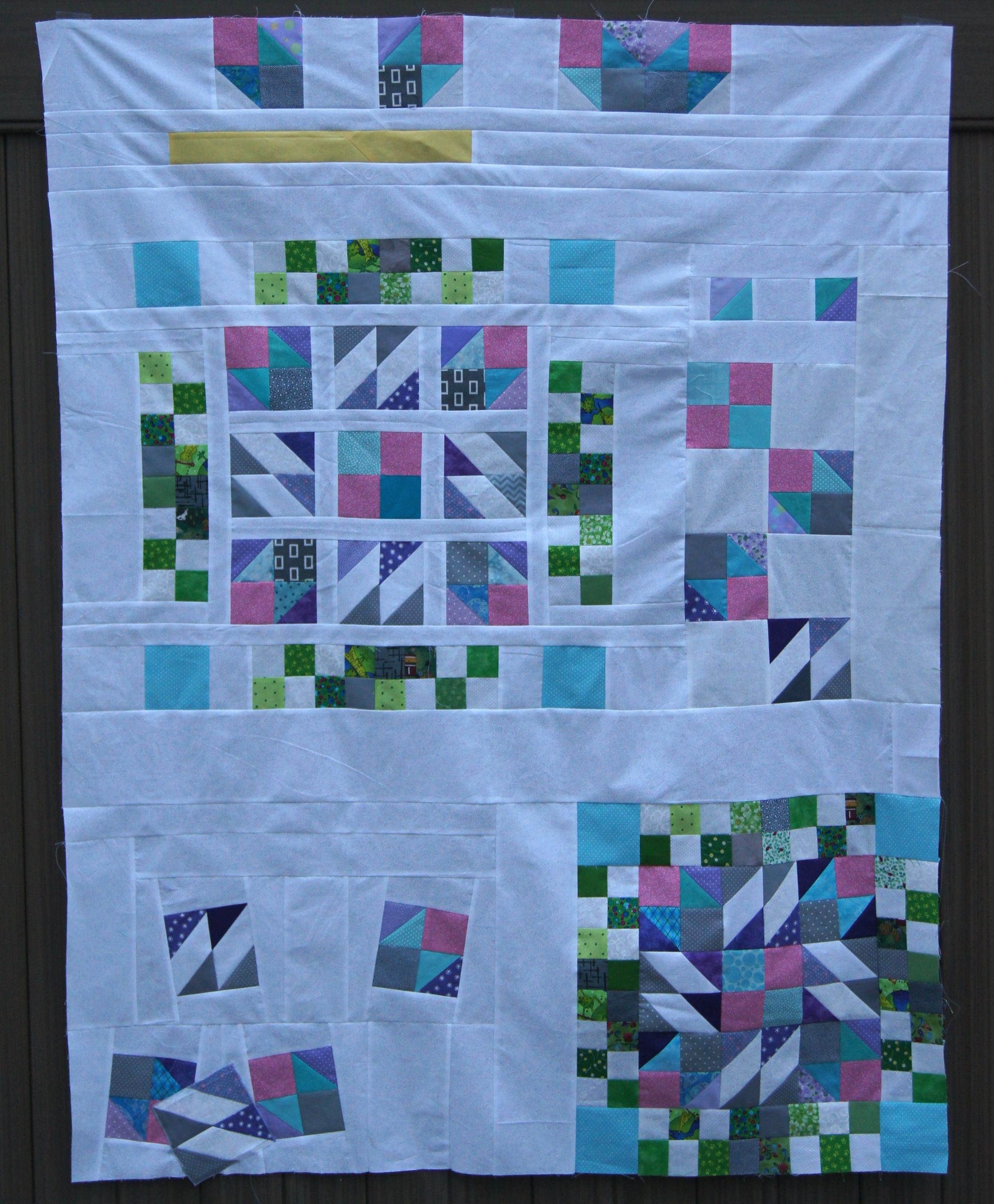
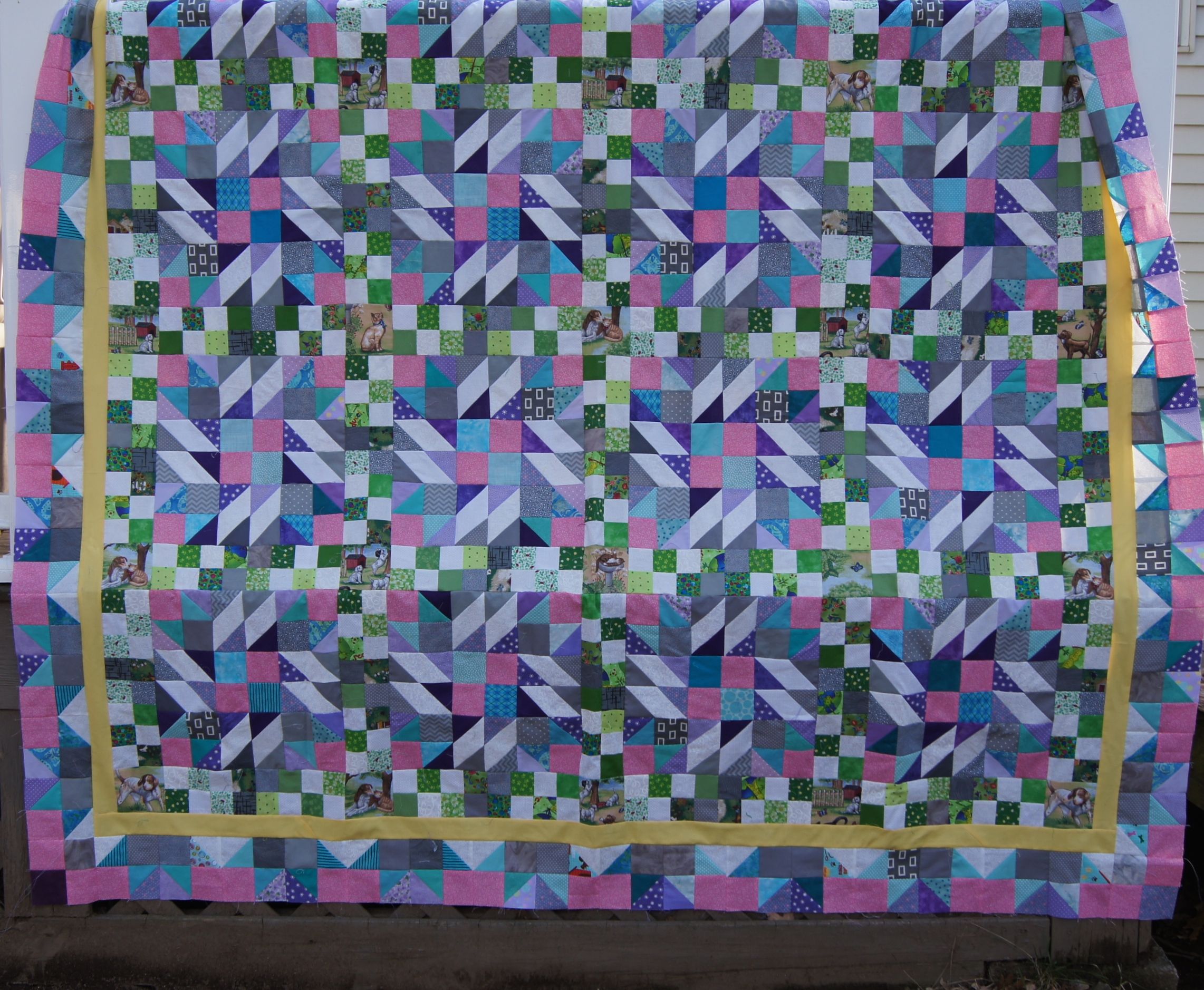
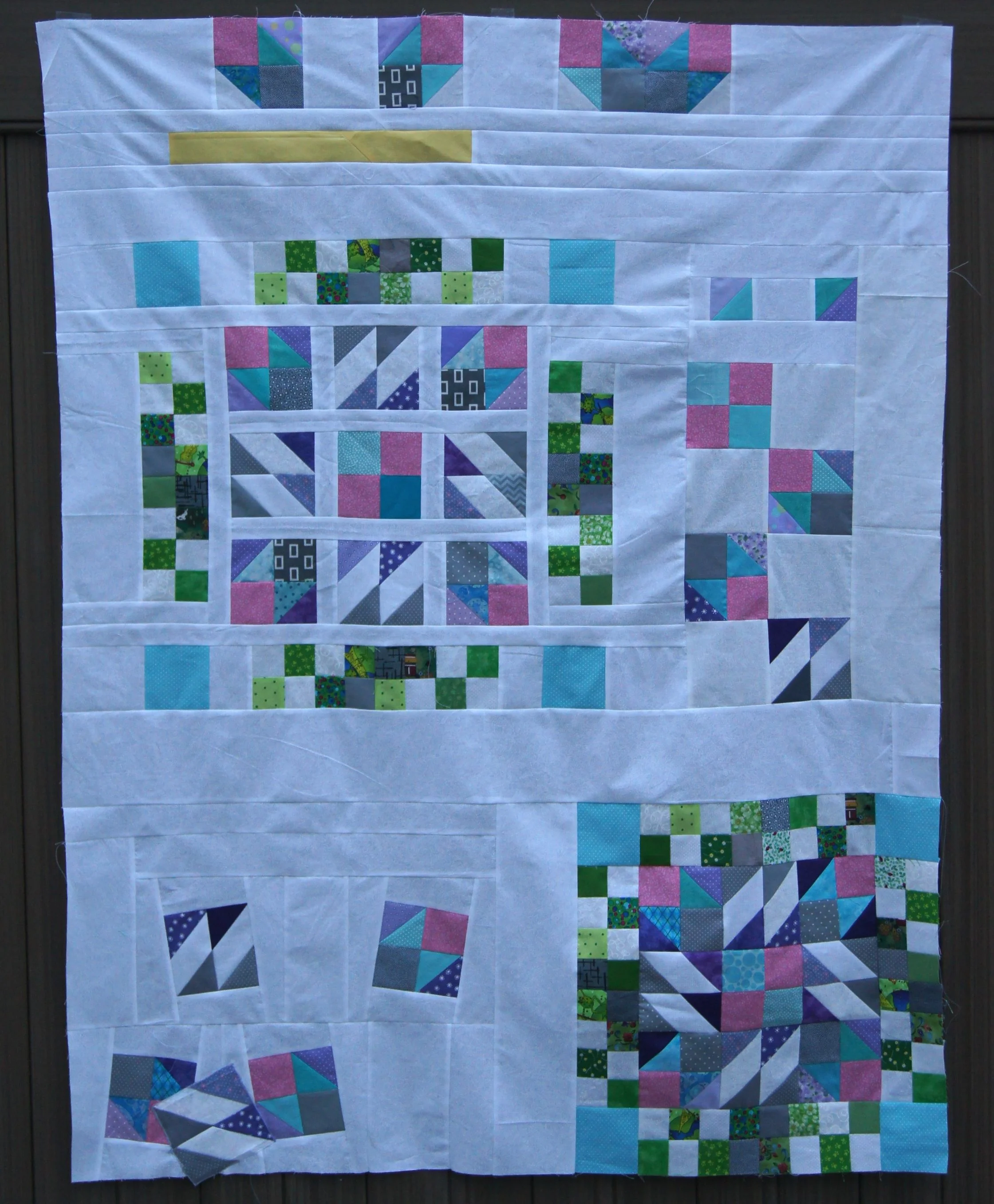
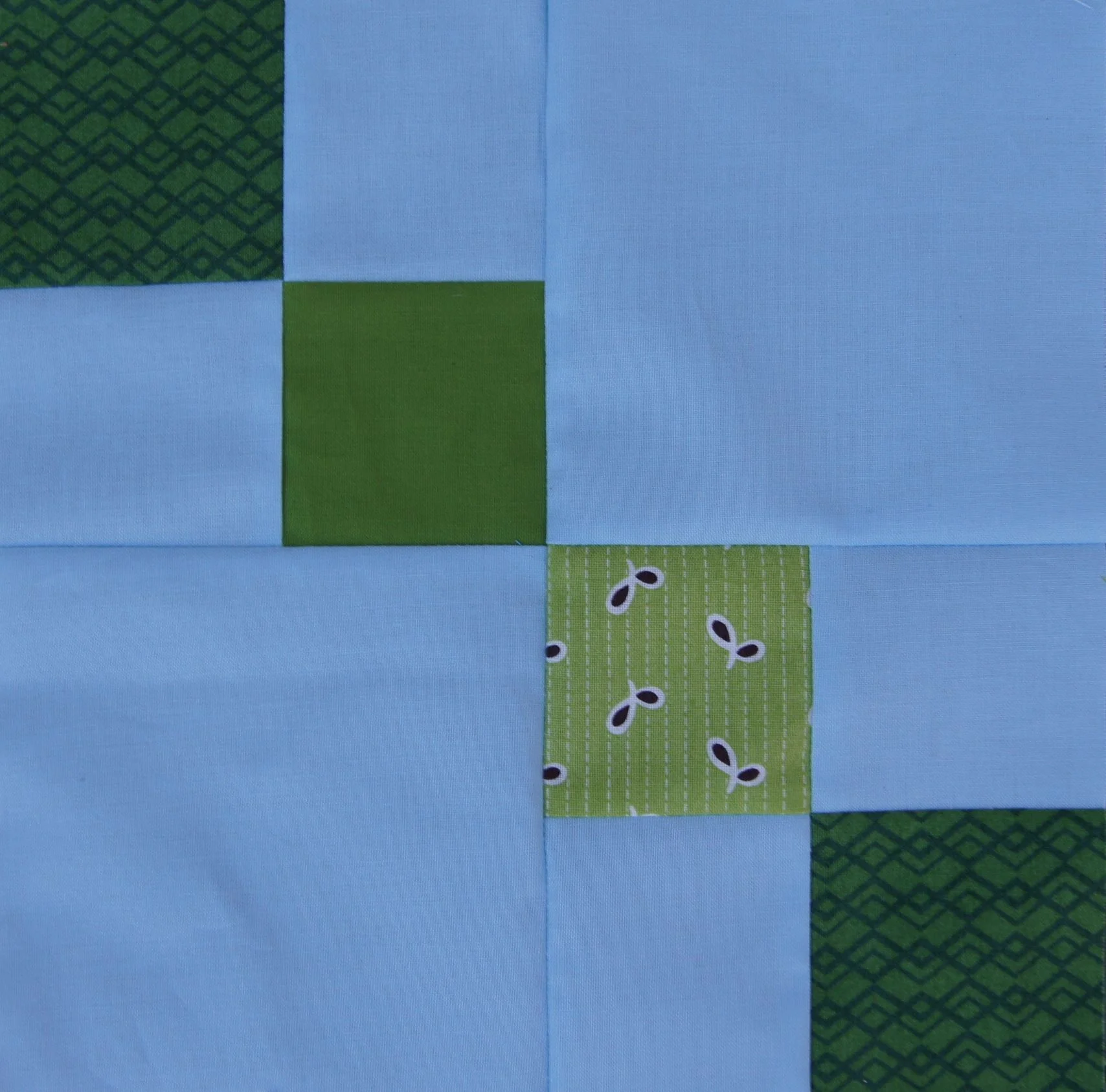
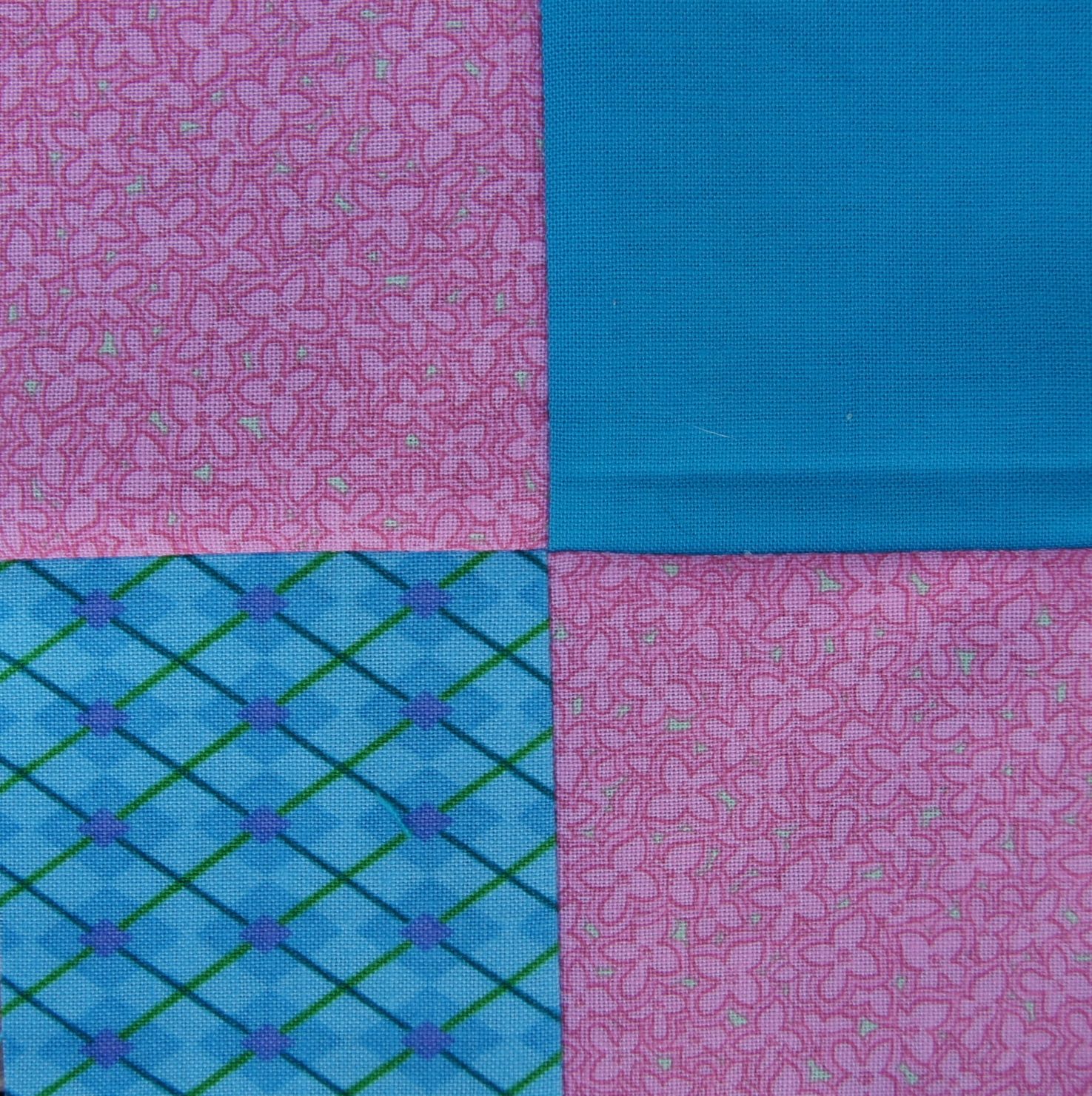
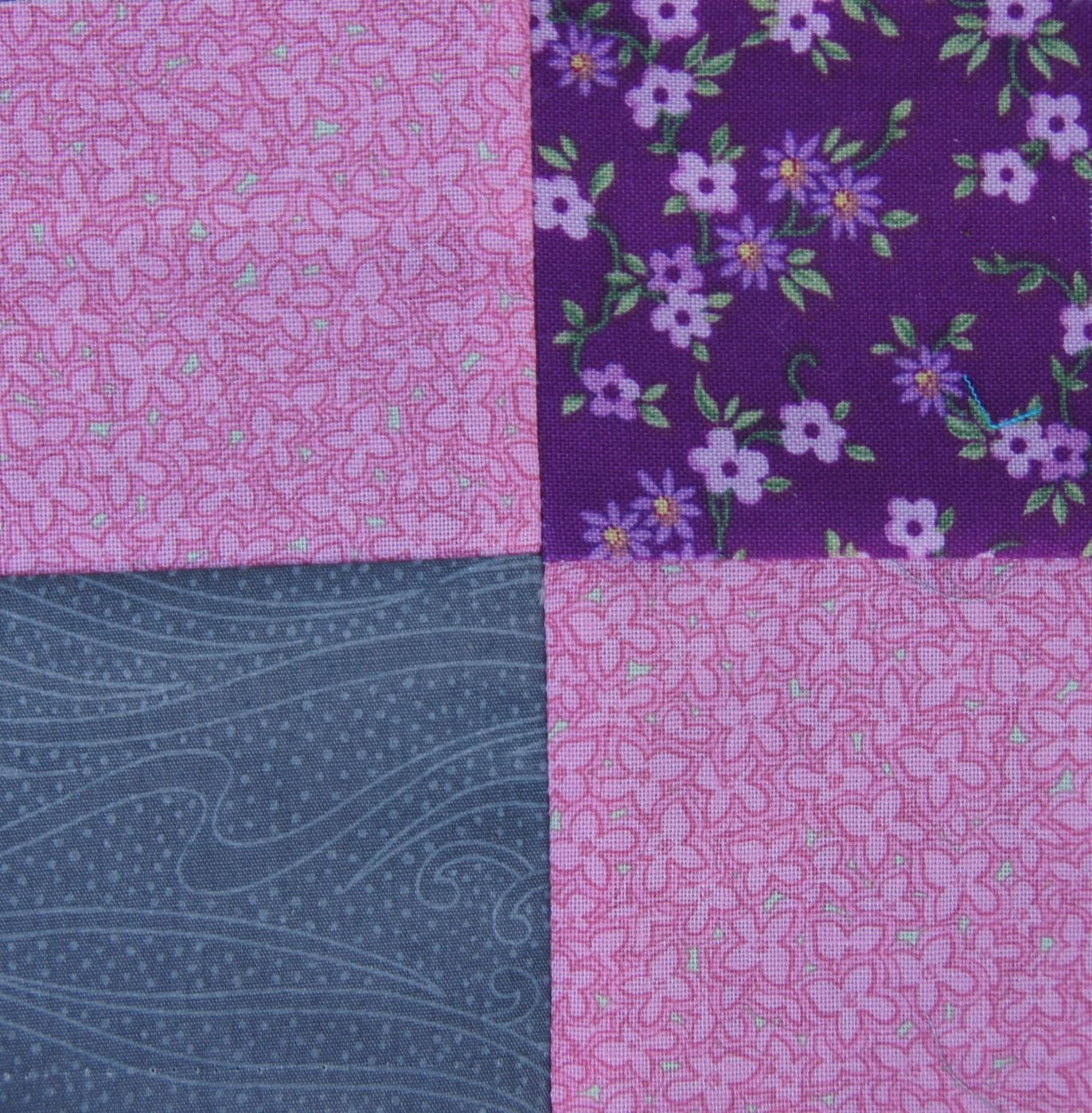
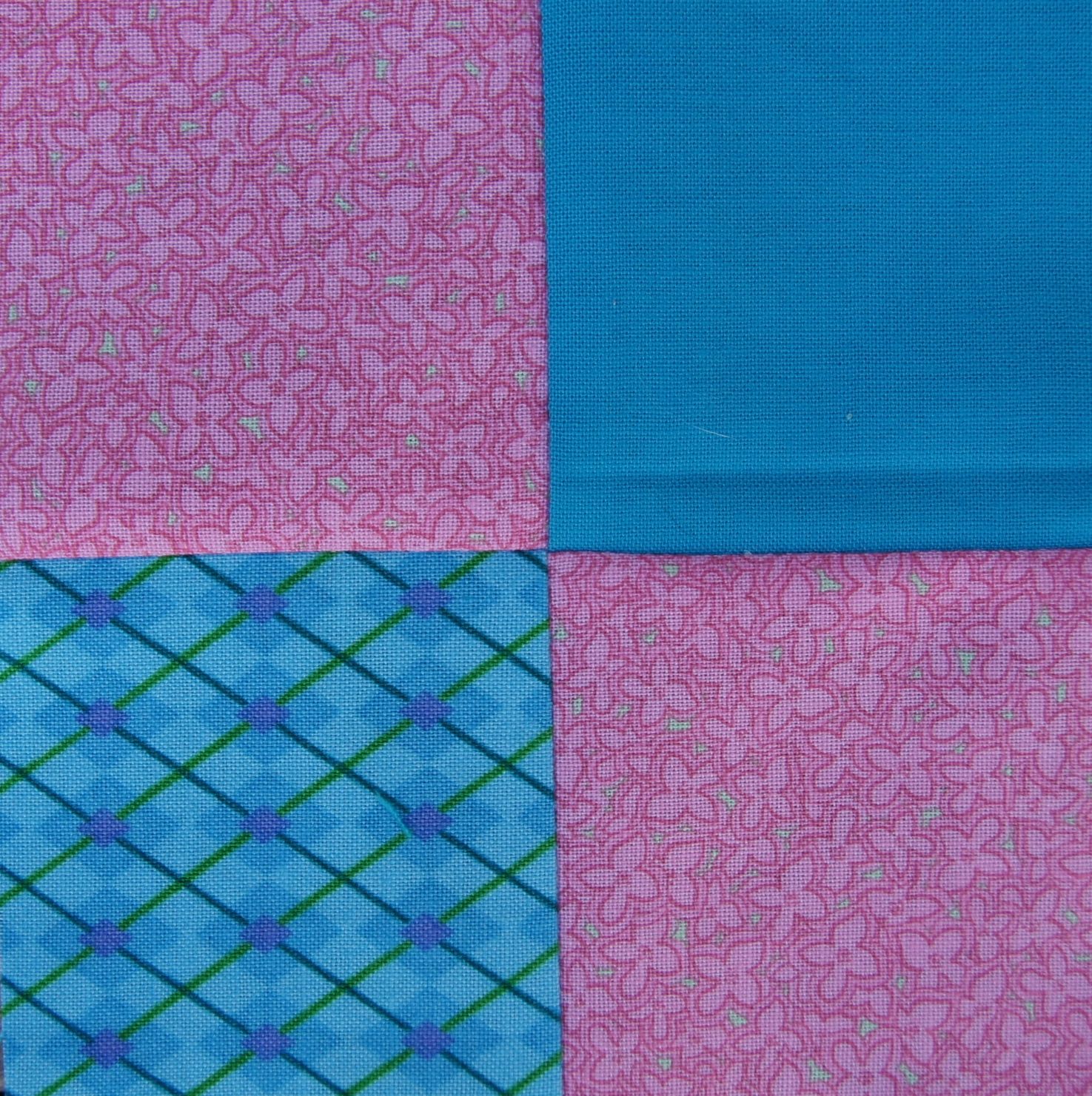
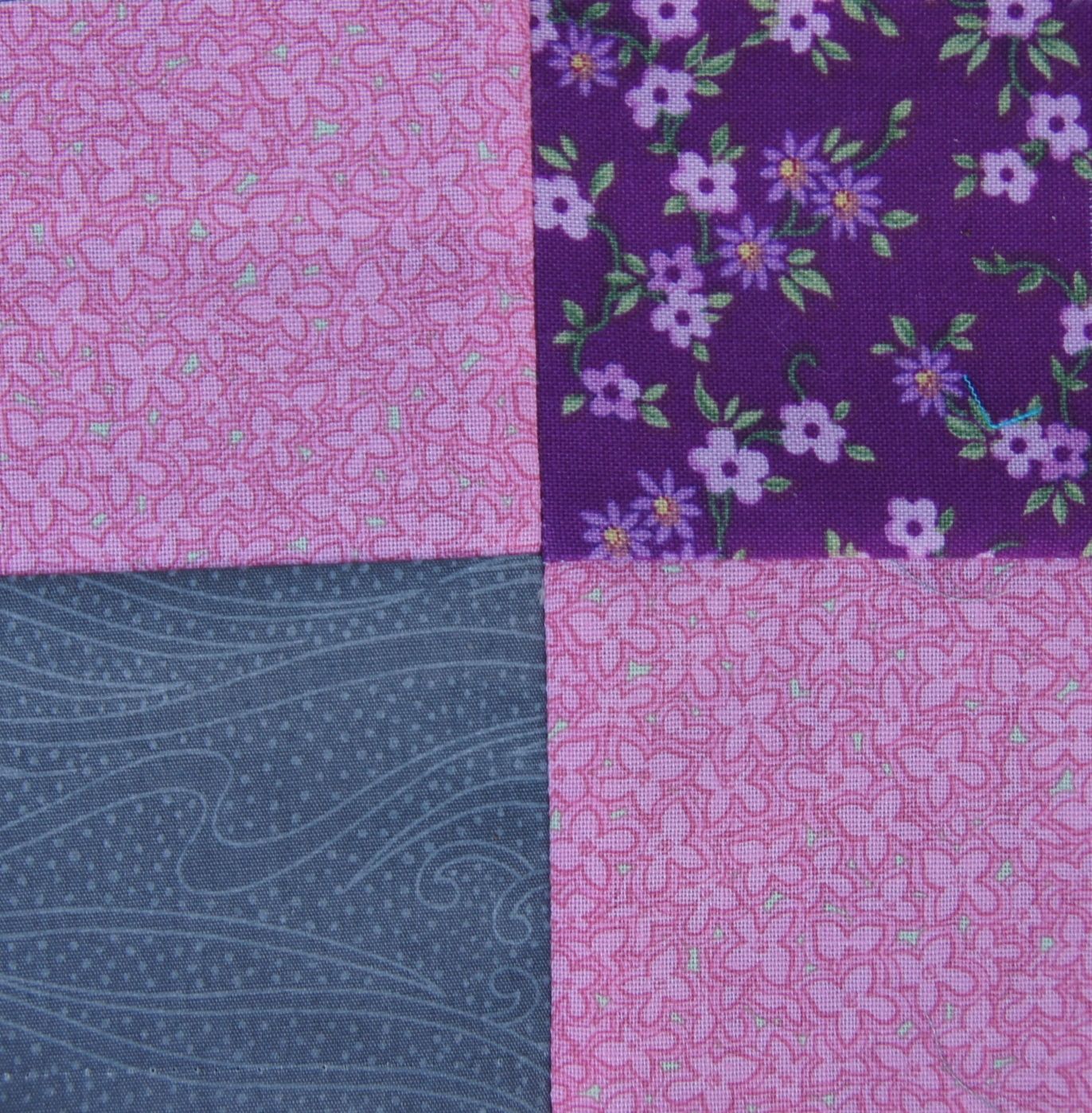
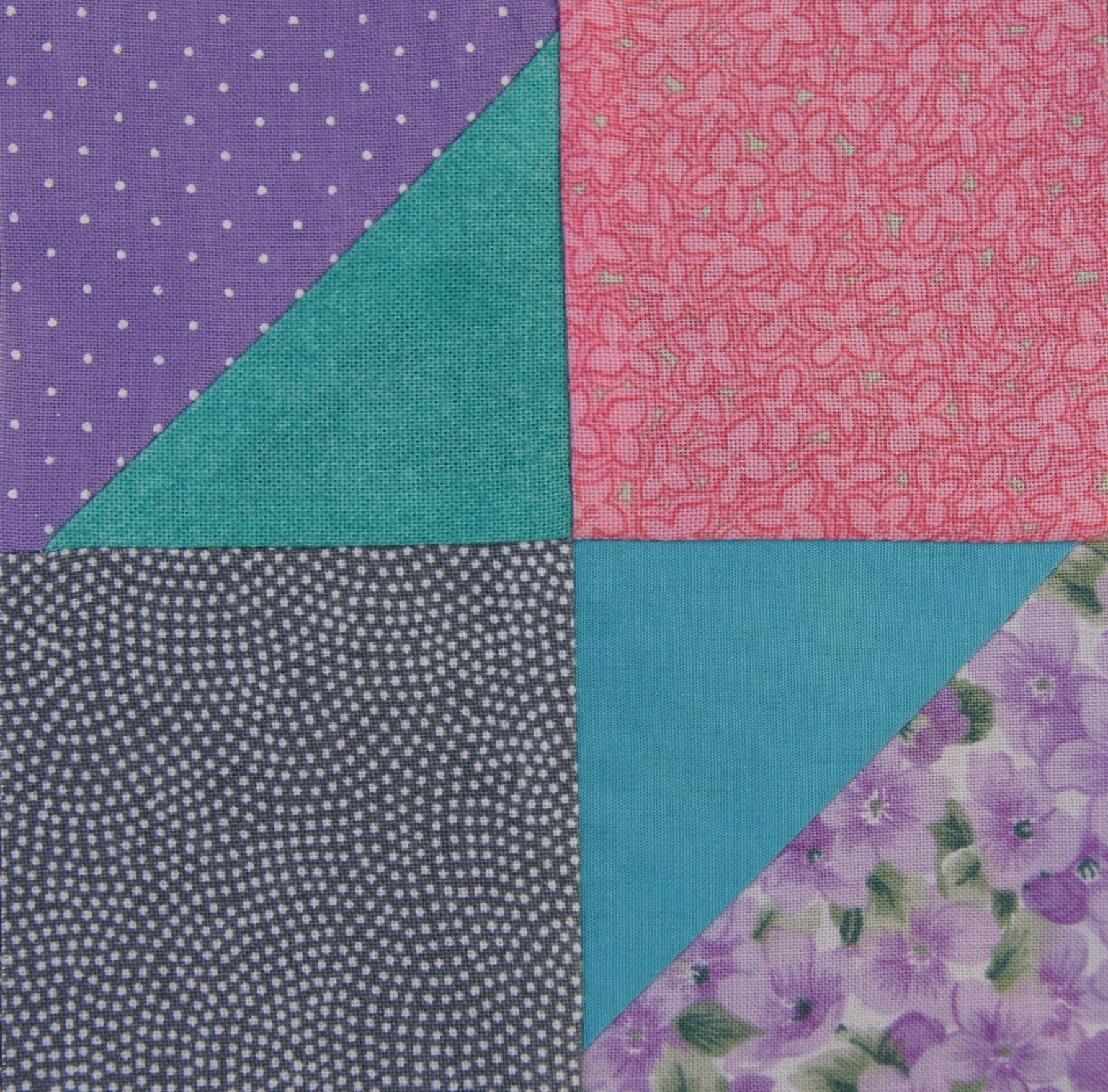
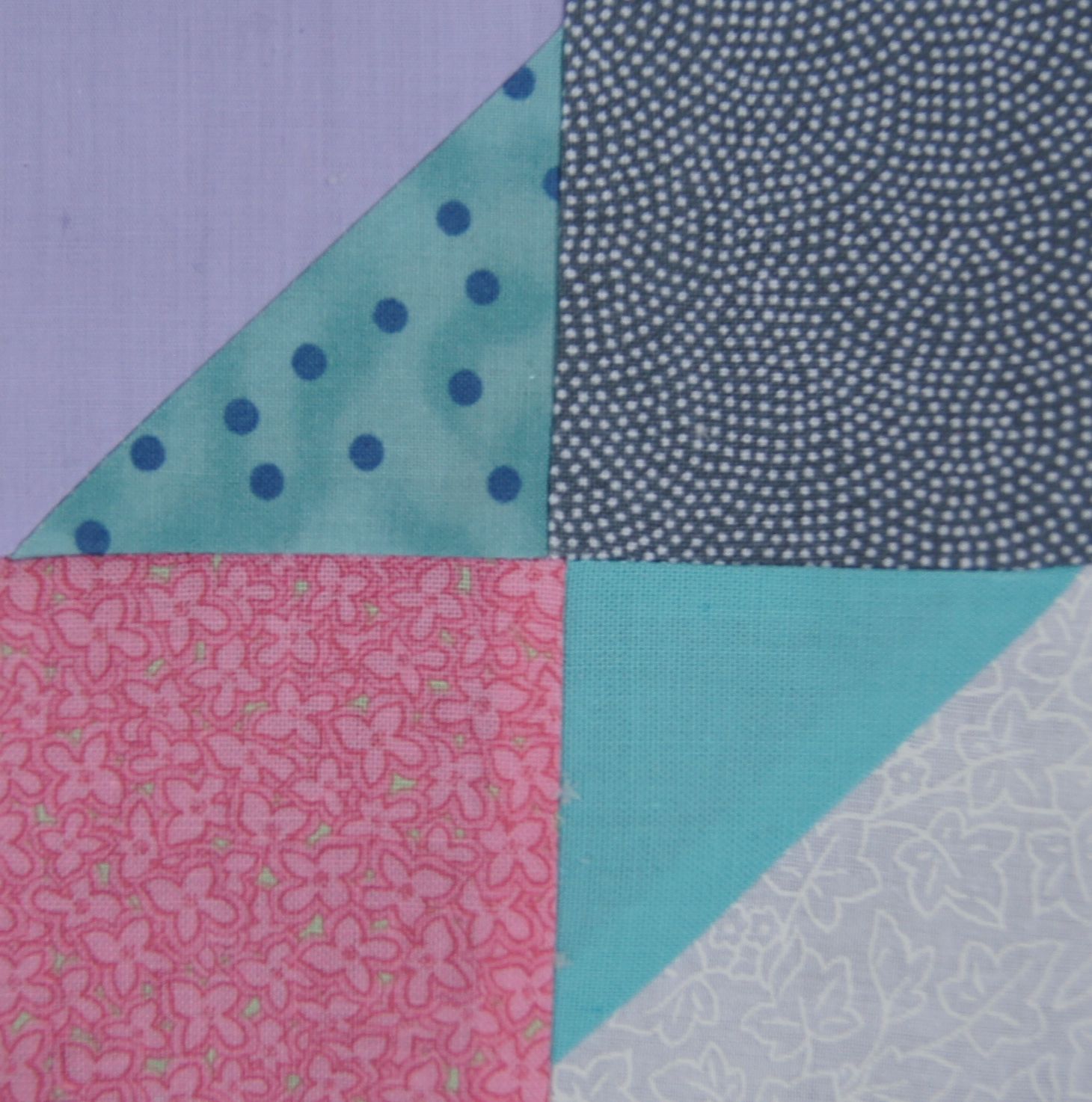
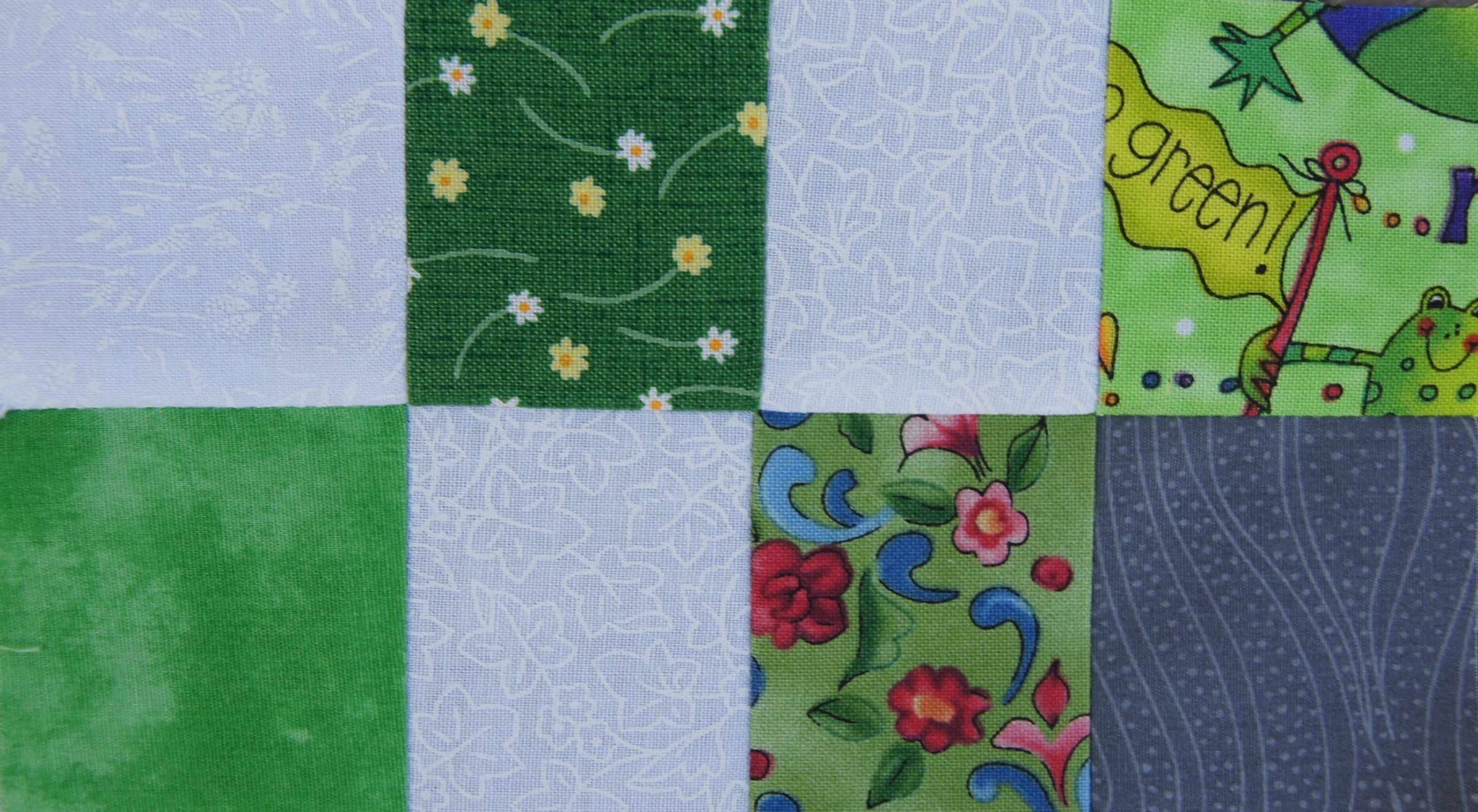
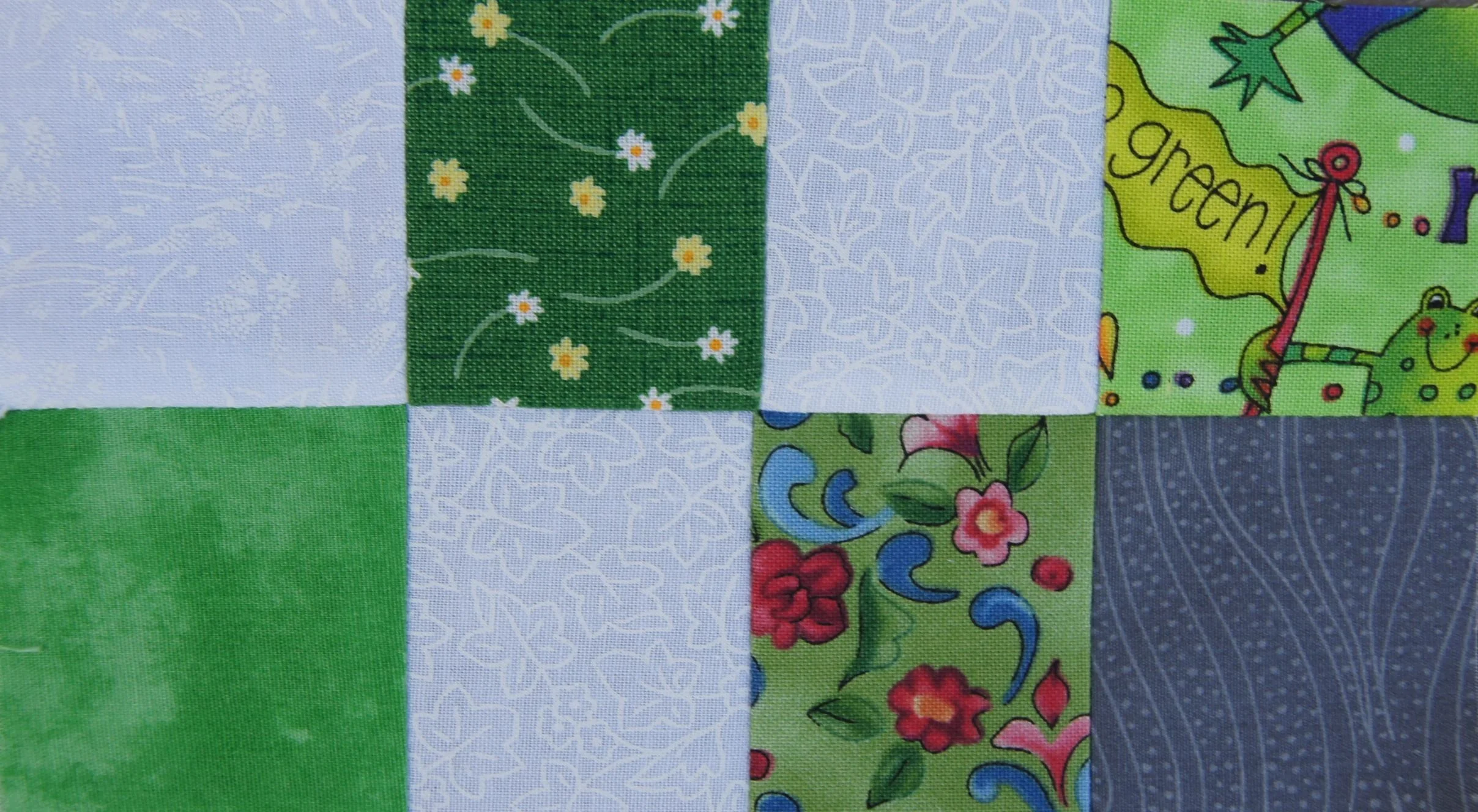
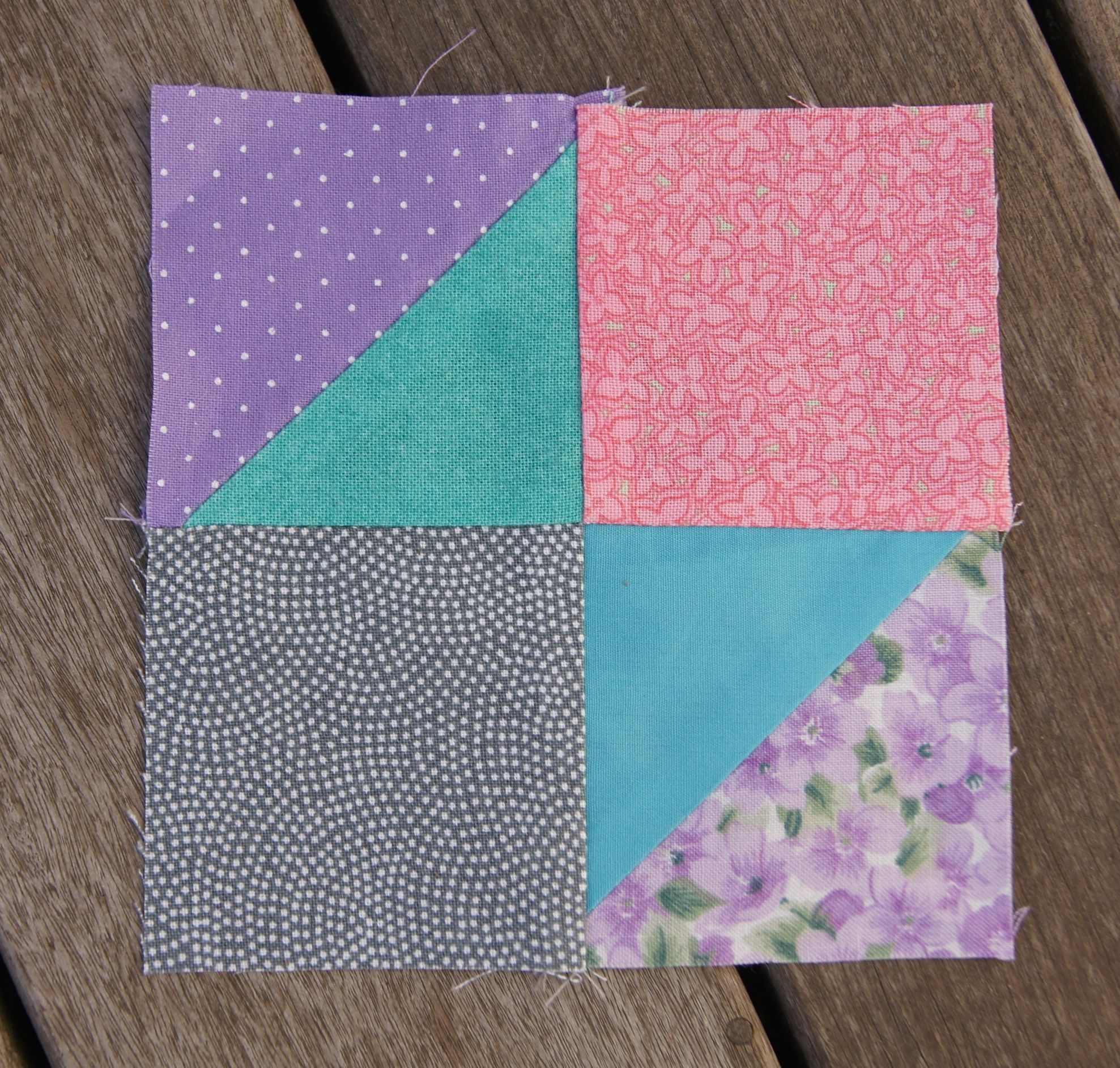
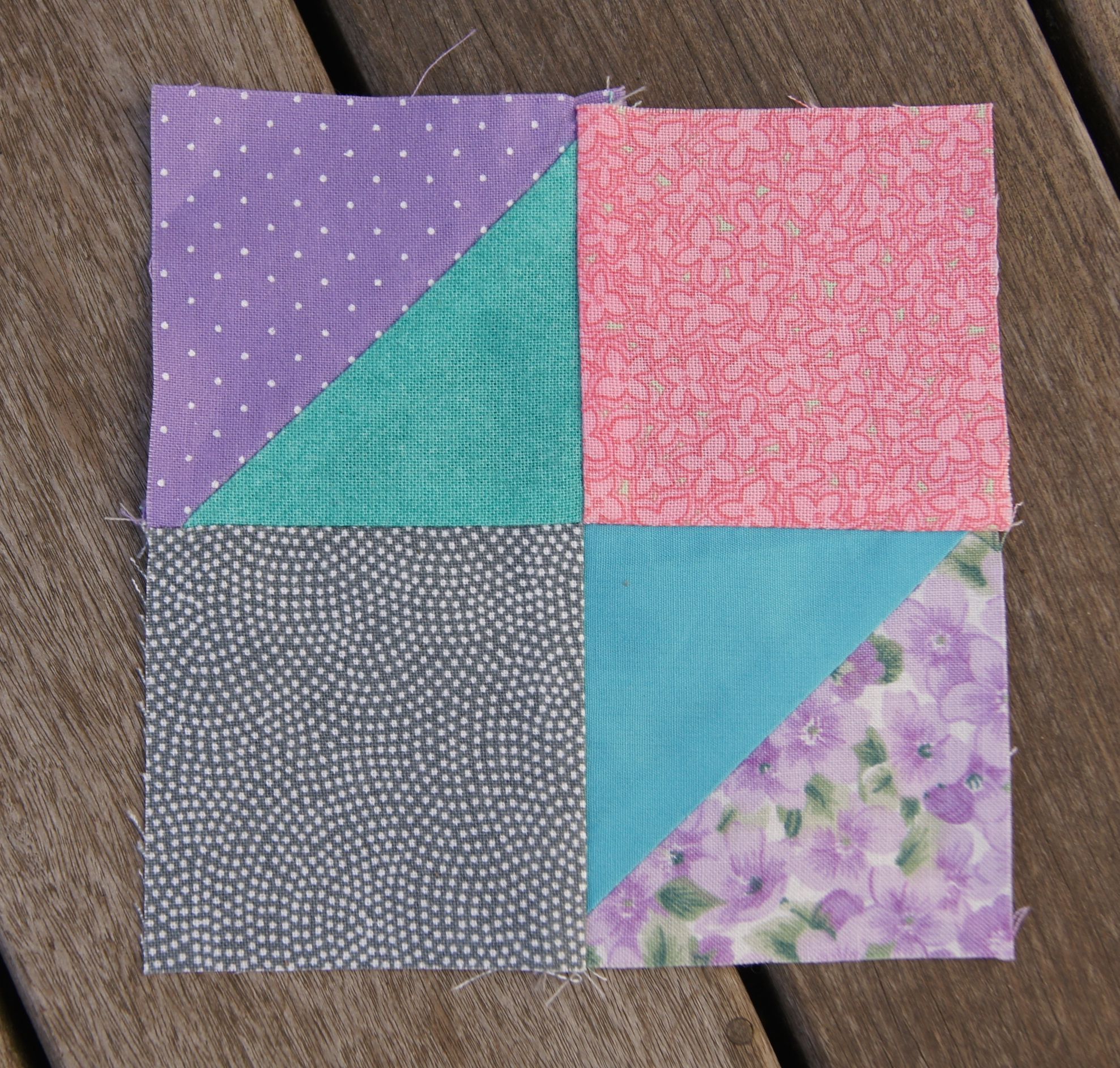
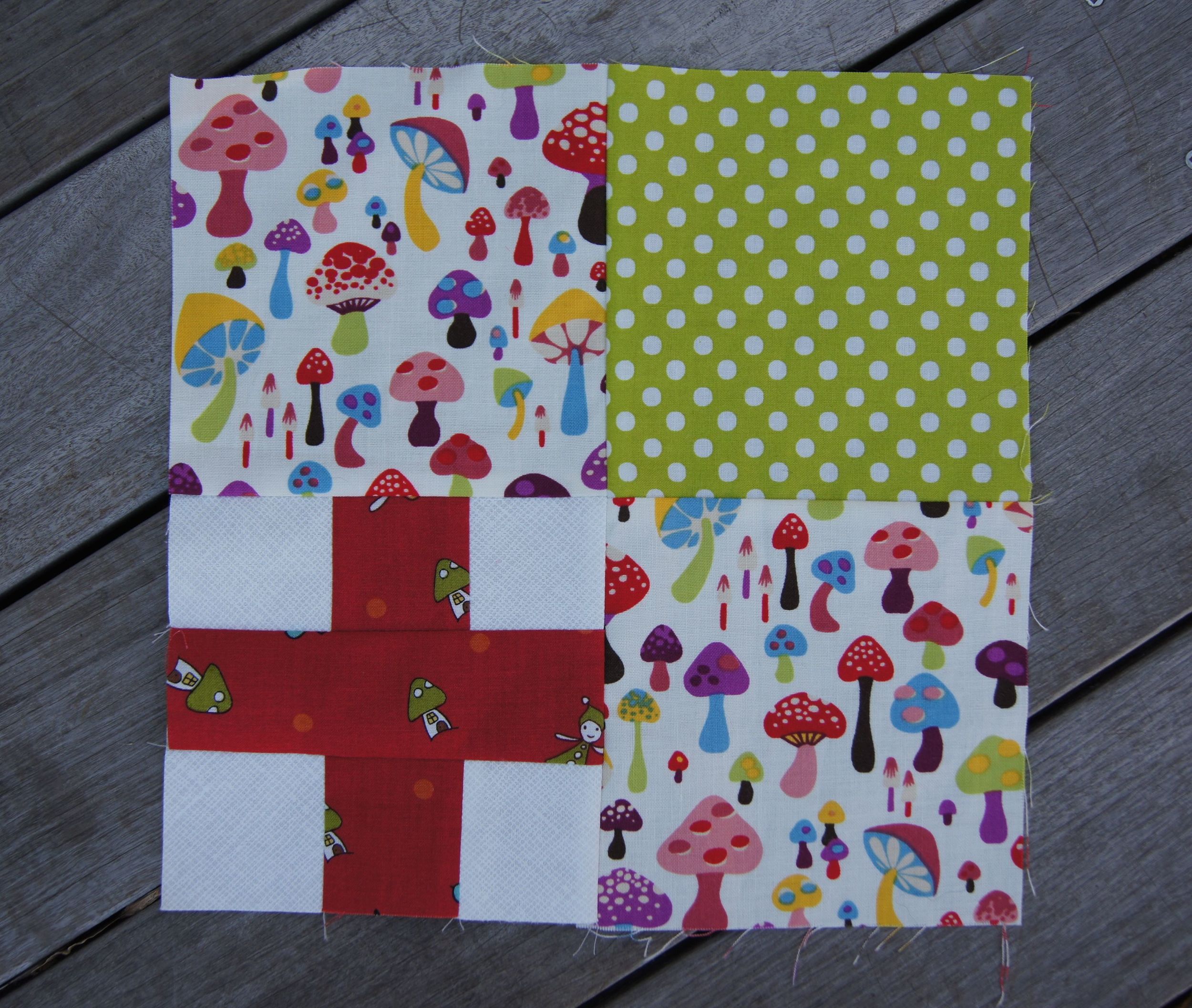
Hard to believe we are already on Part 5 (and week 5!) of Bonnie Hunter's Winter Mystery Quilt. This week's assignment was straightforward 4 patch blocks. 

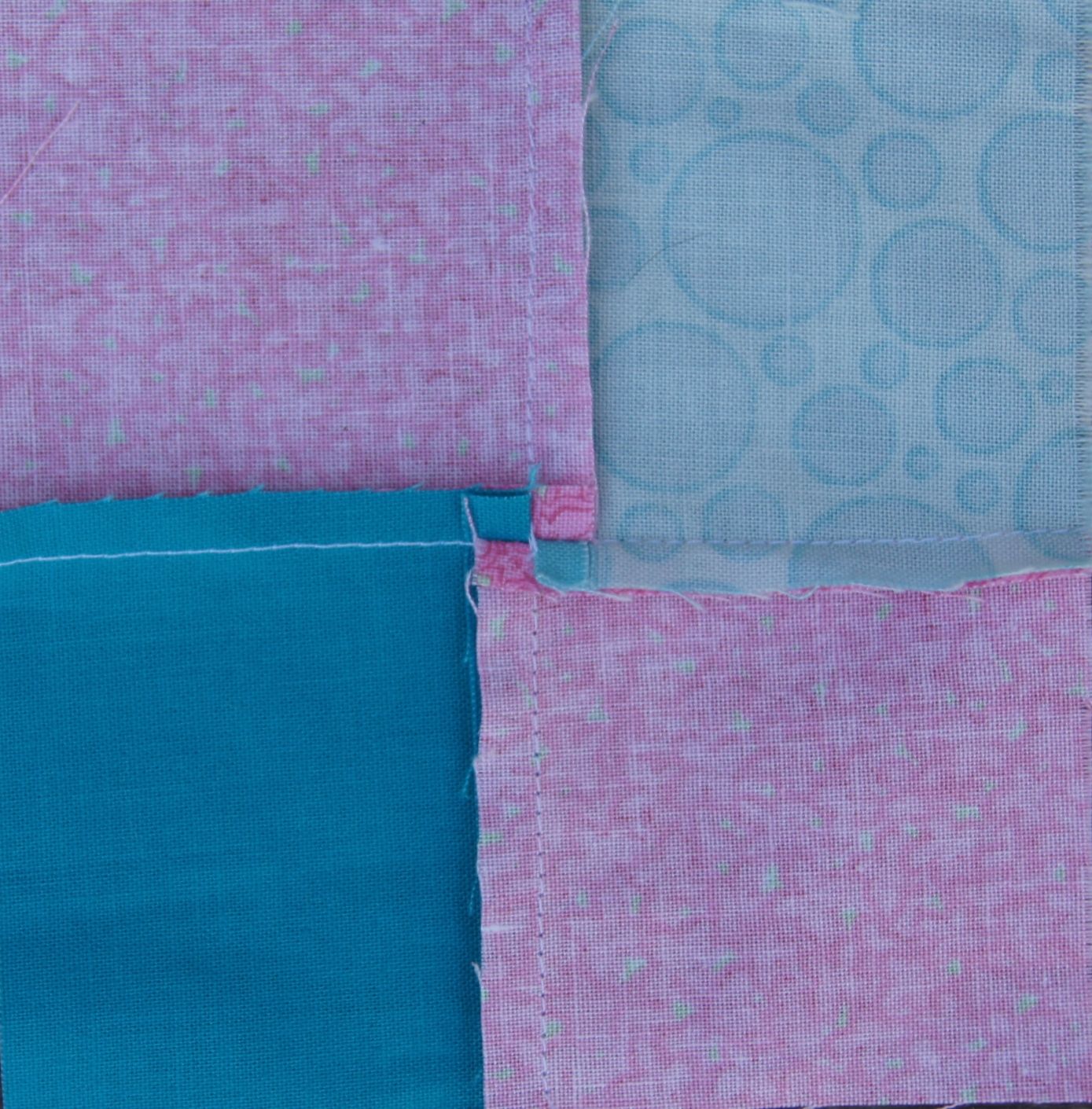
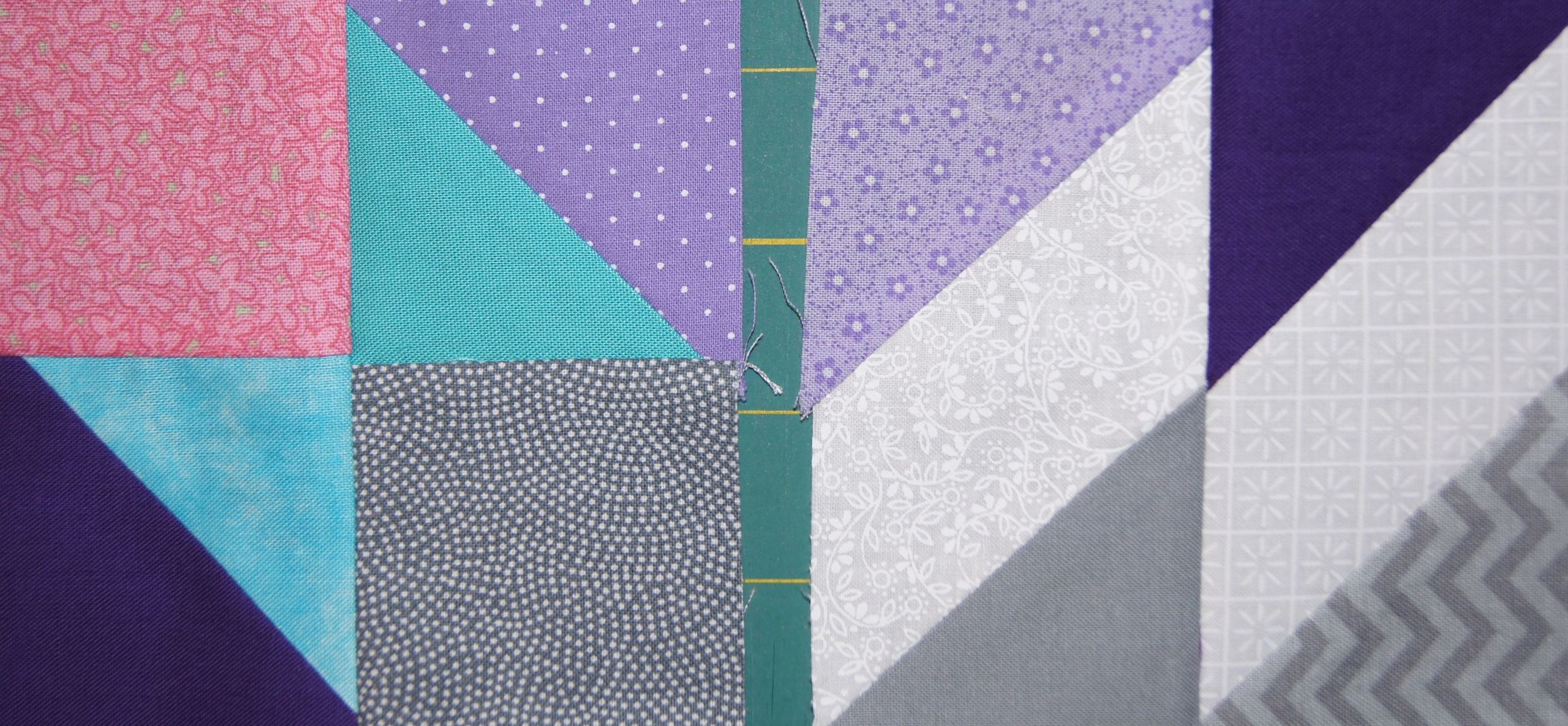
I spun the seams on the back of these blocks.  They were easy to spin. It was almost as if these blocks wanted to spin!  I do like those tiny 4 patches which appear when the seams of a block are spun.  But the sad thing is, only you know they are there!  Unless of course, the quilt survives to a grand old age, starts to wears out and someone in a future generation decides to take it apart!  


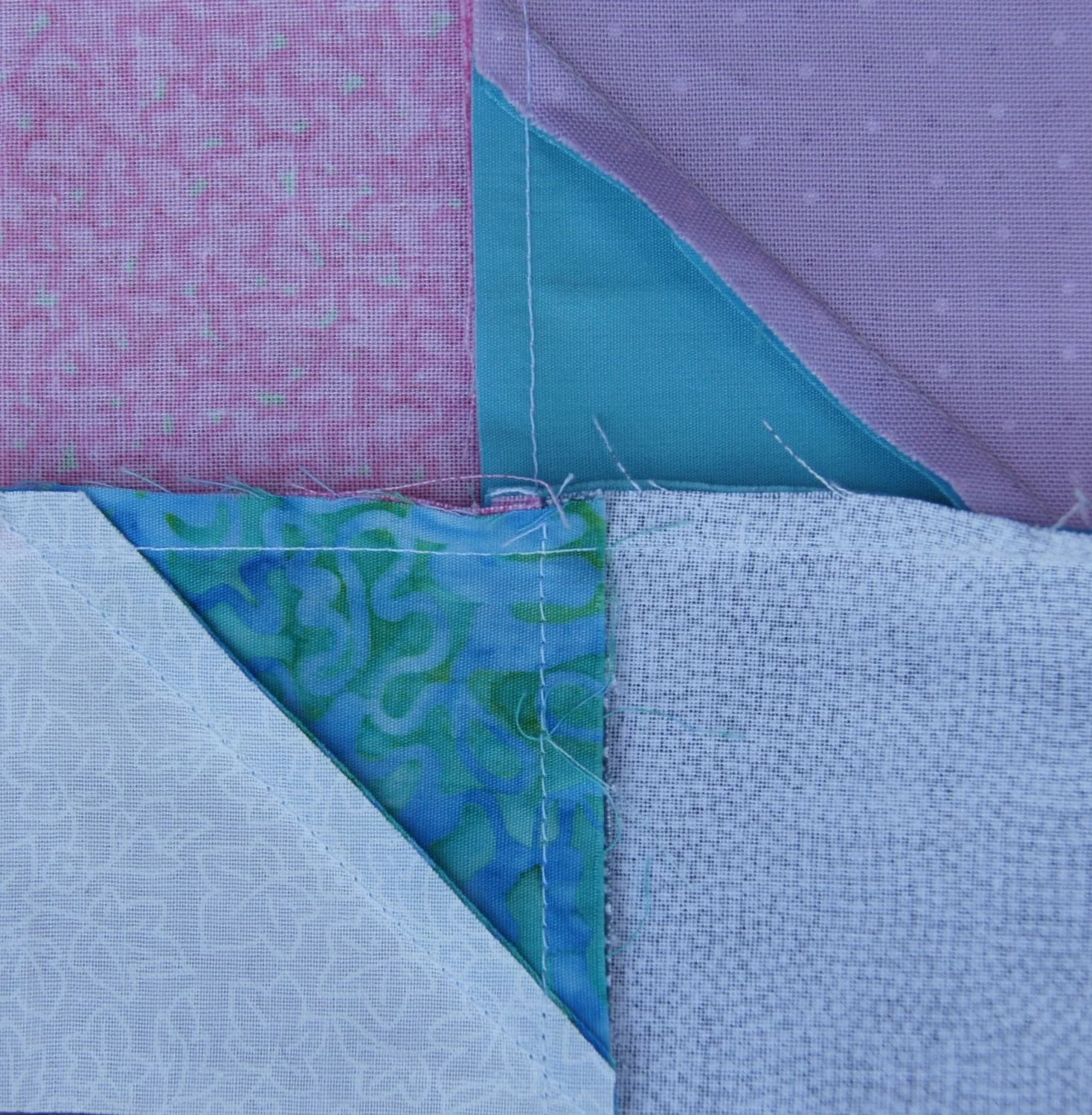
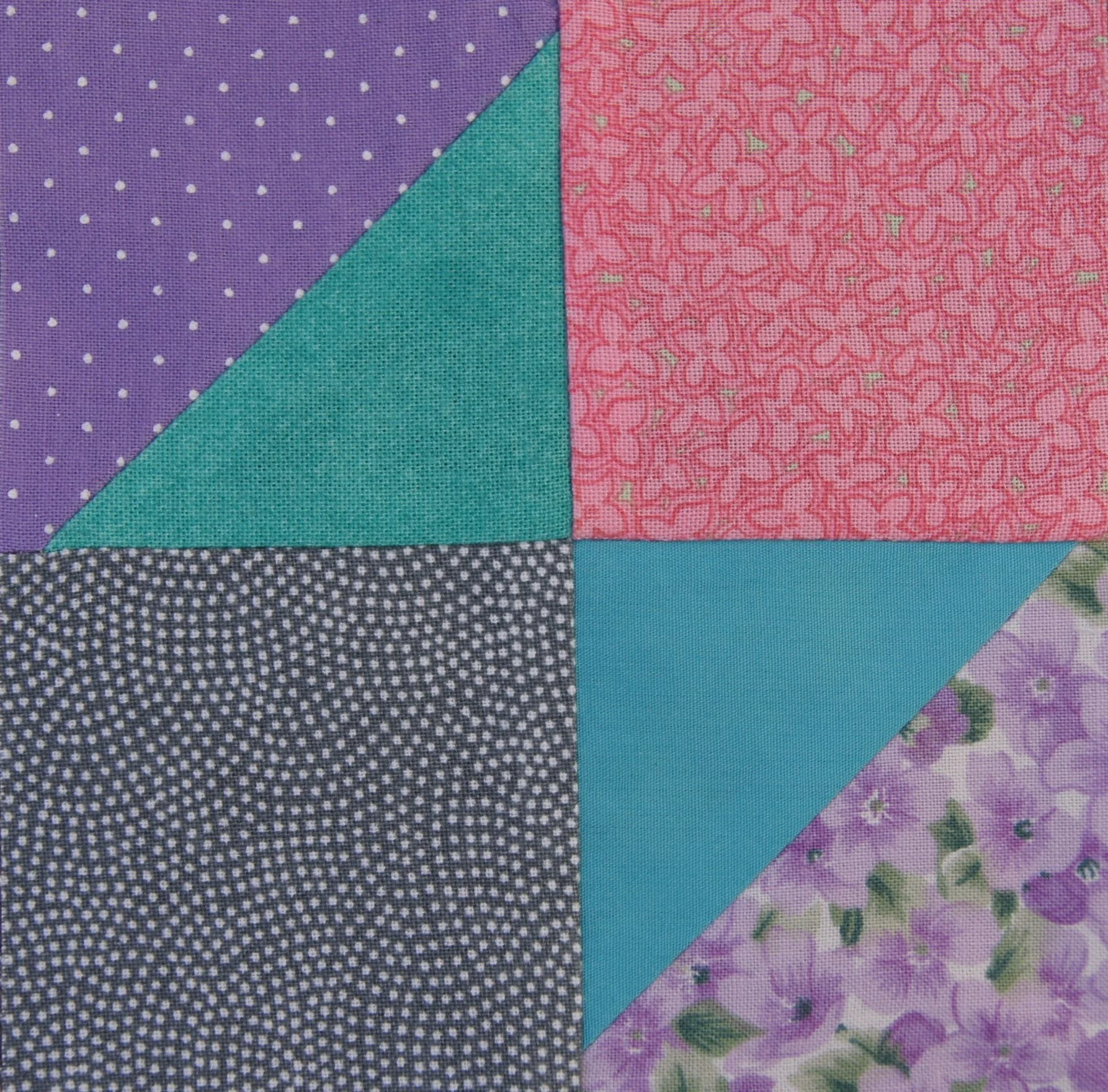
I tried to spin the seams in the pieced blocks in Part 4.  That was a struggle.  I finally decided they were better pressed without spinning.  


I suspect that we probably have made most, if not all, of the blocks needed for this quilt. I think there might just be some serious sewing activity on New Year's weekend!  I can't think of a better way to start off 2015!


Mystery Quilt! Bonnie Hunter's Grand Illusion Part 4

by Judy Tucker


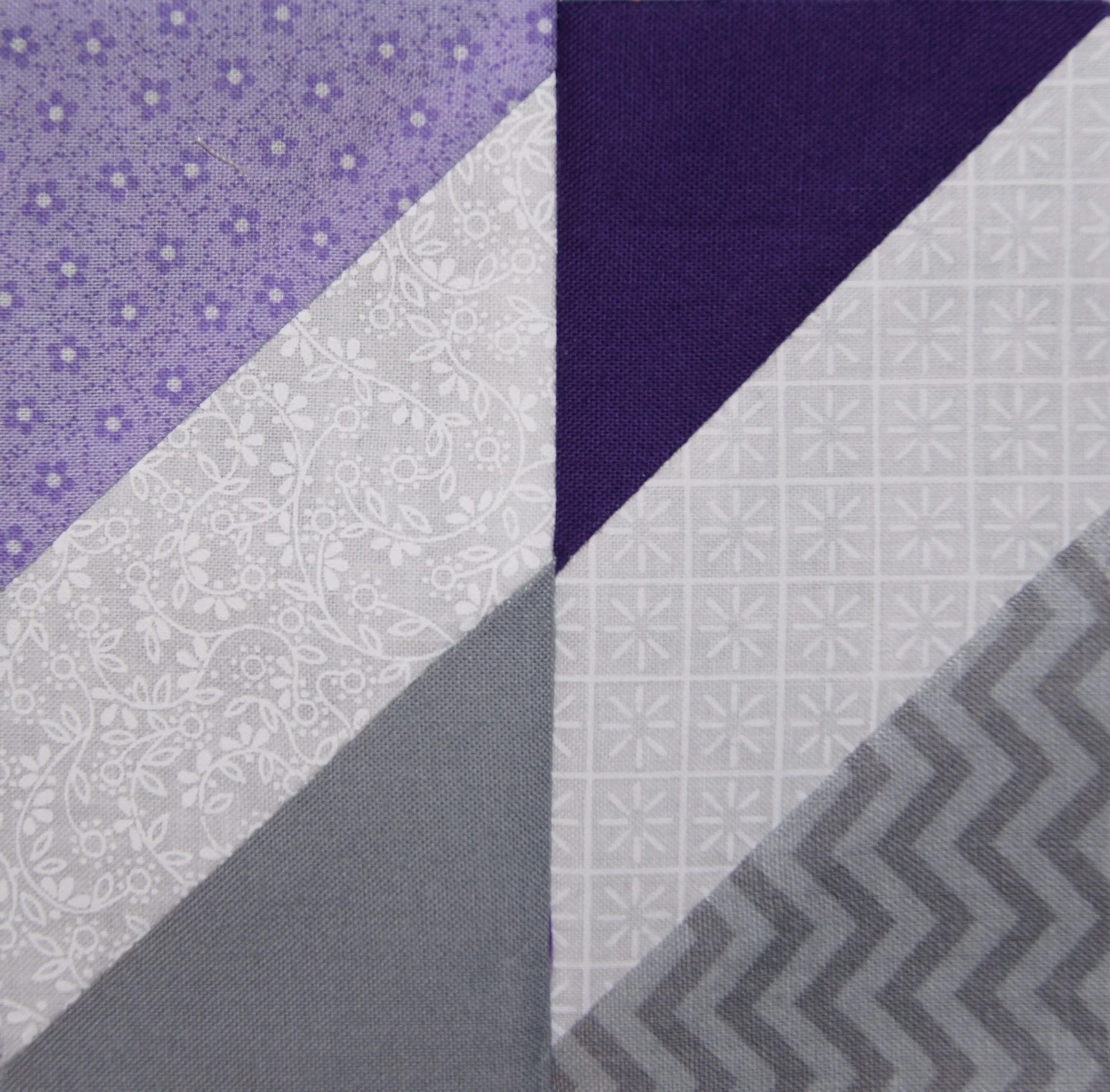
It was so great to read Bonnie Hunter's instructions for Part 4  and finding that part of this step was done back in Part 1.  Bonnie is really good about looking ahead at the calendar and planning the work so that the week of the major holidays there is less sewing time needed to complete that week's step.  Thanks Bonnie!
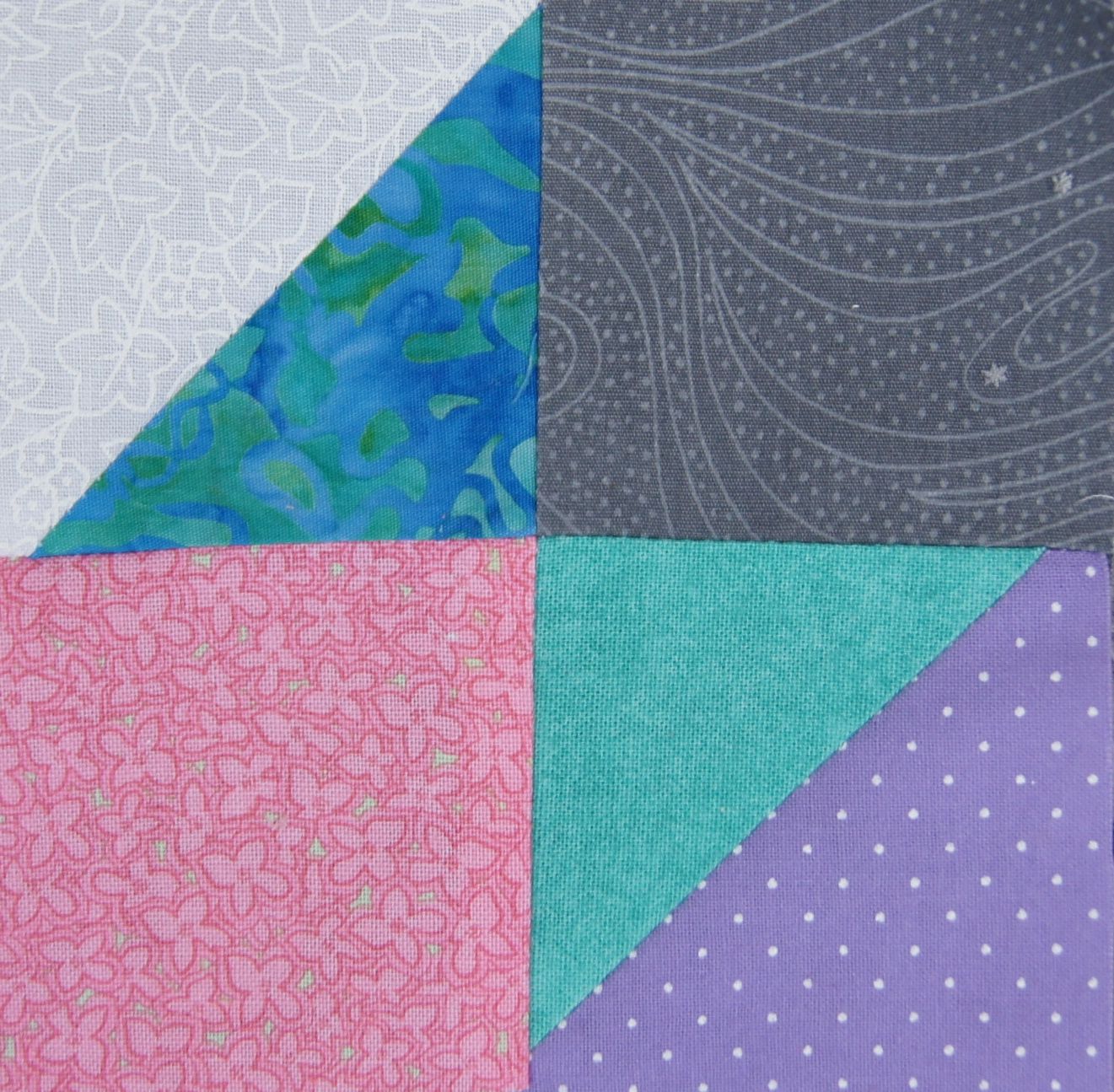
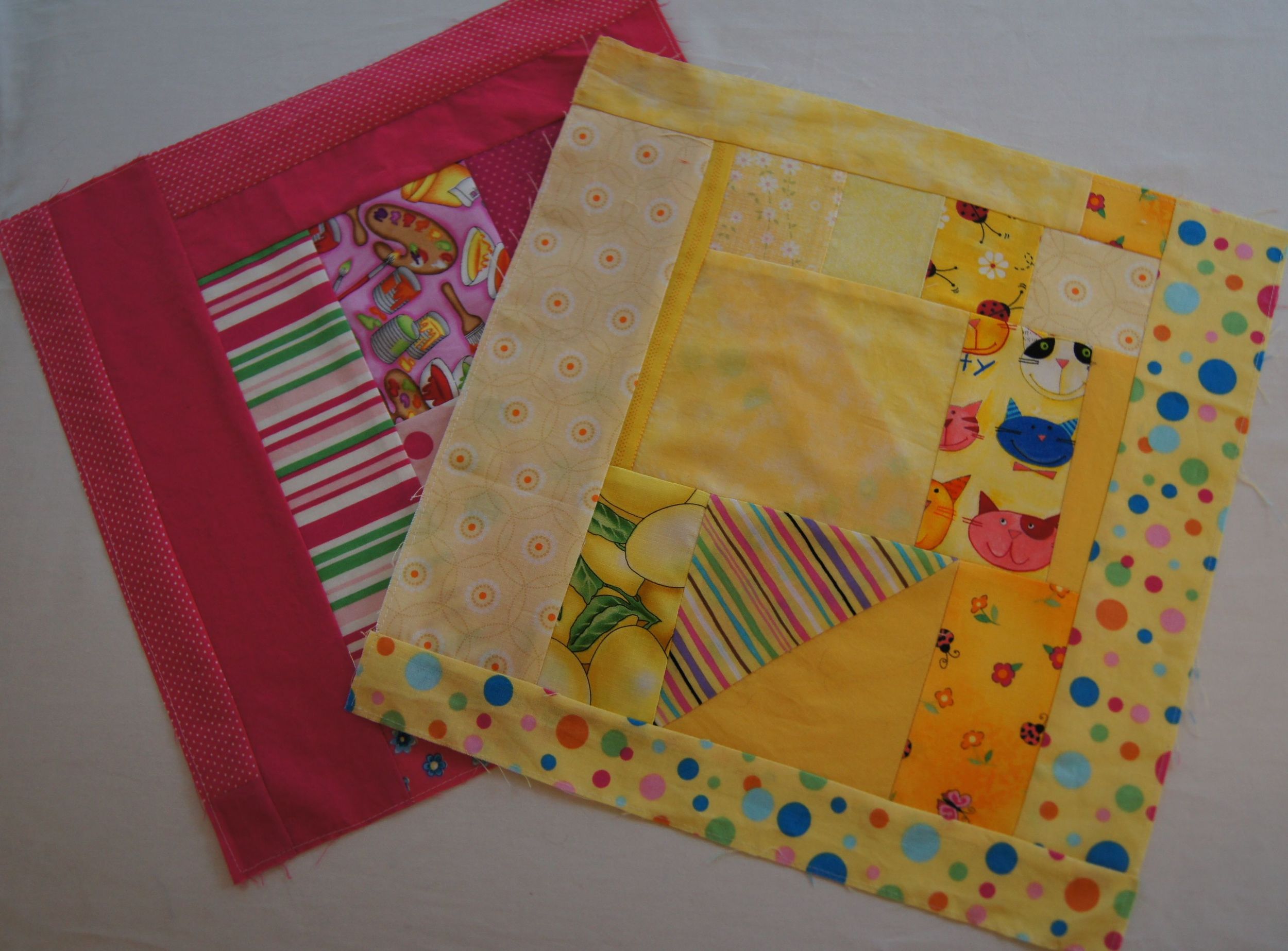
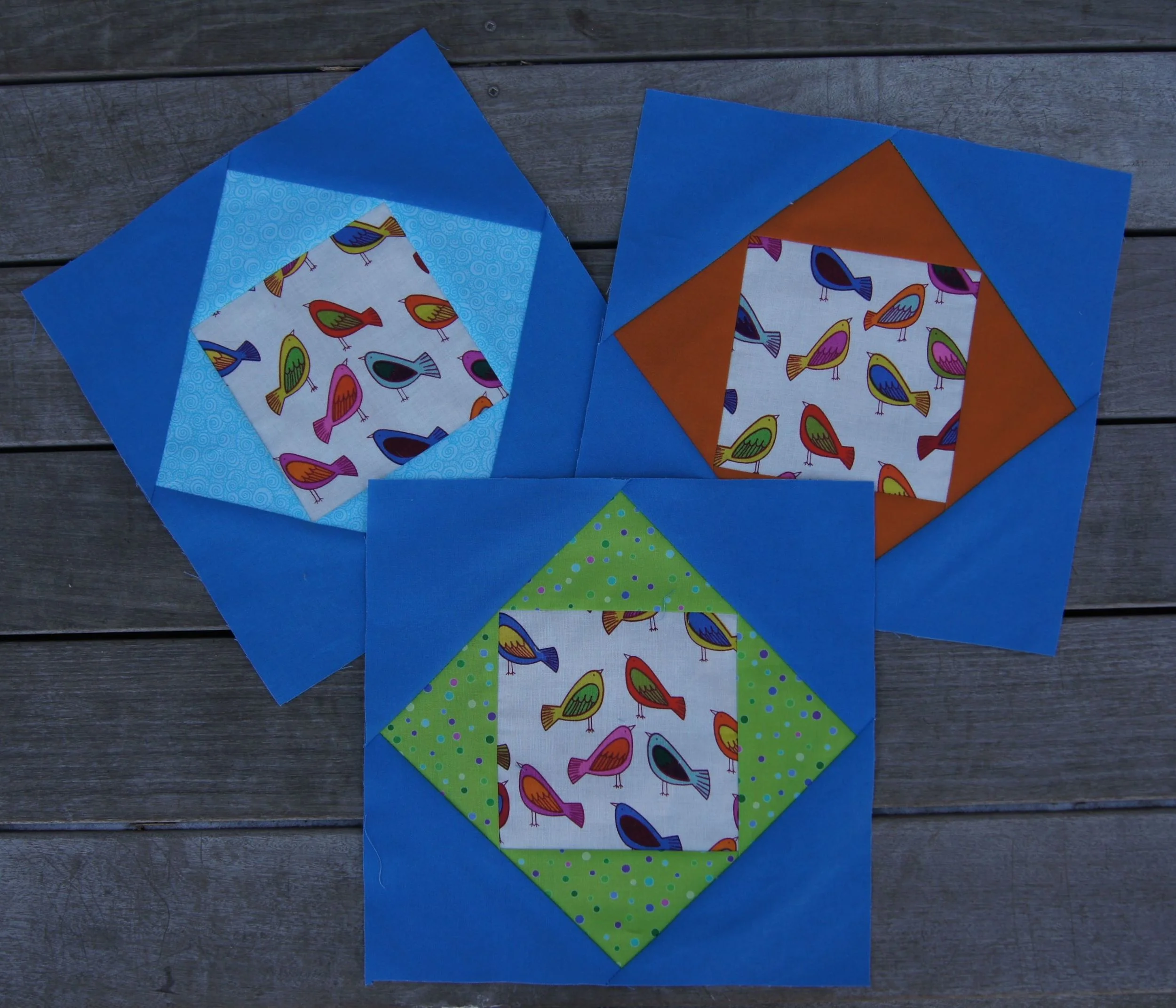
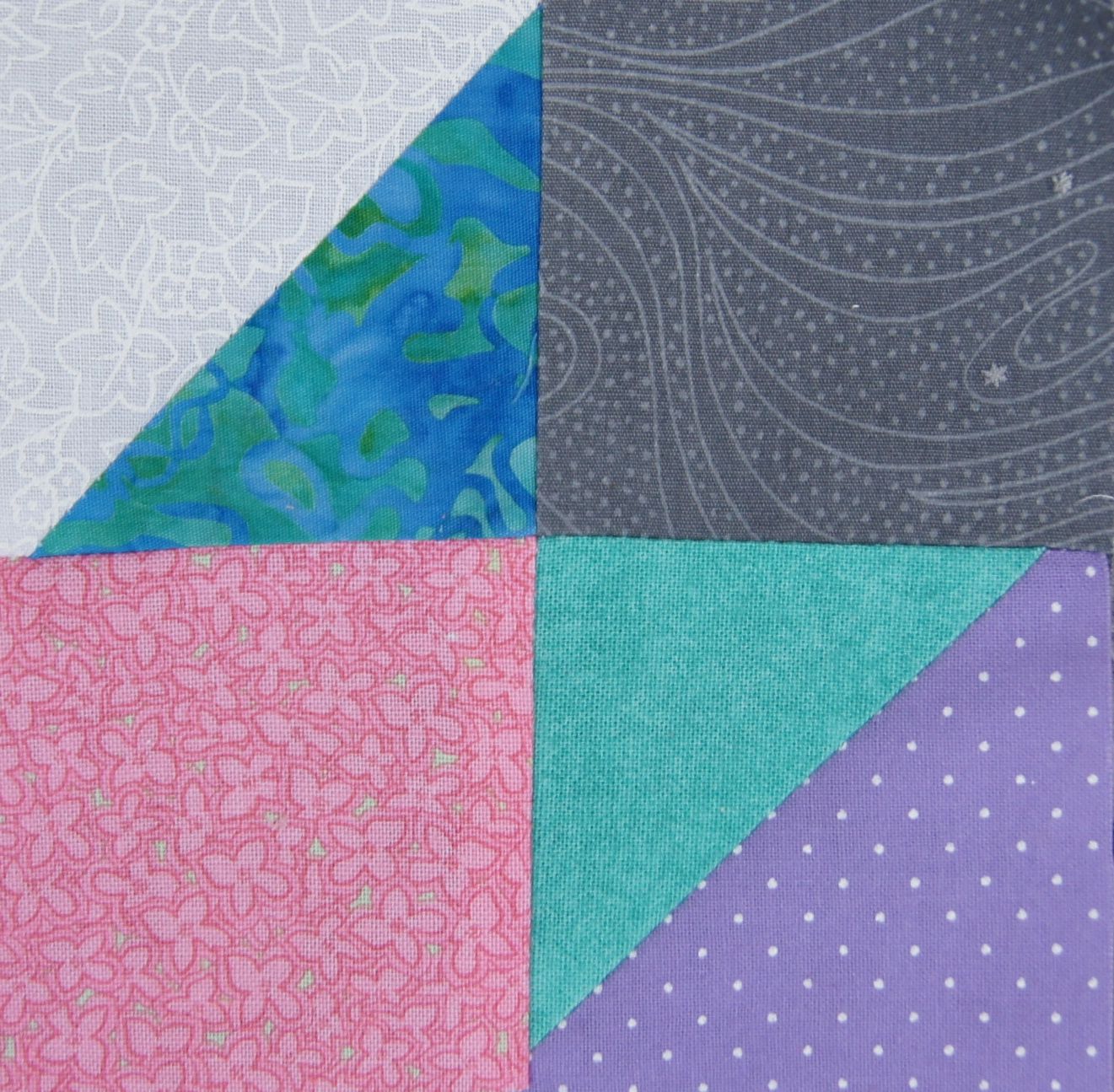
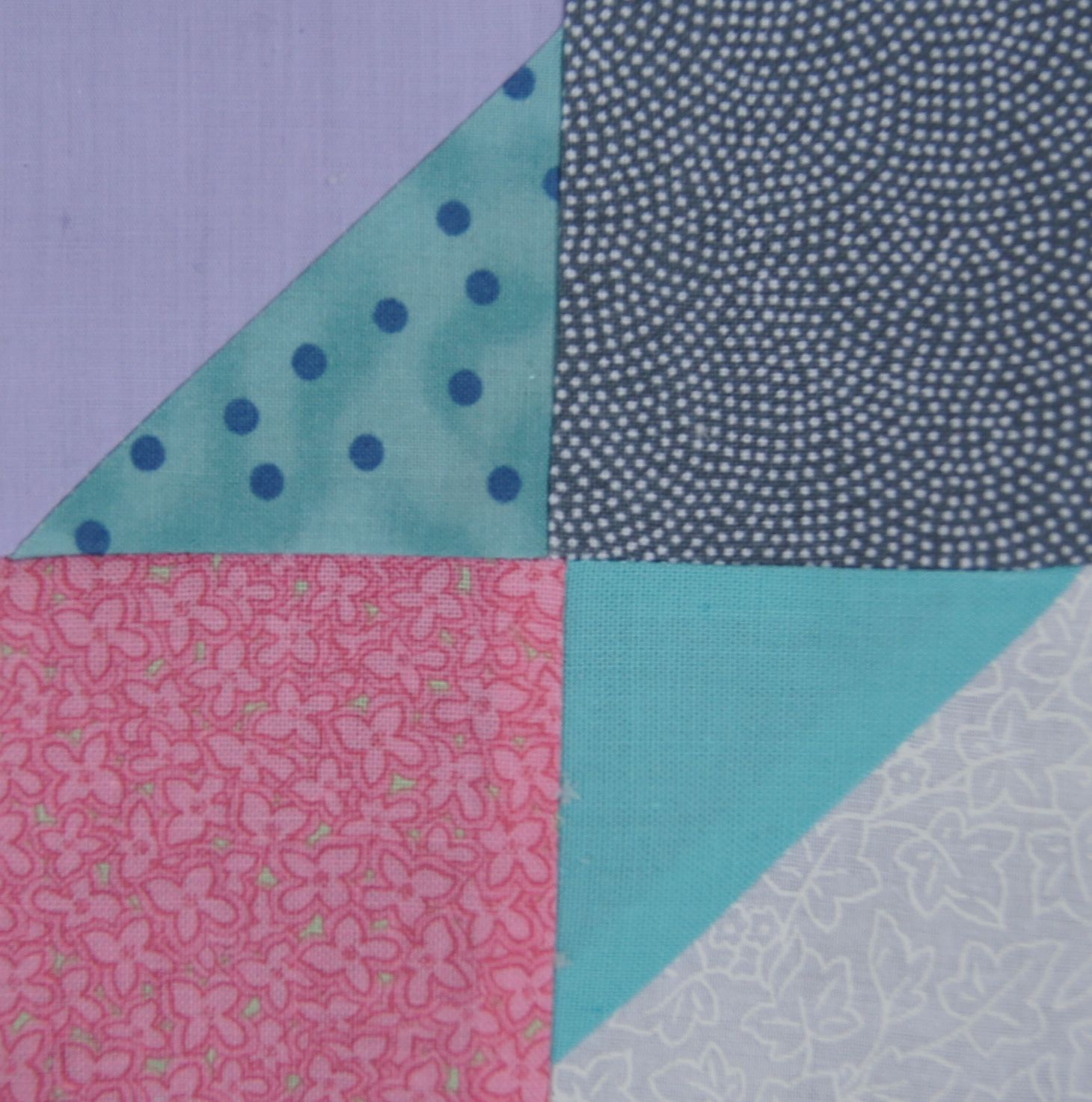
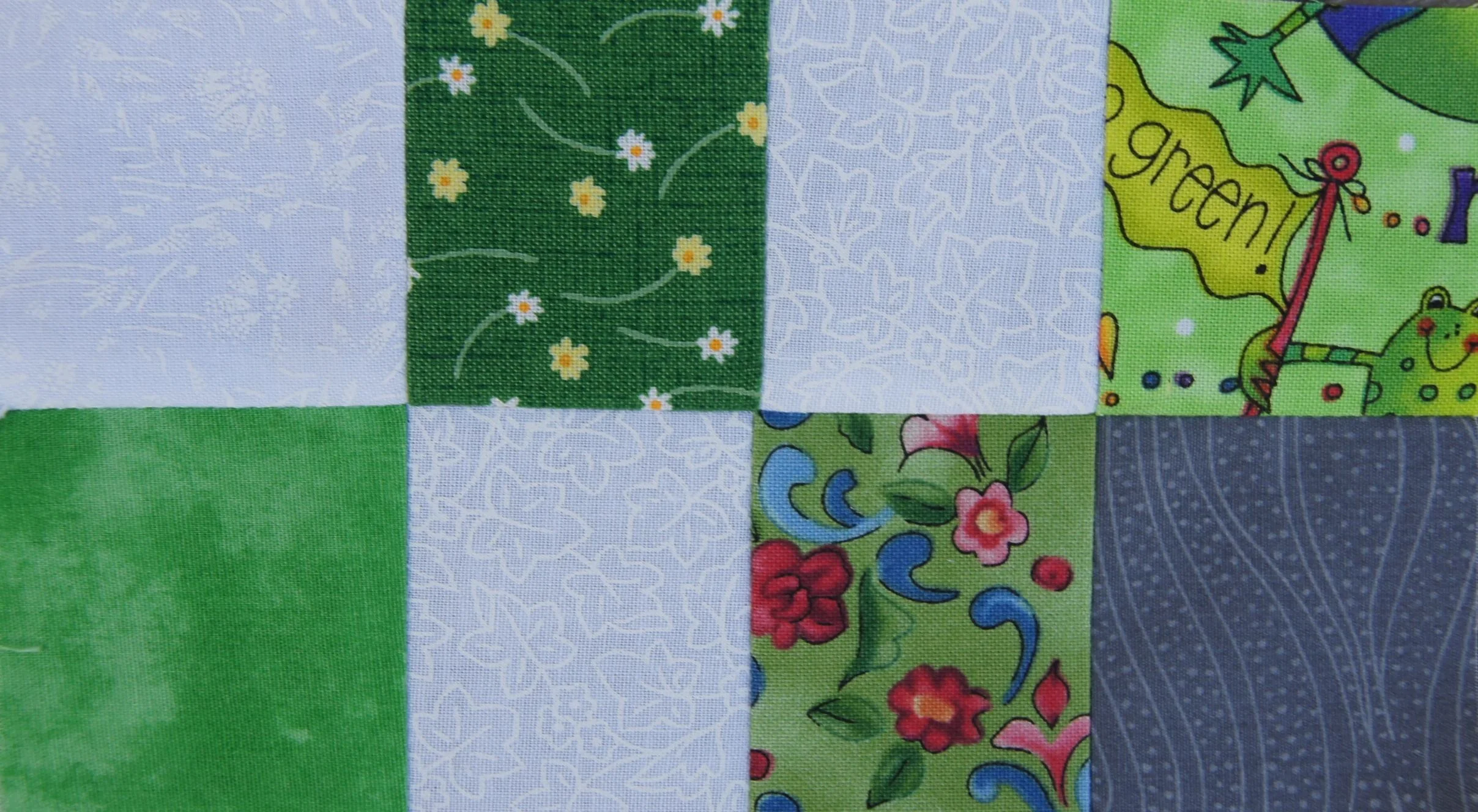
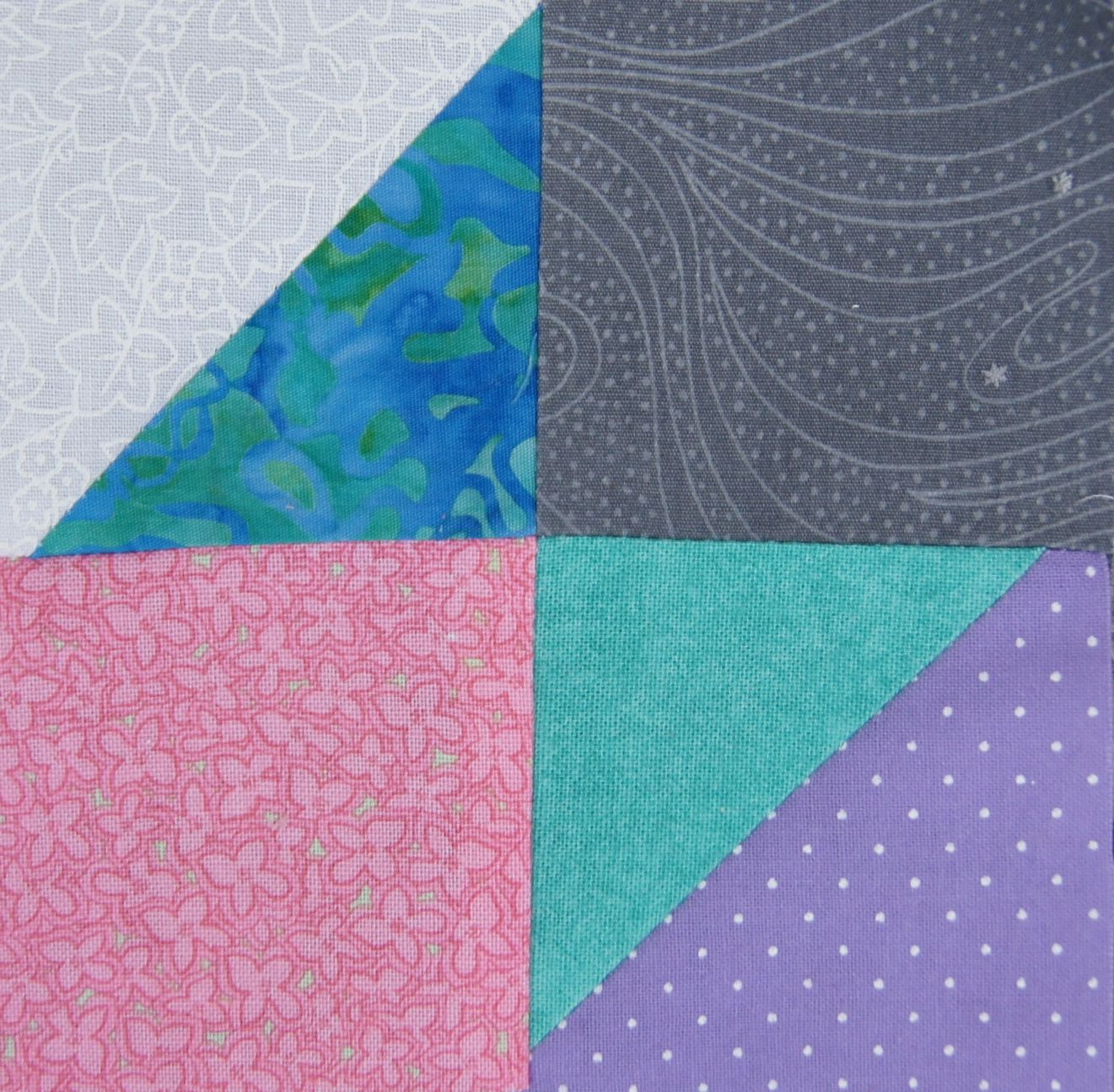
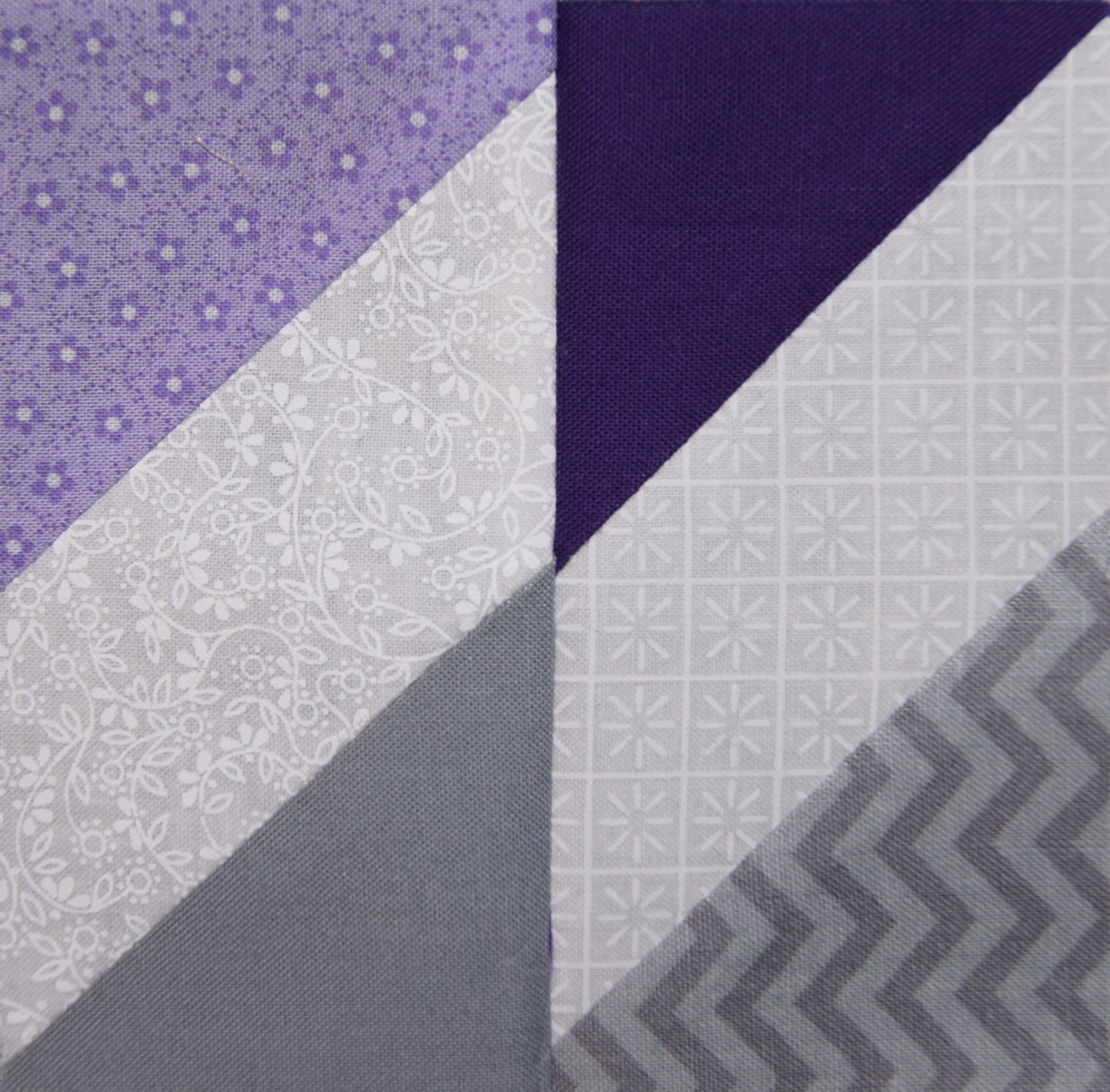
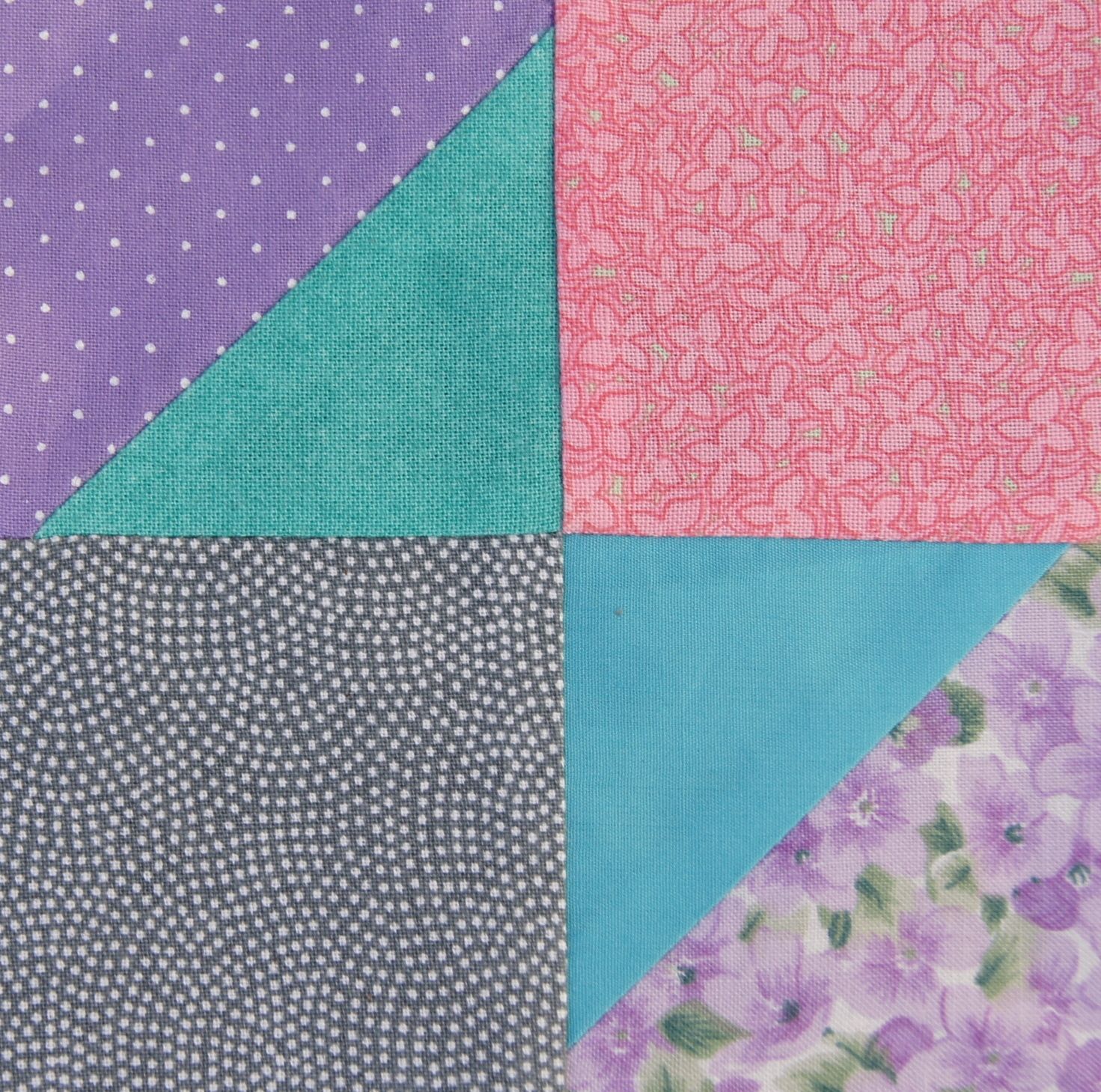
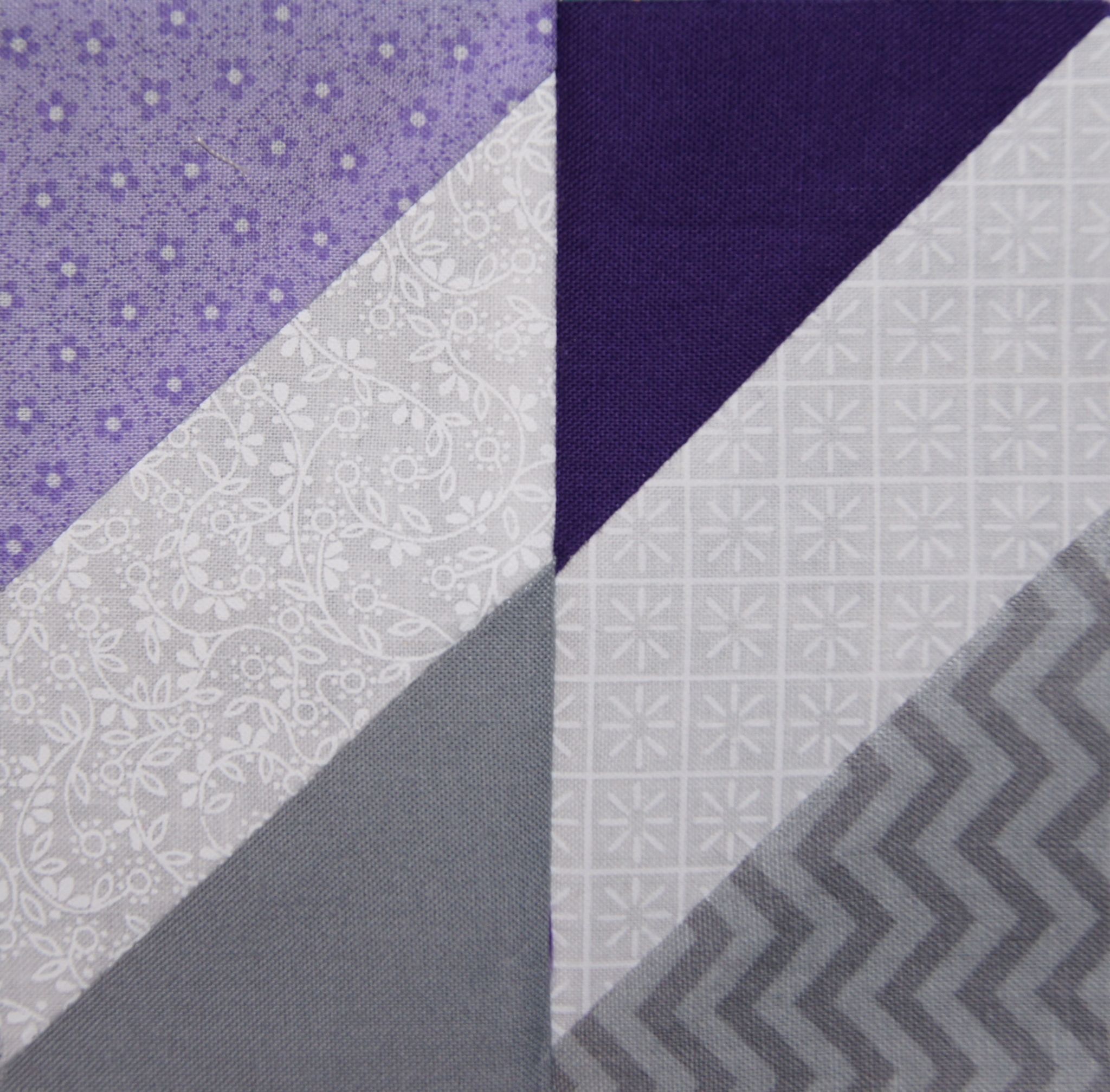
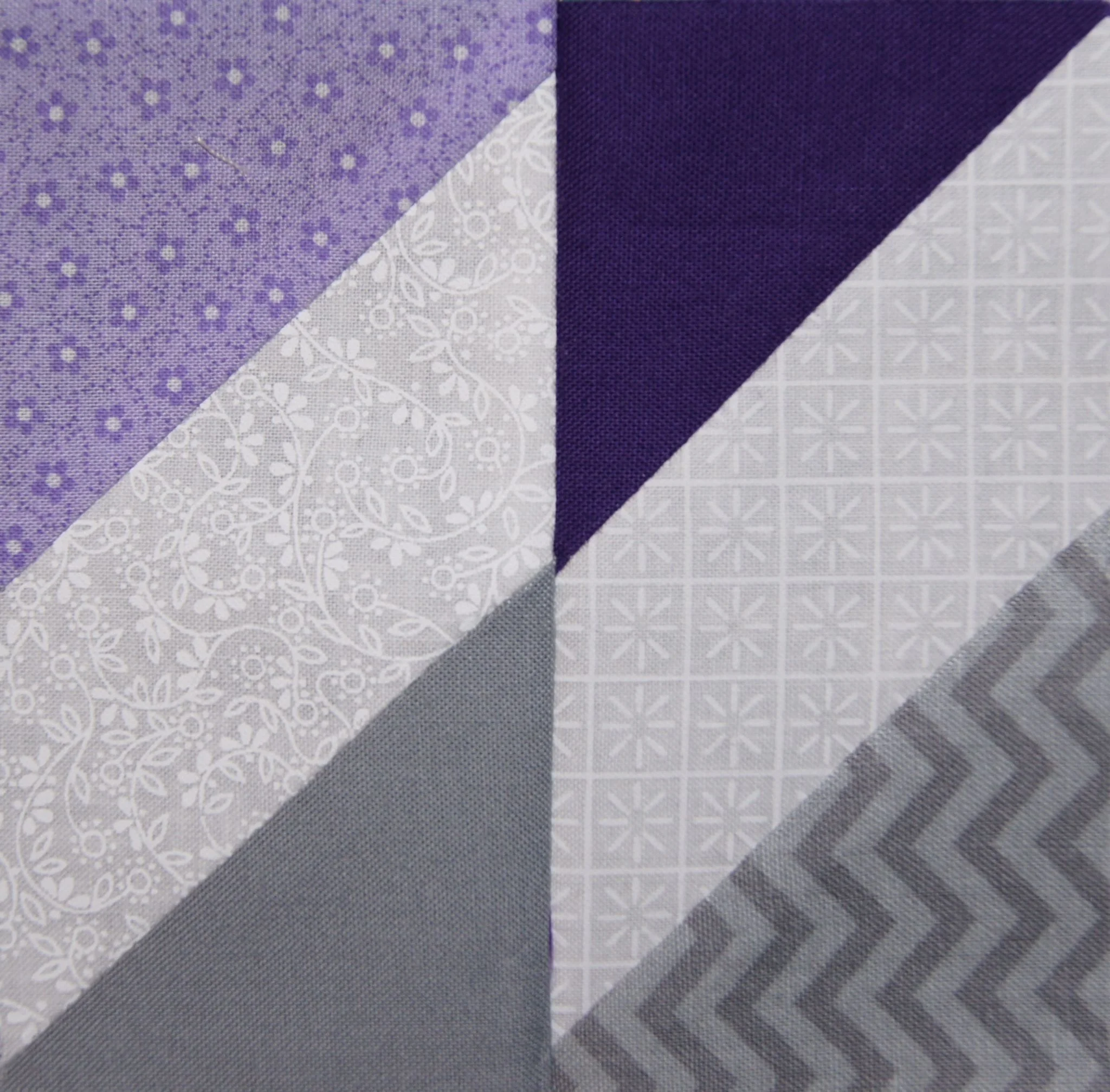
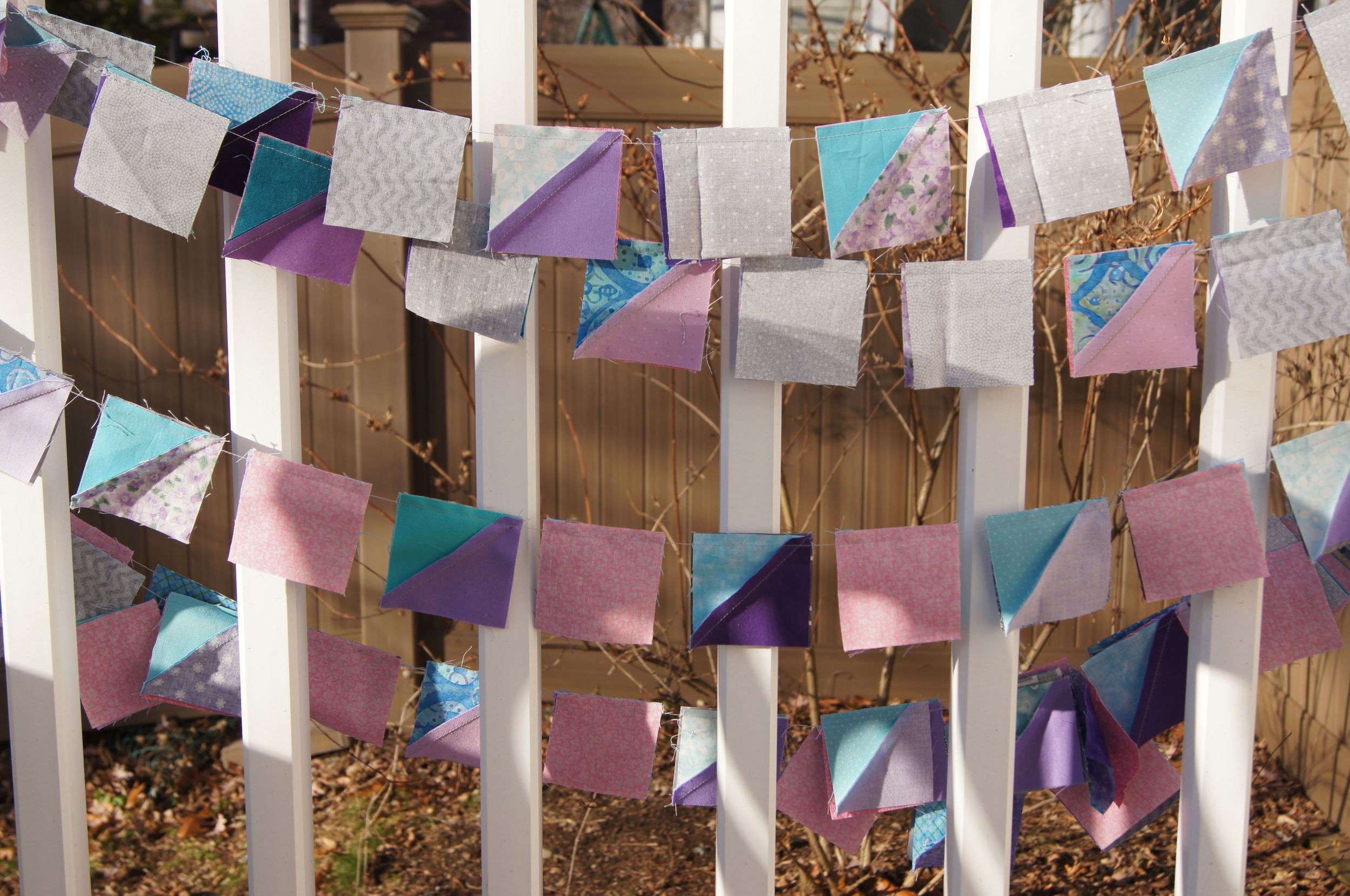
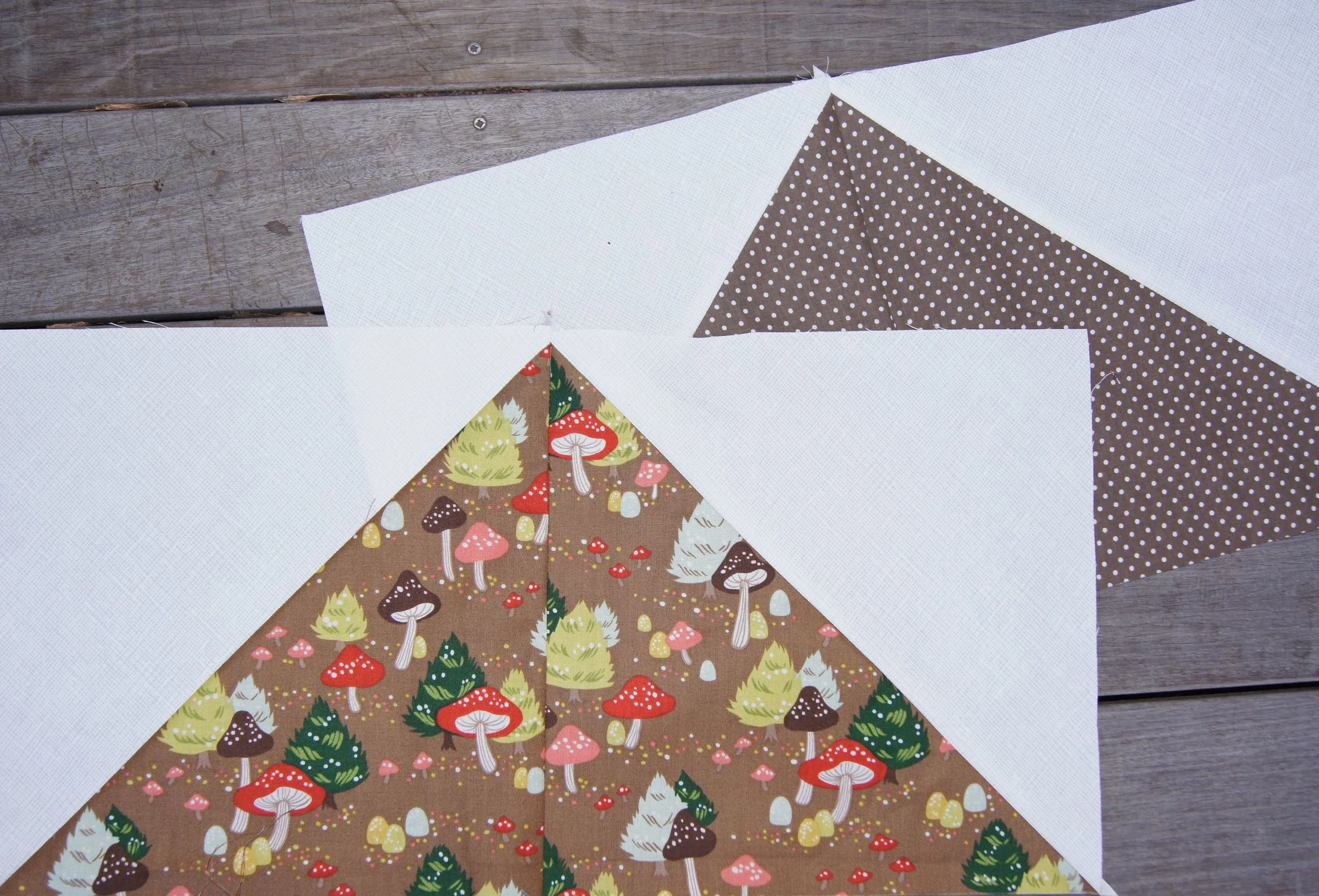
Above are 2 more sets of Broken Dishes blocks.  It was snowing when I took the blocks outdoors to photograph them.  Can you spot the 2 snowflakes on the grey patch of the left hand block? It's such a swirly fabric that the snowflakes look like they are part of the design!

To see how other quilters are progressing, click here to view the Part 4 Linky for Grand Illusion on Bonnie Hunter's Blog.

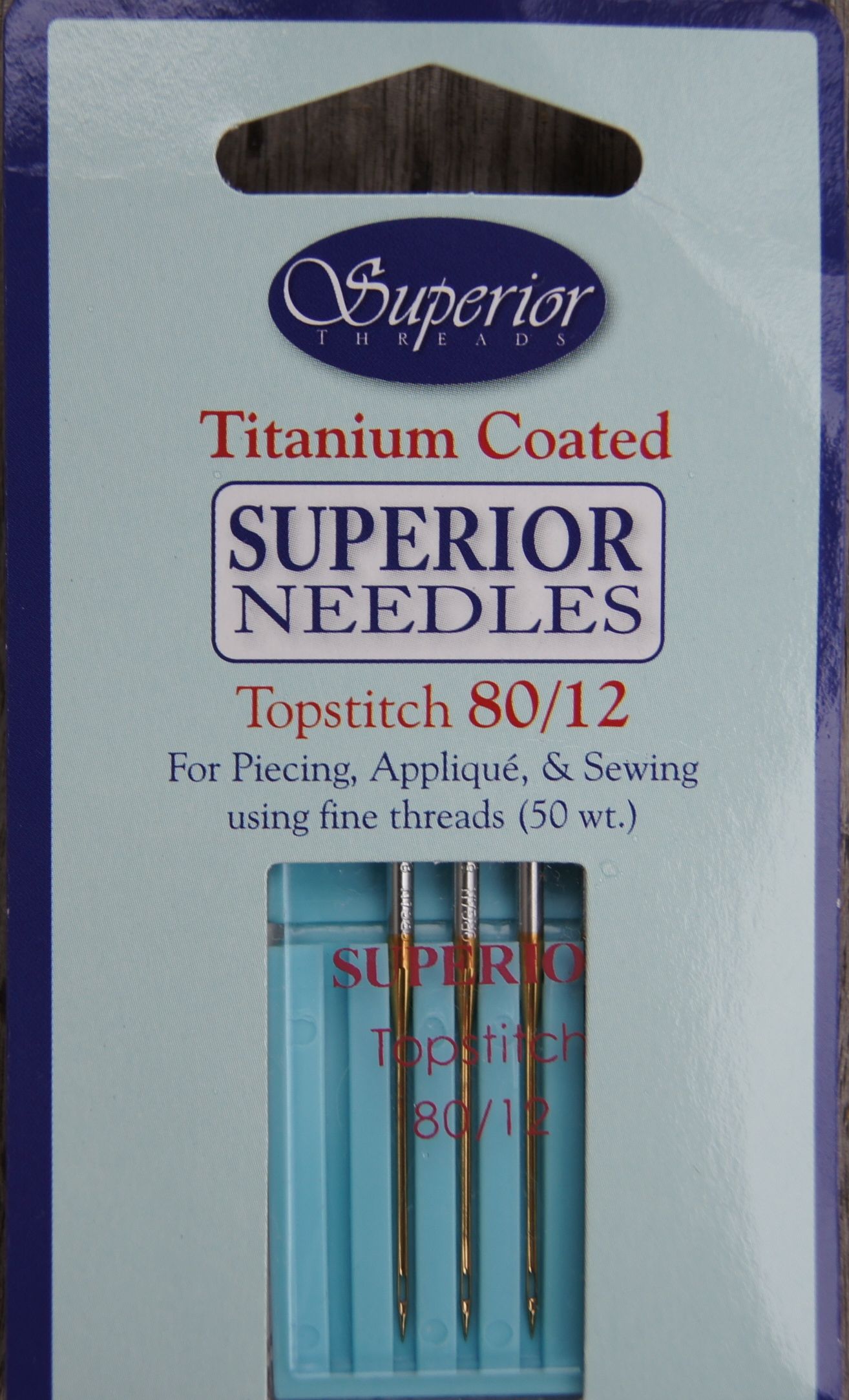
I've tried out some titanium coated sewing machine needles this past week.  I have always used Schmetz needles and have been very happy with them.  But I had heard good things about titanium coated sewing machine needles so I purchased some Superior Titanium Coated Needles to give them a try.  I used a Topstitch 90/14 needle to do some quilting and really didn't see any difference.  But I was amazed at how beautifully the Topstich 80/12 worked for piecing.  The needle moved so easily and smoothly through the fabrics.  The eye of the needle is larger than most sewing machine needles so threading the needle is really easy.  

I'm not giving up my Schmetz needles.  I still really like them a lot.  But I'm happy to know about the Superior needles. With the titanium coating, they are supposed to last longer than regular needles.  I haven't used them long enough to comment on that yet.  However, I think using titanium coated needles might make a lot of sense when you are doing a project with lots of piecing-- like this Bonnie Hunter Winter Mystery Quilt!  

For the record:  I don't have any connection with the Superior needle company nor with the Schmetz needle company.  

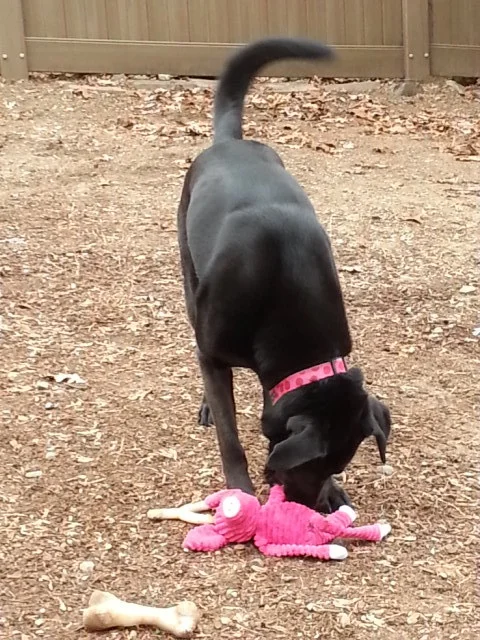
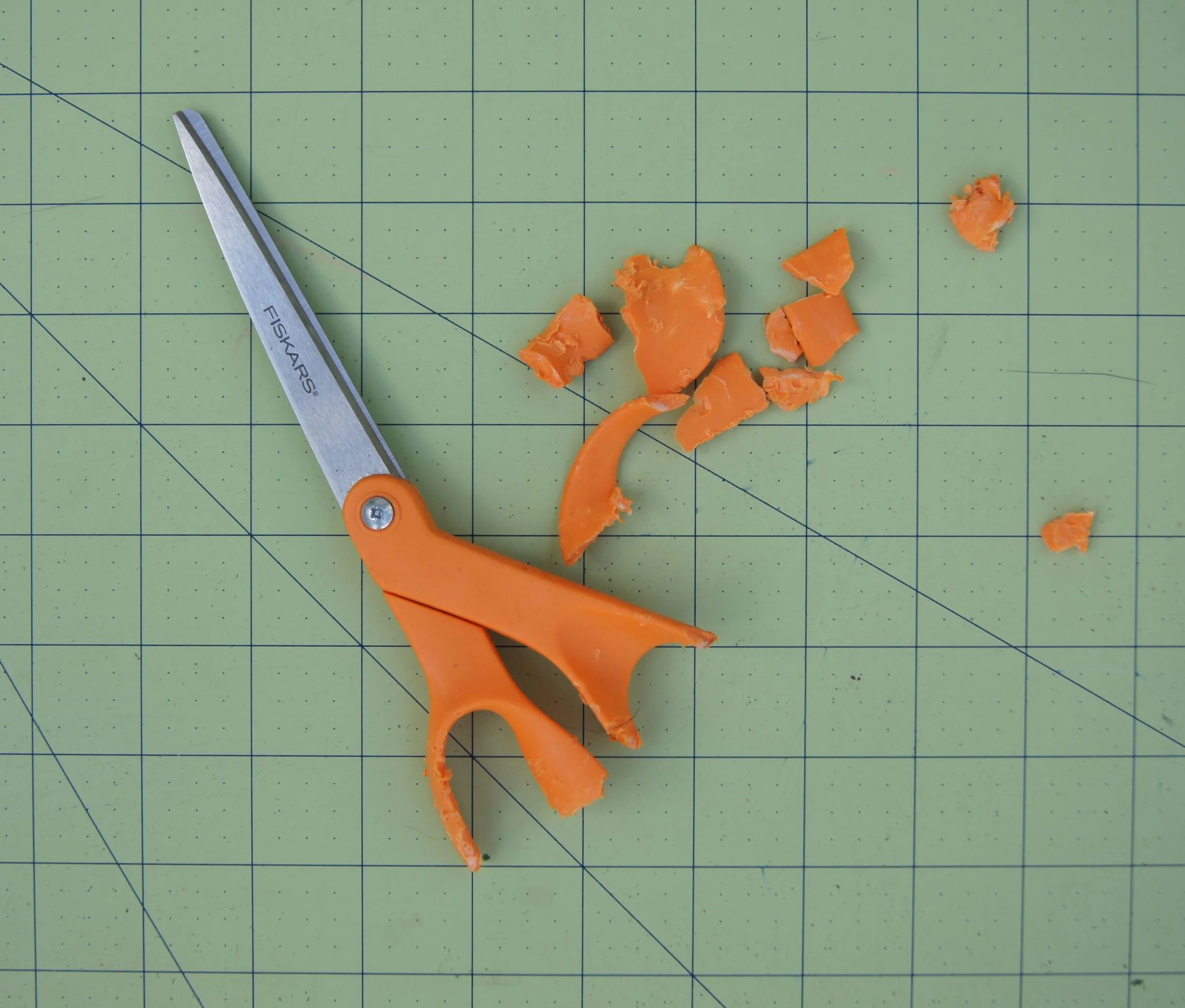
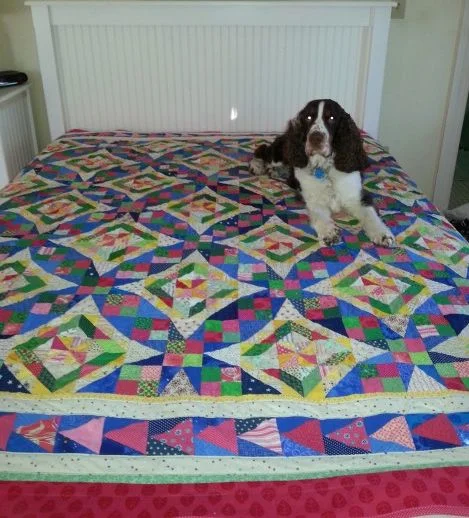
Thanks to everyone who visited my blog last week based on the photo of the scissors destroyed by my dog Hazel!  I enjoyed your great comments and appreciated your commiseration!  Hazel is well, no harm done to her.  I don't think she even swallowed any of the pieces from plastic handles she chewed up!  

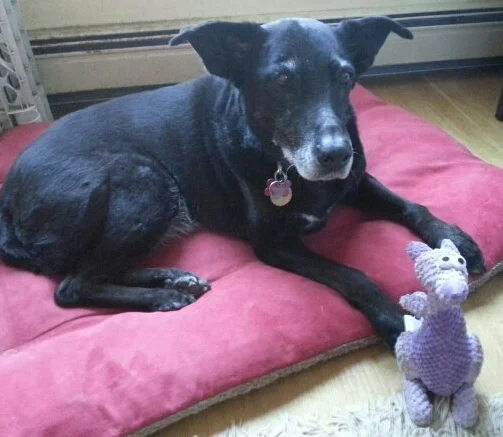
Here are a couple of photos of Hazel with her new wide wale corduroy Pink Pig and a well loved Nylabone-- more appropriate dog toys than my sewing scissors!


Scraps! and the new book, "Scraps, Inc."

by Judy Tucker


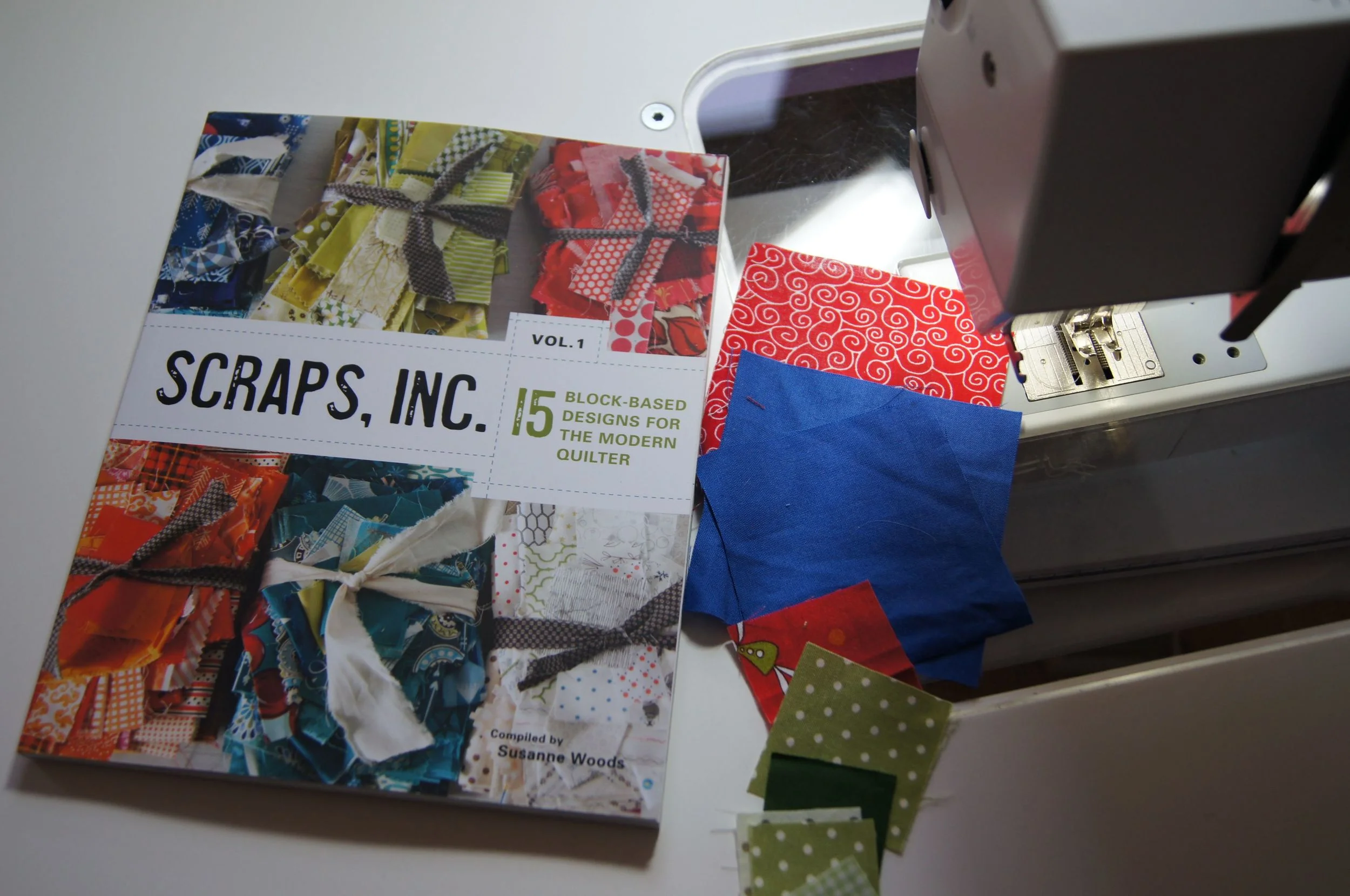
I'm talking scraps today!  The inspiration for this post is Lucky Spool's great new book Scraps, Inc, Volume 1, compiled by Susanne Woods.  


I think Lucky Spool is publishing some of the best new quilting books!  Scraps Inc, Vol. 1 is a collection of 15 Block-based quilt designs for the Modern Quilter.  These patterns are mostly Modern Traditionalist so they should appeal to anyone who quilts.  

The book's starts with the statement that if you are looking for a book about scrap quilts, you probably a "prolific quilter."  This is reflected in the patterns in the book which run 4-6 pages long.  They have great diagrams and clear directions, but they are based on the assumption that you know how to piece block.  There is no information about finishing the quilt once you have a completed top.  This is totally appropriate for their target audience of experienced quilters. I'm delighted the pages in this book are used for quilt designs rather than information about making quilts which is readily available from many other sources.

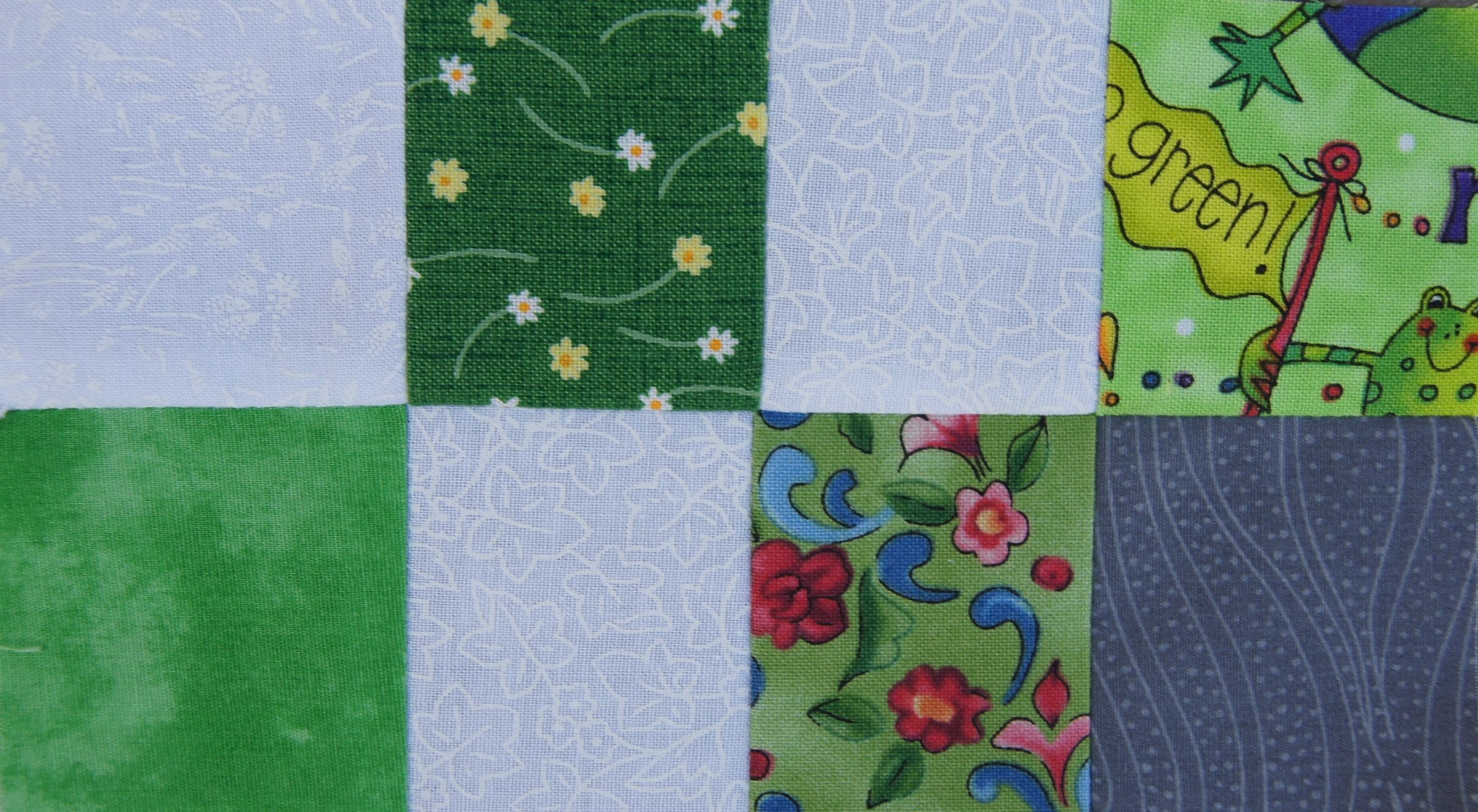
Amy Friend who lives here in Massachusetts and blogs at DuringQuietTime.com, has a paper pieced design called "Twinkle" in the book.  I really like her palette of Spring greens and greys. You can see her quilt at the link above. Her post about this quilt also includes a discount code that is good until December 1, 2014 if you want to purchase a copy. 

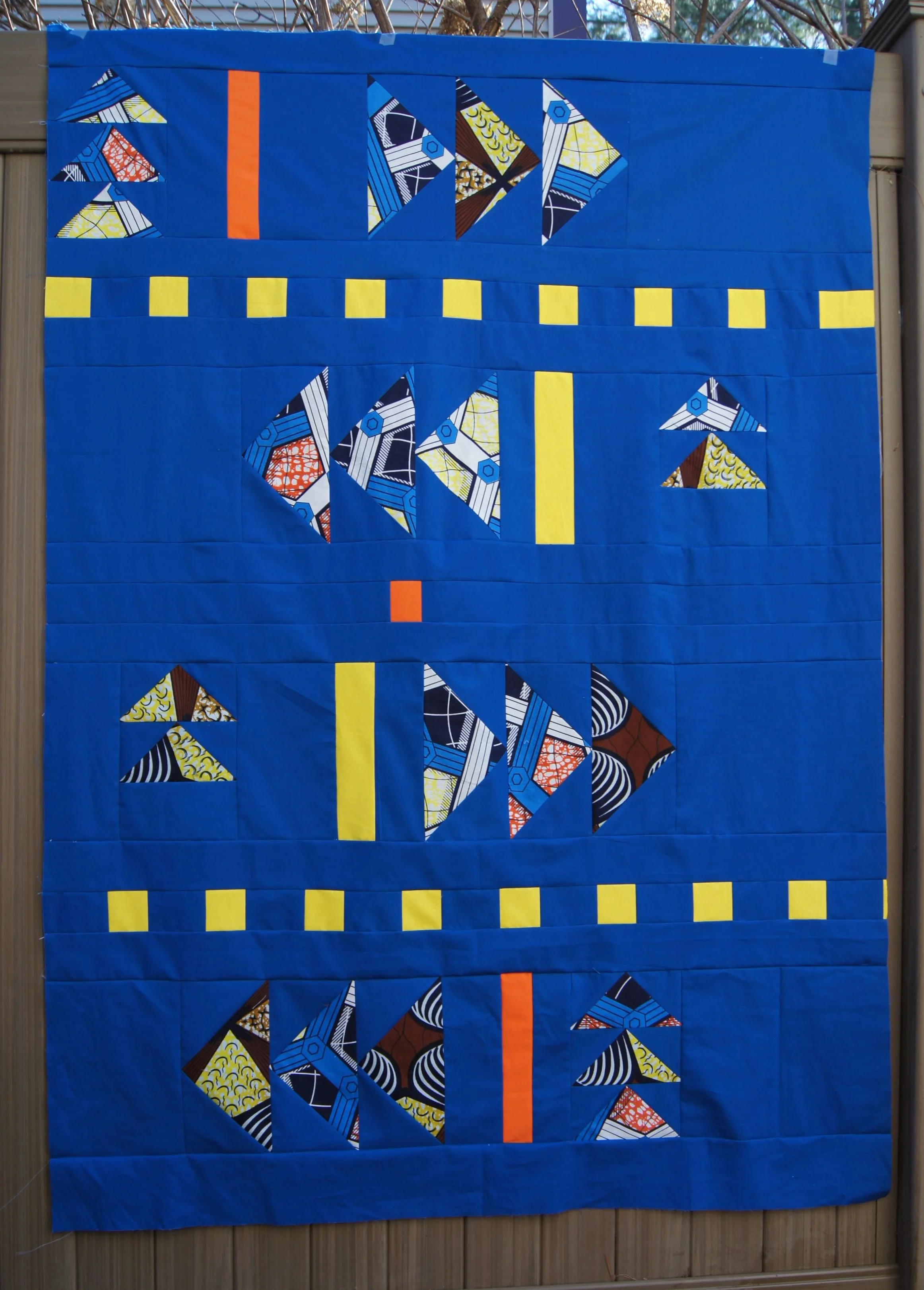
One of my favorite quilts in the book is "Autumn Flight" created by Beth Vassalo.  Click on her name to see her great quilt.  She has floated her flying geese so she doesn't loose any of her points  She also picked fabrics with prints that echo the flying geese motif.  It's a great quilt. 

I have to say, the designers in this book have the best collection of scraps!  Each of the contributors in the book has a sidebar with information about how they manage their fabric scraps.  It's great fun to read about how they sort and store their scraps. So I thought I would share how I store my scraps.

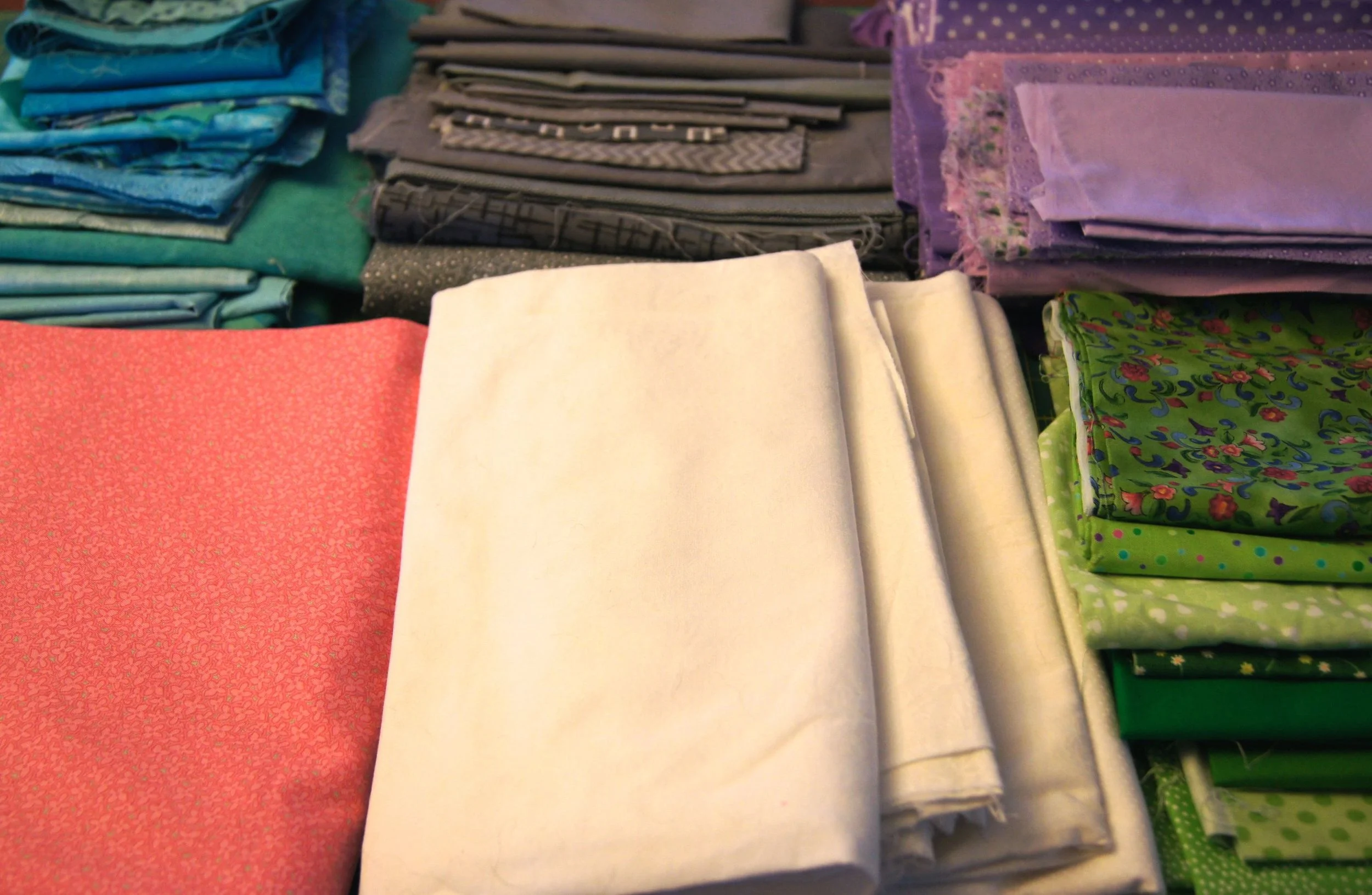
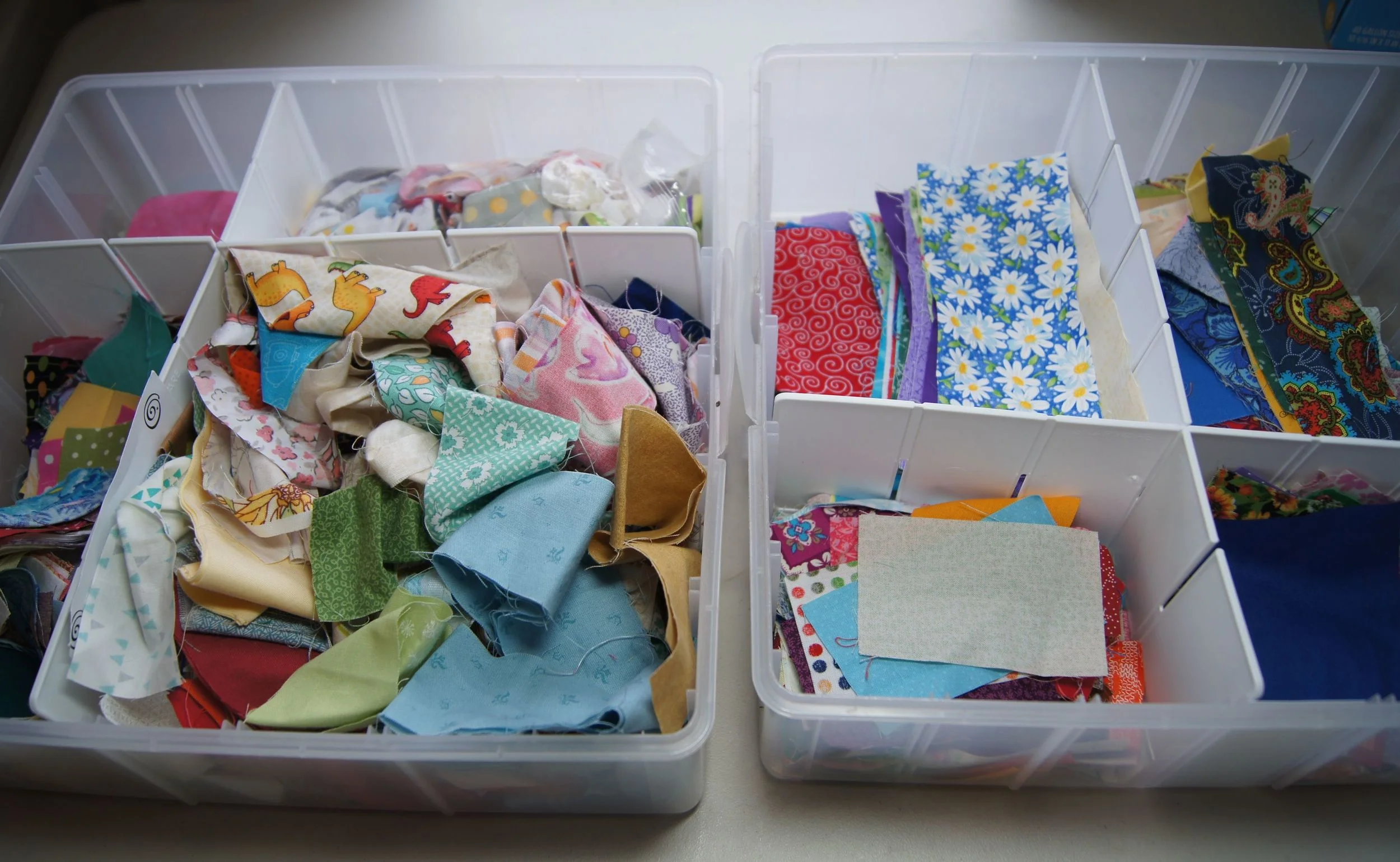
If I have scraps with left over yardage, I fold the scraps into the yardage and put them away in my color coded fabric bins.  But lots of times I have scraps that are the end of the fabric.  I cut those scraps into a size that saves the largest amount of useable fabric. I try to do this as I am finishing cutting fabric for a quilt.   

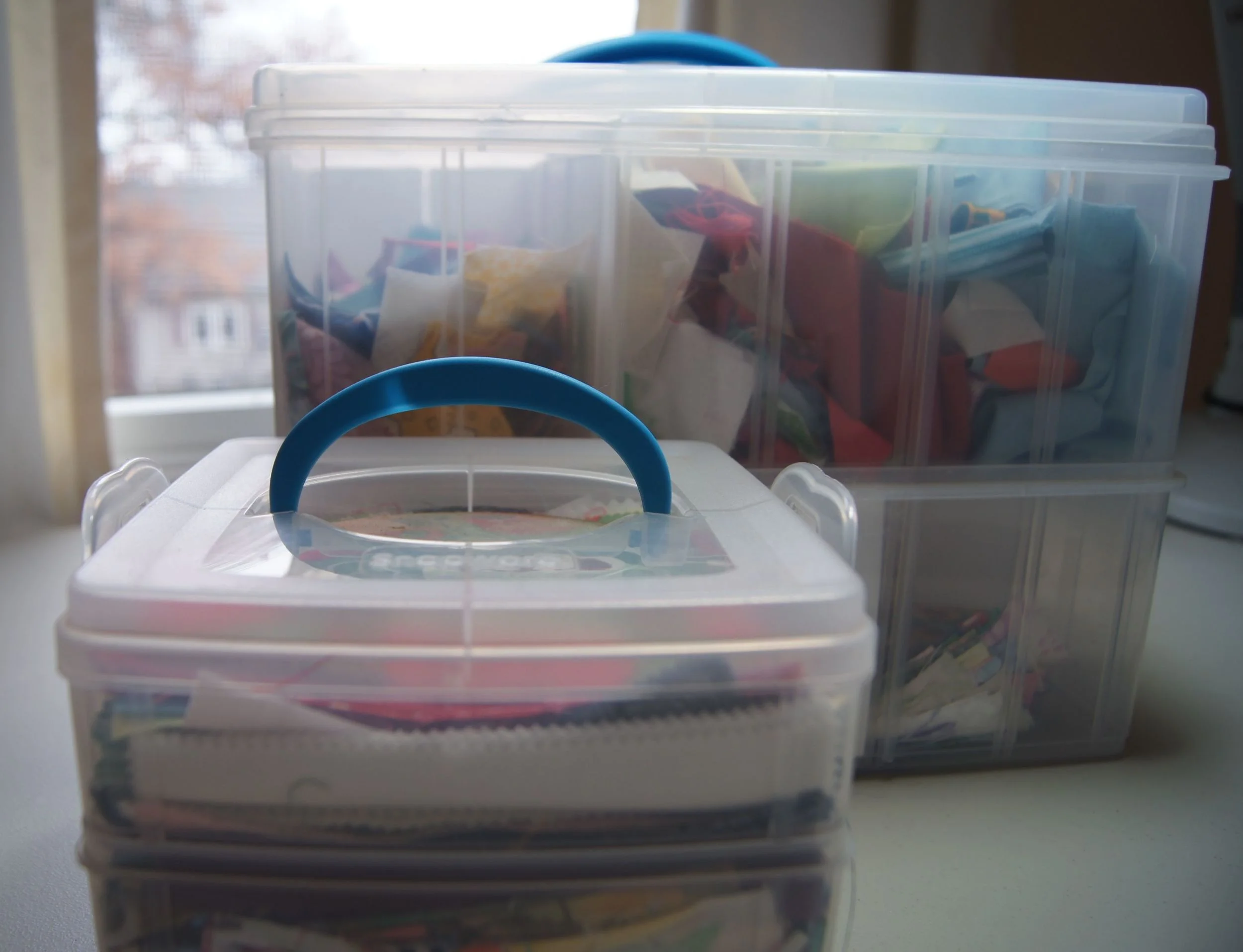
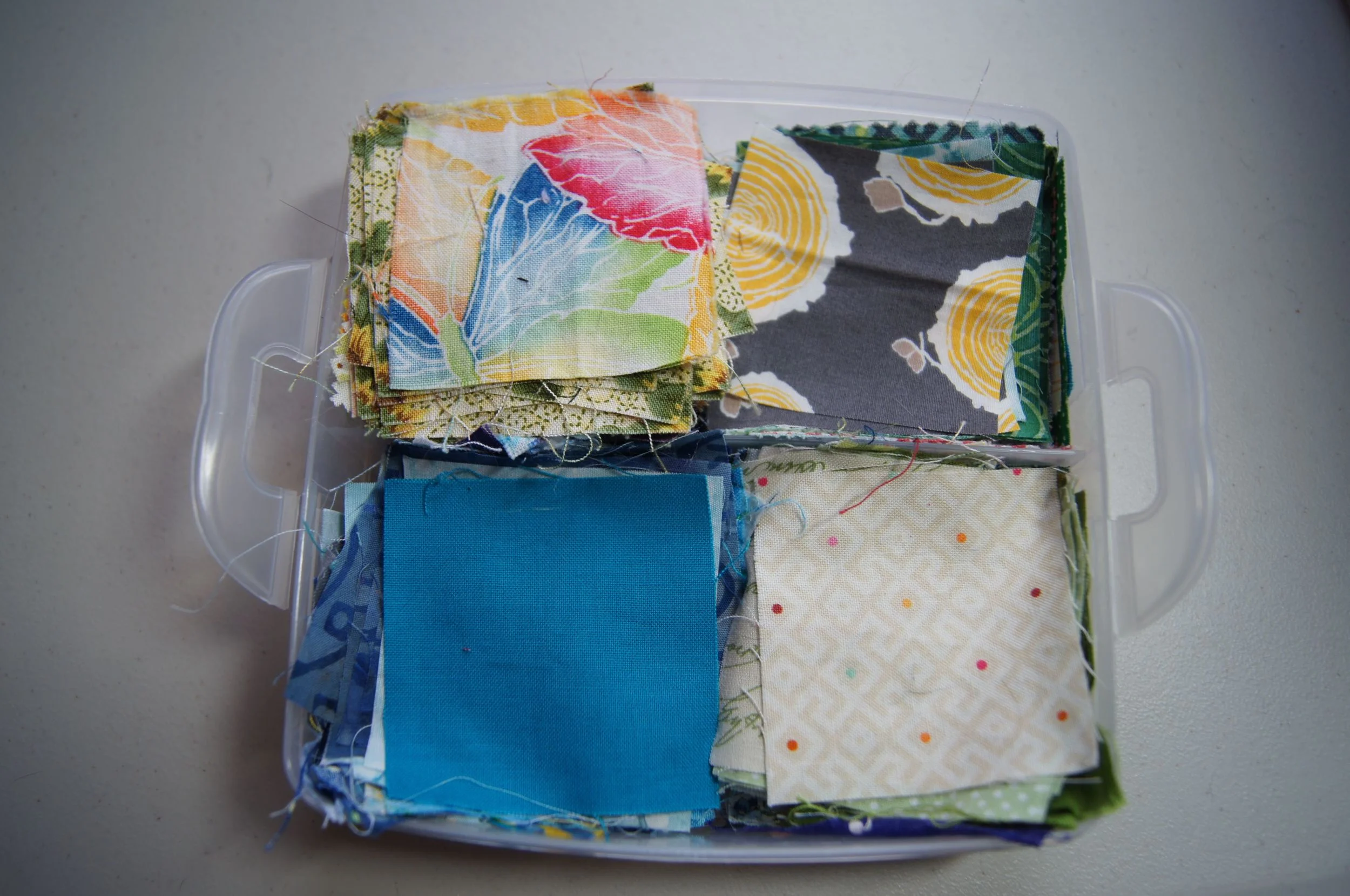
Fabrics that are cut to a size go into stack and click together plastic containers.  The larger container is divided into sections--these store 2 inch strips, 2 inch squares, 3 inch squares, 3 1/2 inch squares, 4 inch squares and "bars" of fabric of varied width and length. (I'm no longer cutting fabric "bars"--it makes more sense to keep the fabric as strips which I can cut to size as needed).

The smaller bin has 2 1/2 squares sorted by color in the top layer. The bottom 2 layers have 5 inch squares. 

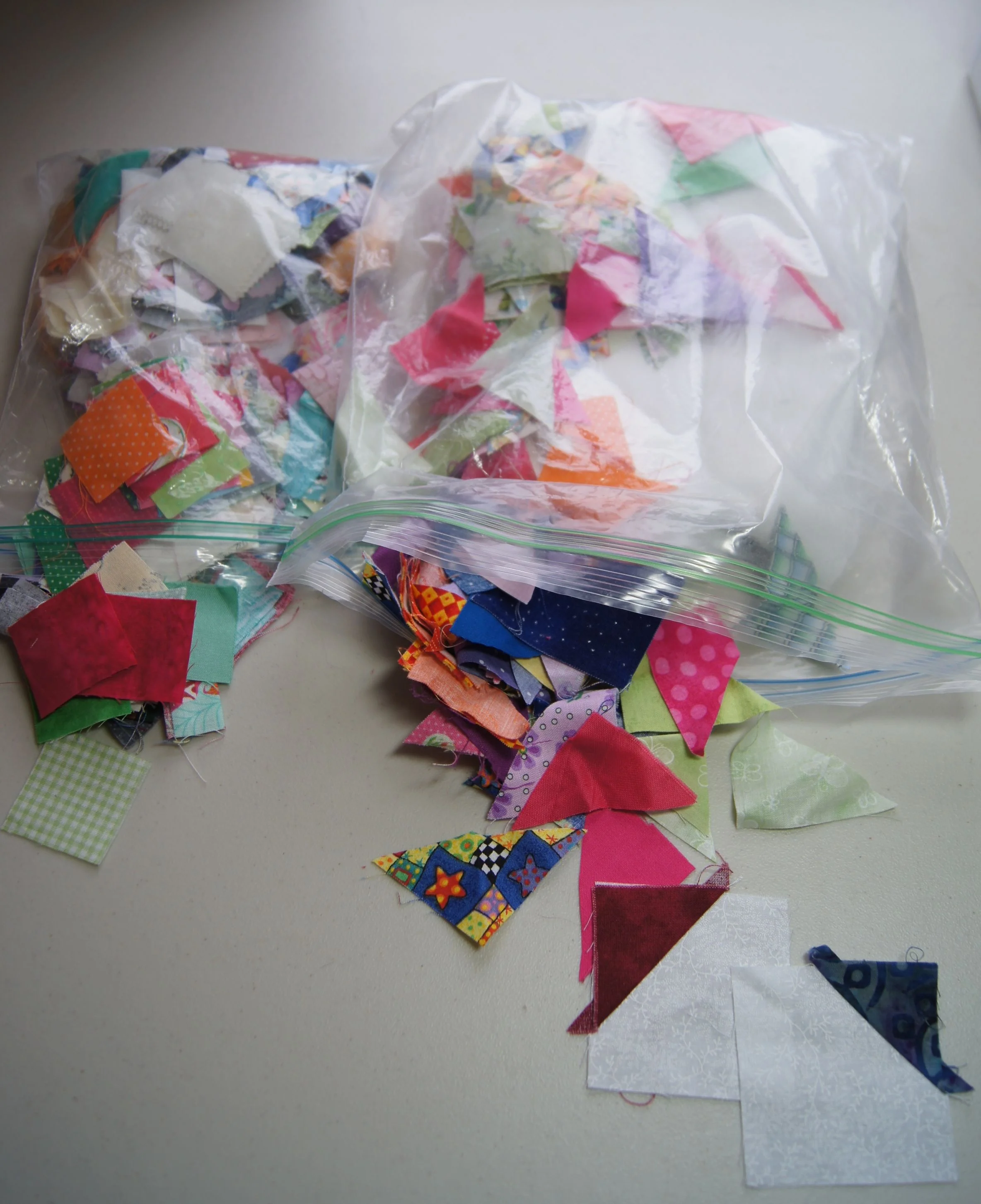
Then there are the bags...

On the left is a bag of 1 1/2 inch squares.  (I have no idea how I will use these yet!)  Next to that is a bag of triangles which are scraps from bindings. Those I'm sewing onto white squares to make a quilt pattern from Sunday Morning Quilts.  On the right is my bag of strings. These are any strips smaller than 2 inches wide.  I've trimmed them to be straight strips which I find more useful in my projects.  I also keep a bag of 2 1/2 strips.

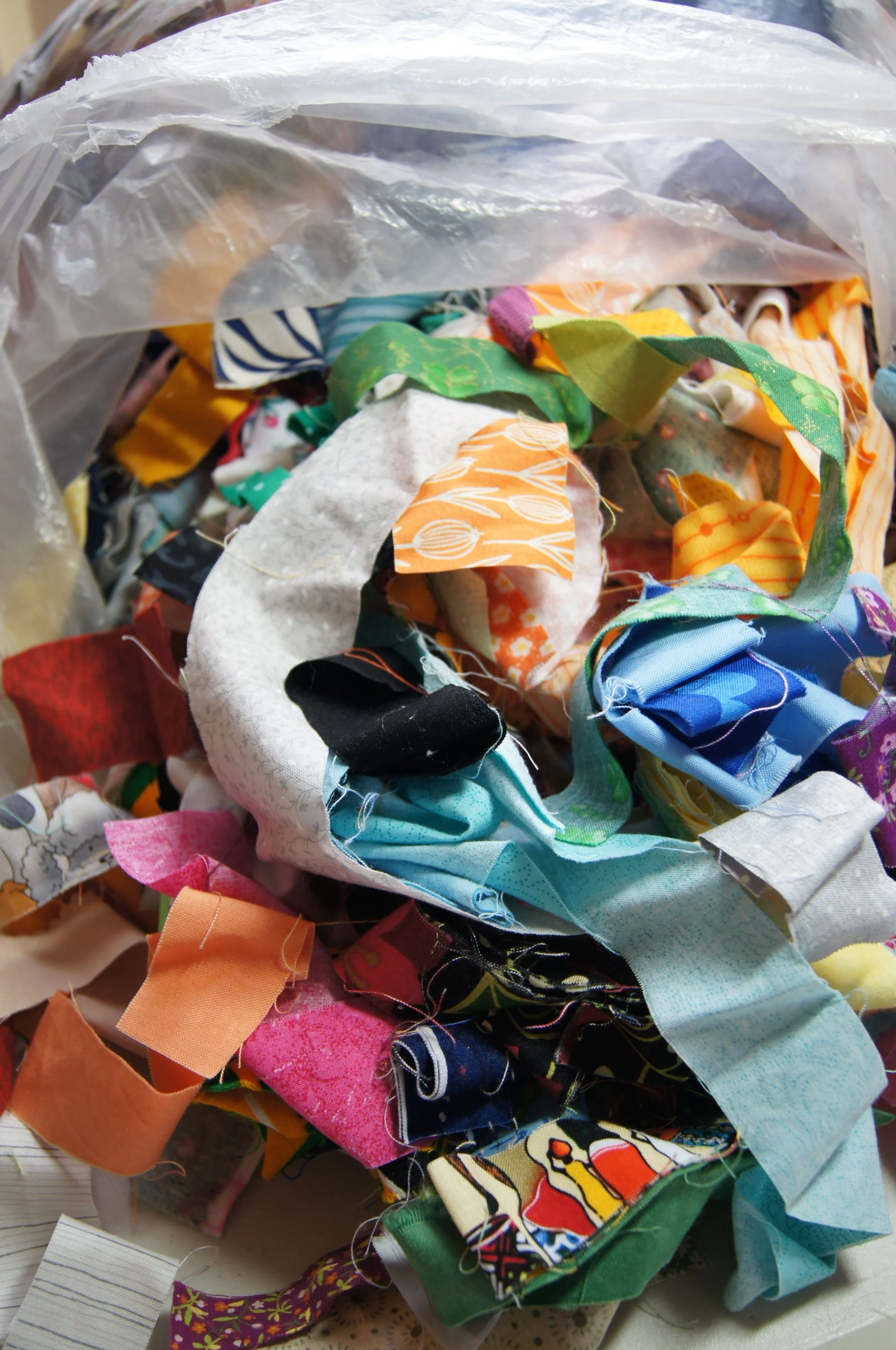
Finally I have one large clear plastic bag of "stuff".  Recently I rummaged through it looking for scraps for the new Bonnie Hunter Mystery quilt that starts this weekend.  I found that I took out a number of pieces of fabrics and reassigned them to the stash!  I guess my definition of "scrap" has changed over time!
If you have a collection of scraps, pick up a copy of Scraps, Inc.  It will give you new inspiration about how to turn your scraps into great quilts!