Designing Fabrics Using a Tutorial in the new book "Print, Make, Wear"

by Judy Tucker


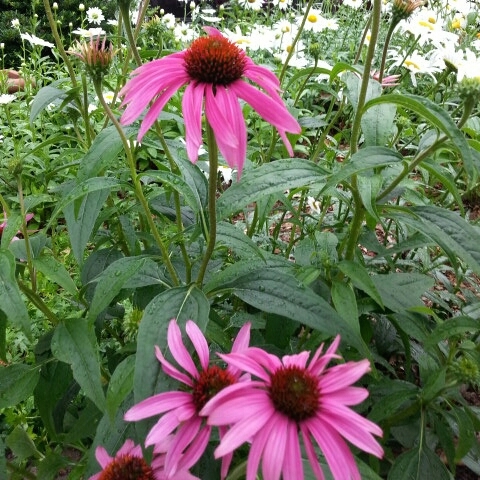
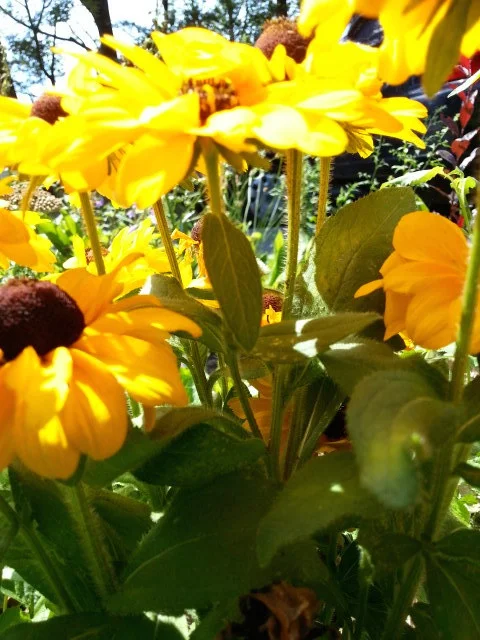
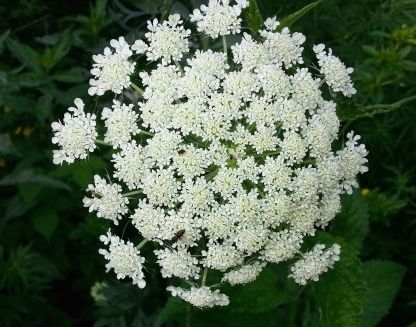
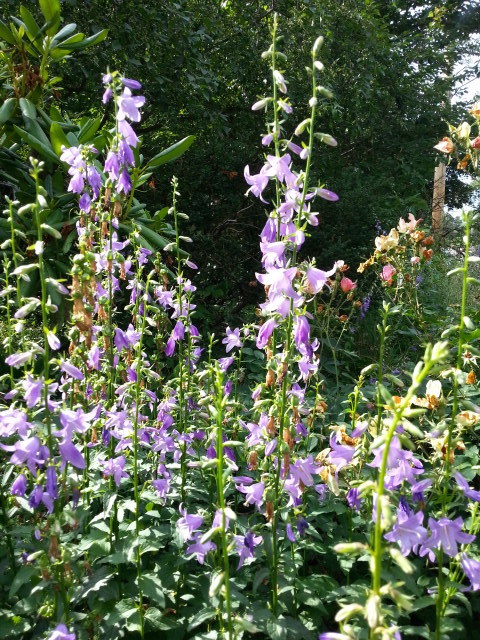
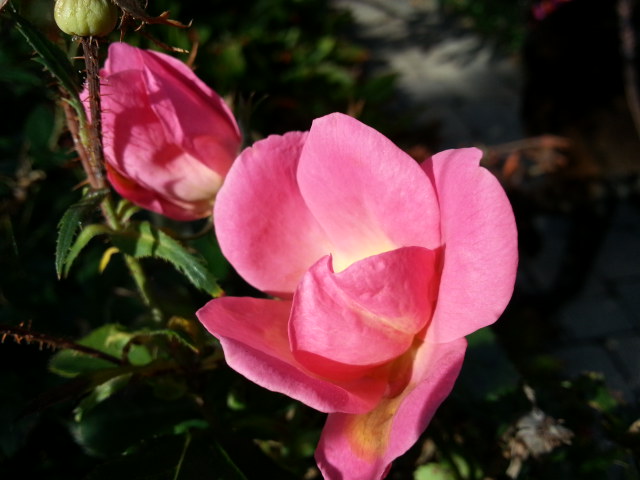
I really enjoyed the flowers in my perennial bed this year.  I took photos of them from time to time, along with some photos of flowers I saw while walking my dogs in the neighborhood.

Looking for books with information about creating surface designs for fabric, I found Print, Make, Wear: Creative Projects for Digital Textile Designby Melanie Bowles and The People's Print. This is a great book for a novice fabric designer.  It takes you step by step through the process of designing specific projects.  (While this book was published in 2015, it is already out of date with the current version of Adobe's Photoshop CC. However it wasn't too hard figuring out how to use the book's instructions with the updated version of Photoshop).

The first chapter, "Paintbrush Floral", is one of my favorites.  I used the instructions in this chapter to create "My Flower Garden" in Photoshop CC. I used my flower photos to draw components of each of the flowers.  With some digital magic, they became the basis for my floral fabric designs.

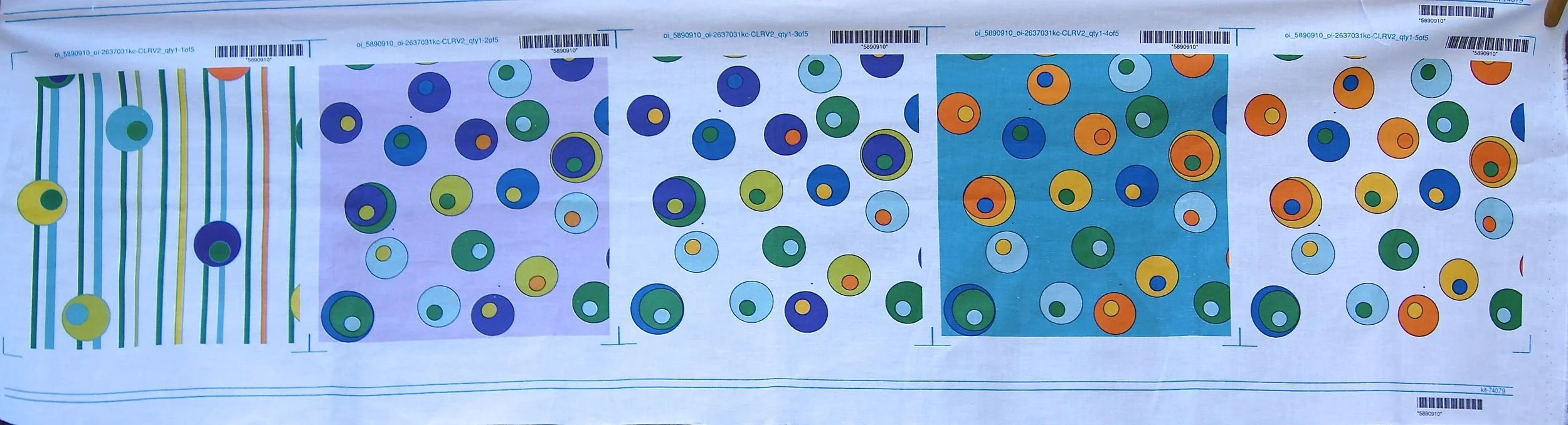
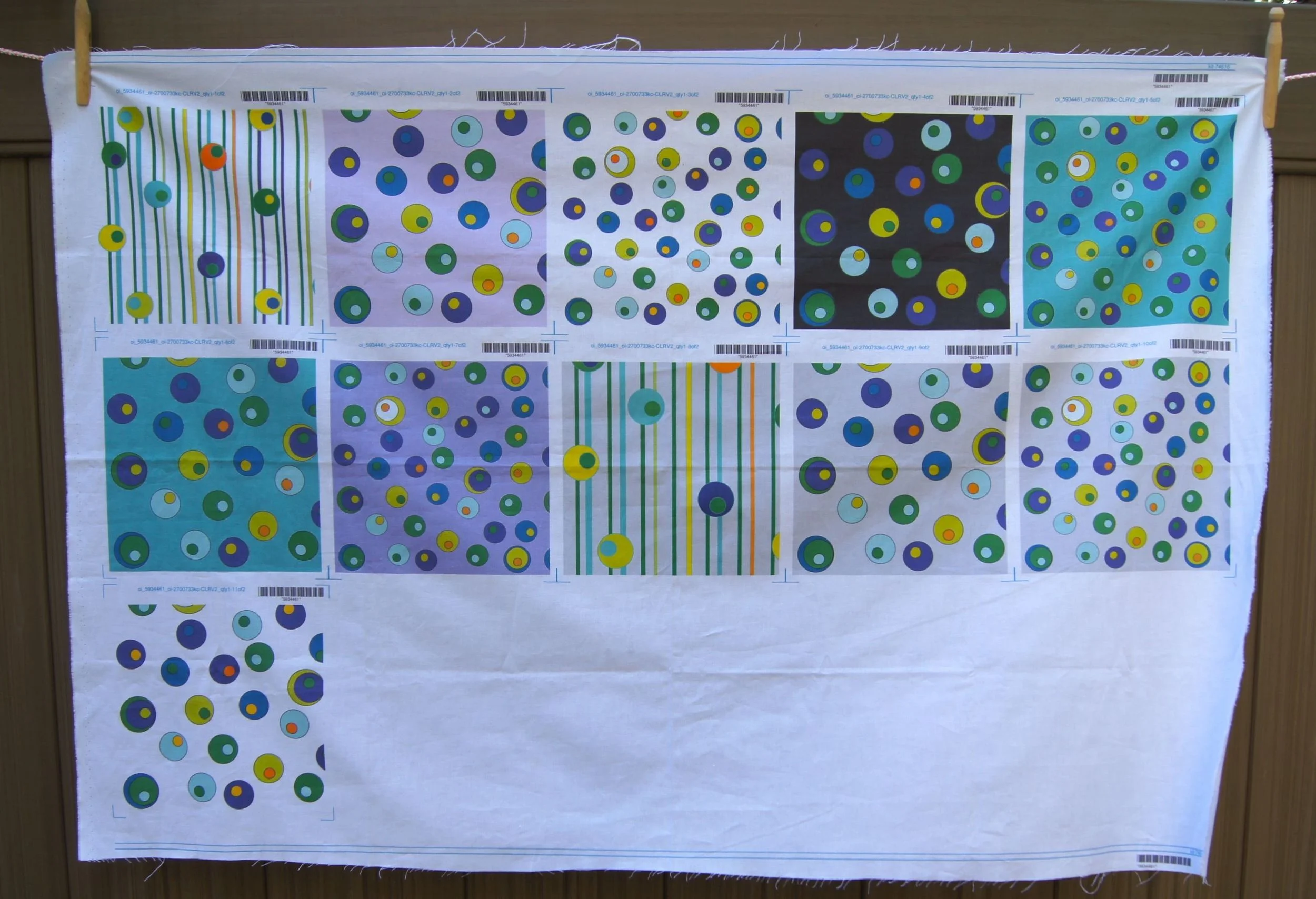
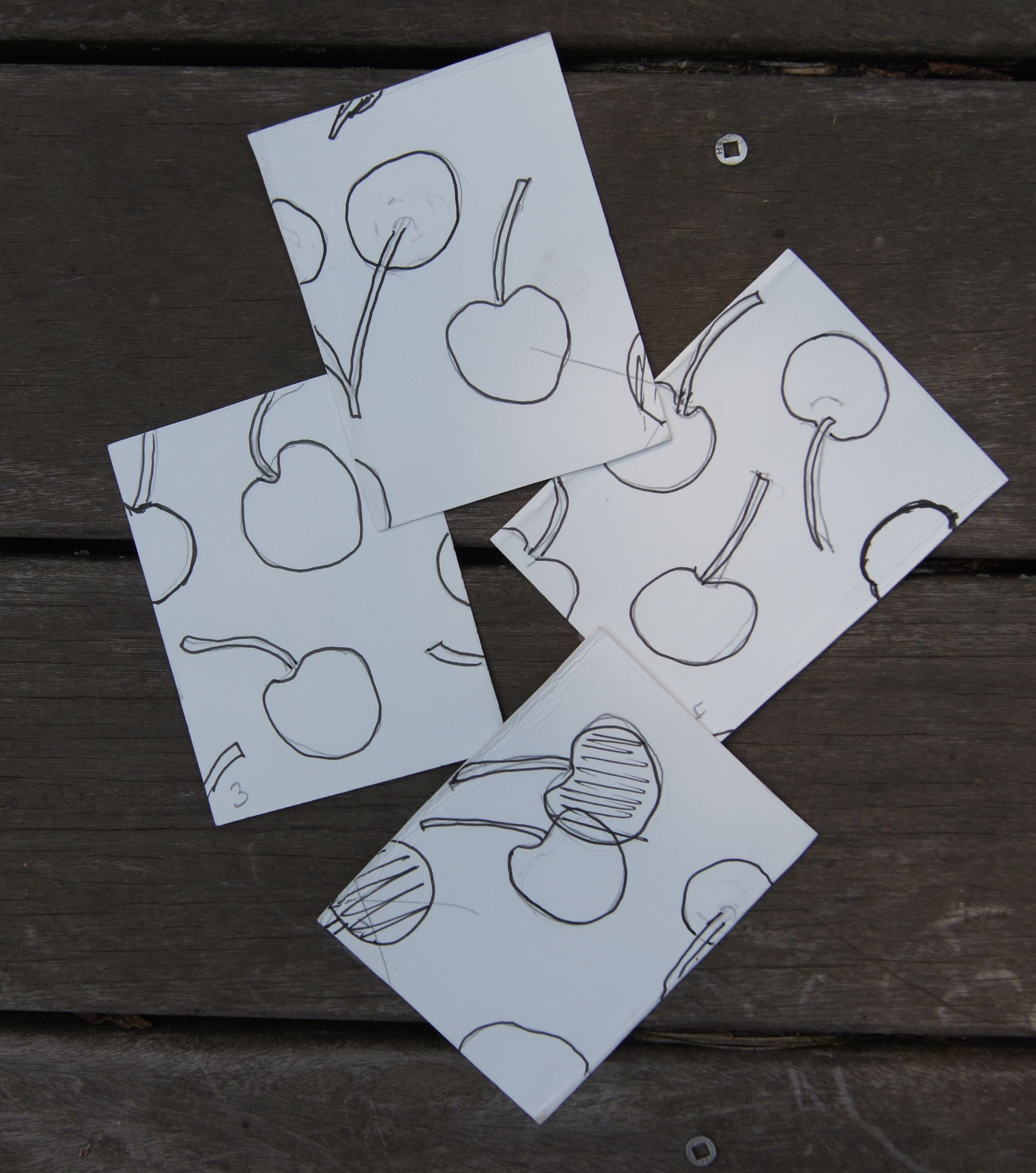
Here are the two pink versions, one with small flowers, and one with larger flowers.  Can you match the flowers in my designs with the flower photos above?
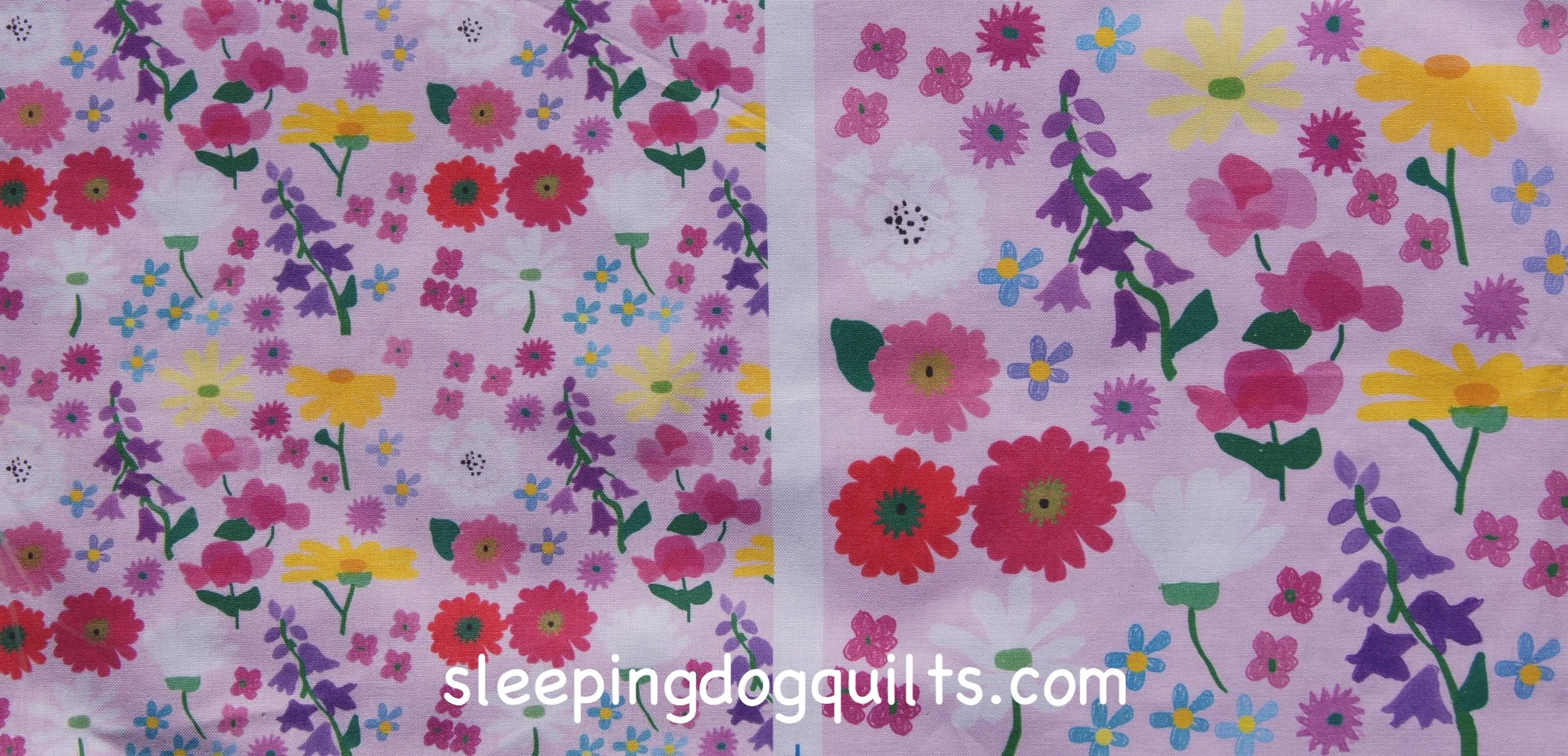
"My Flower Garden" fabric, printed by Spoonflower.com.  Can you match the flowers in my designs with the flower photos above?
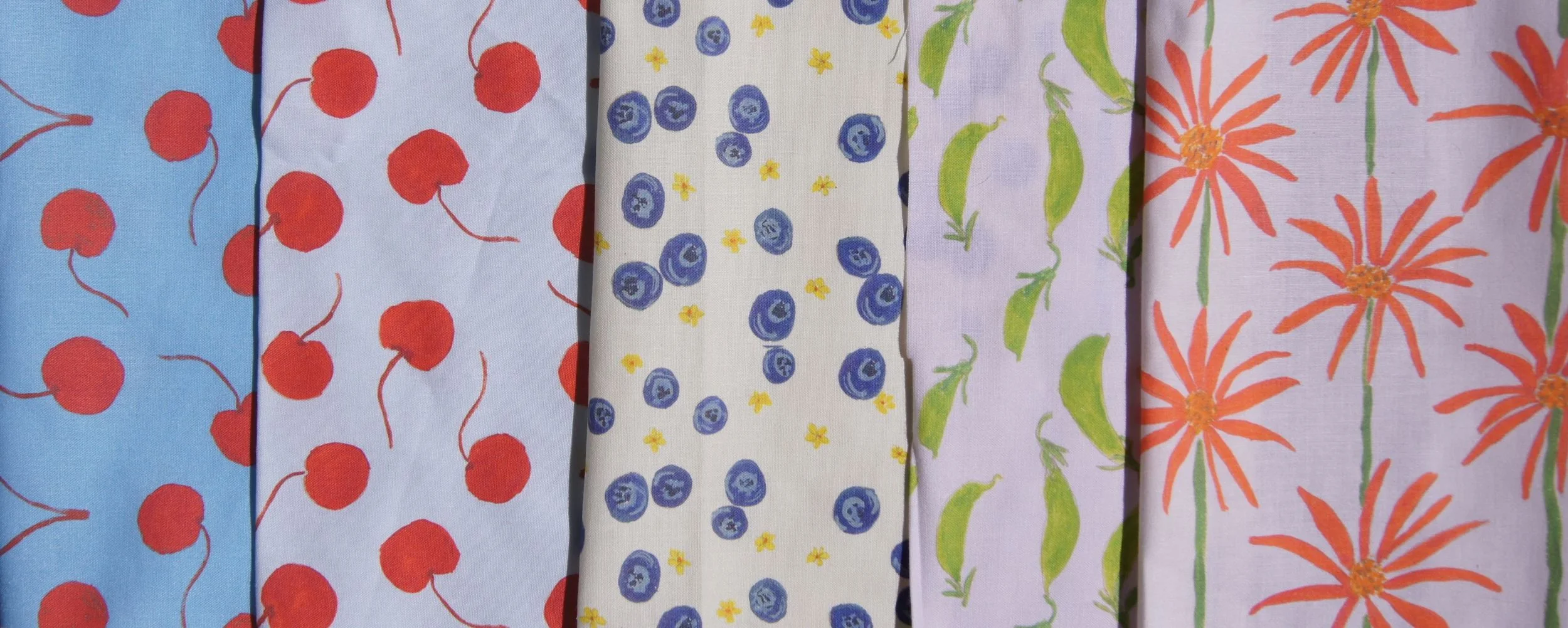
"My Flower Garden" fabric, printed by Spoonflower.com.  Can you match the flowers in my designs with the flower photos above?
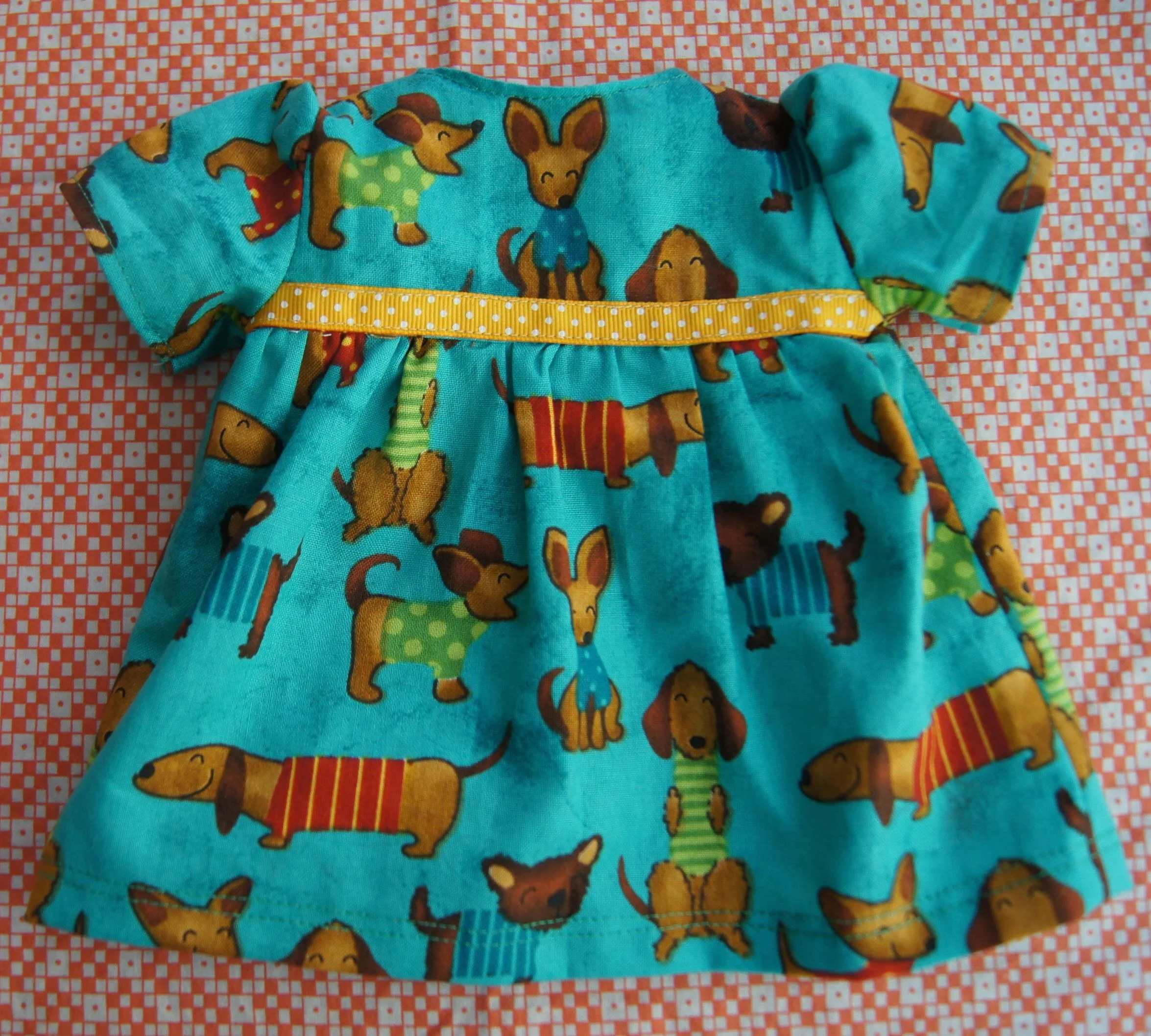
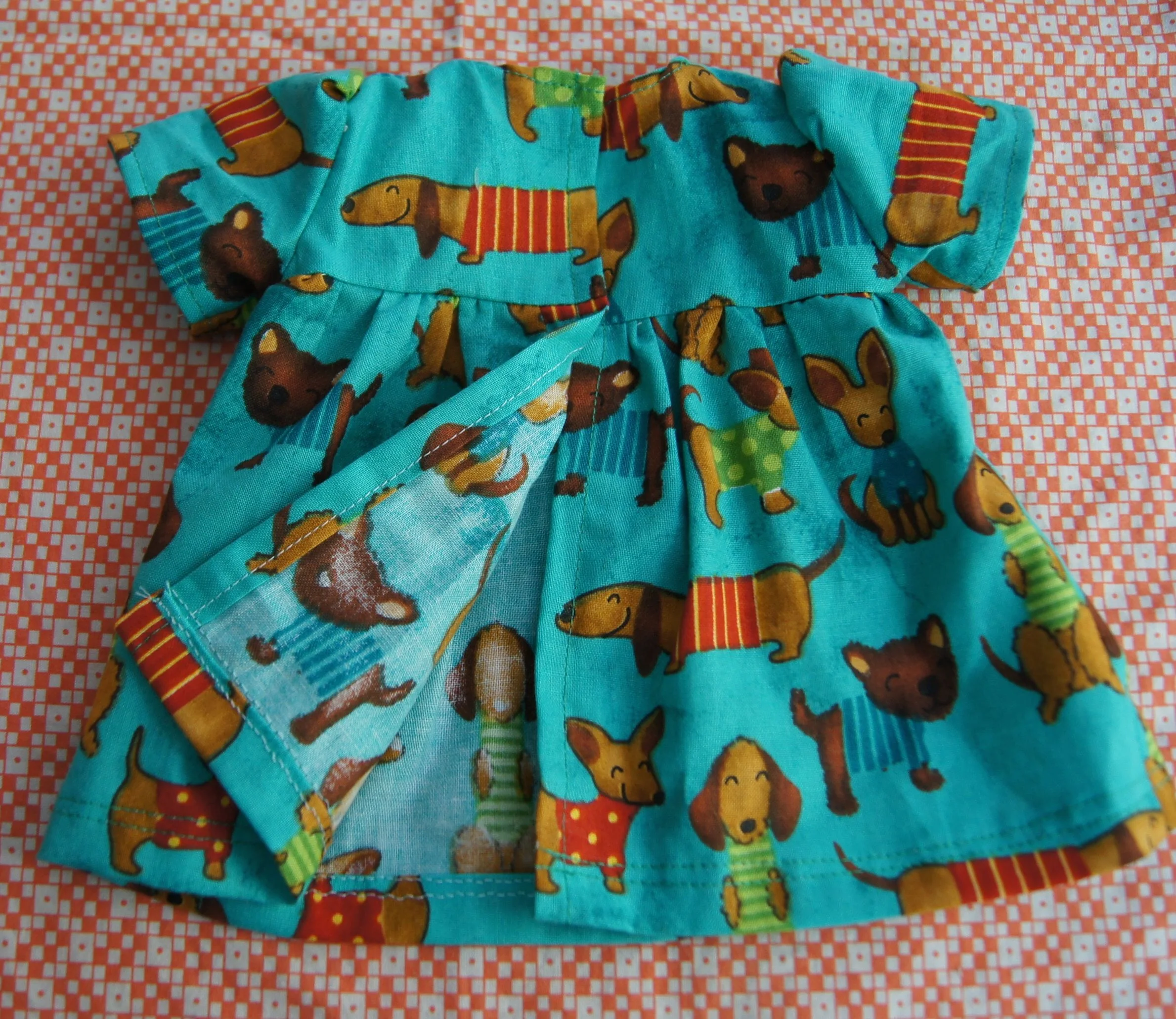
The smaller flowers would look great on a toddler's dress.  The larger print is perfect for a quilt backing. 

Since I got these samples, I've designed another floral design featuring Queen Anne's Lace flowers.  I'll post that when I get the printed fabric from Spoonflower.com


Precision Piecing Tips

by Judy Tucker


I taught a Beyond Beginner Quilting class at JP Knit & Stitch last week. This class focussed on accurate piecing. 

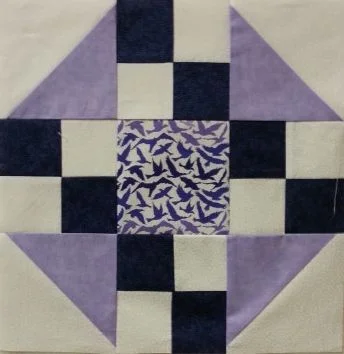
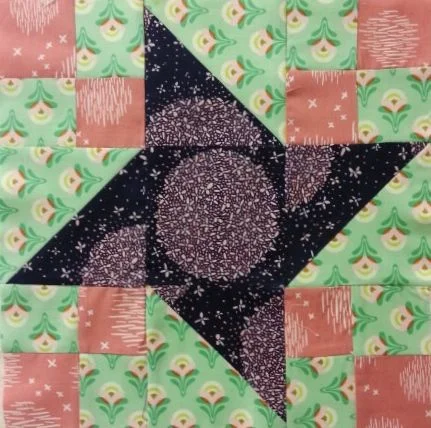
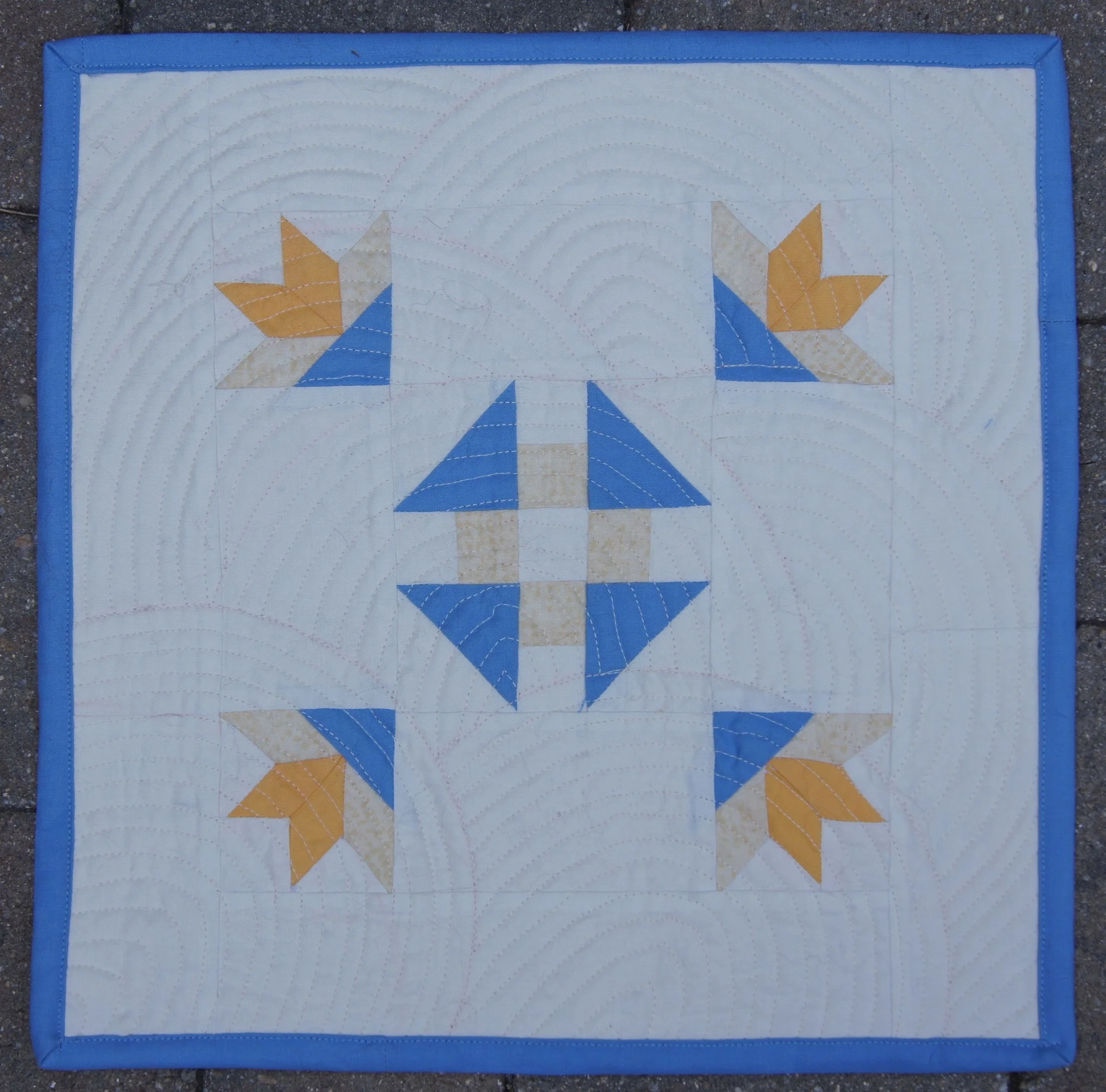
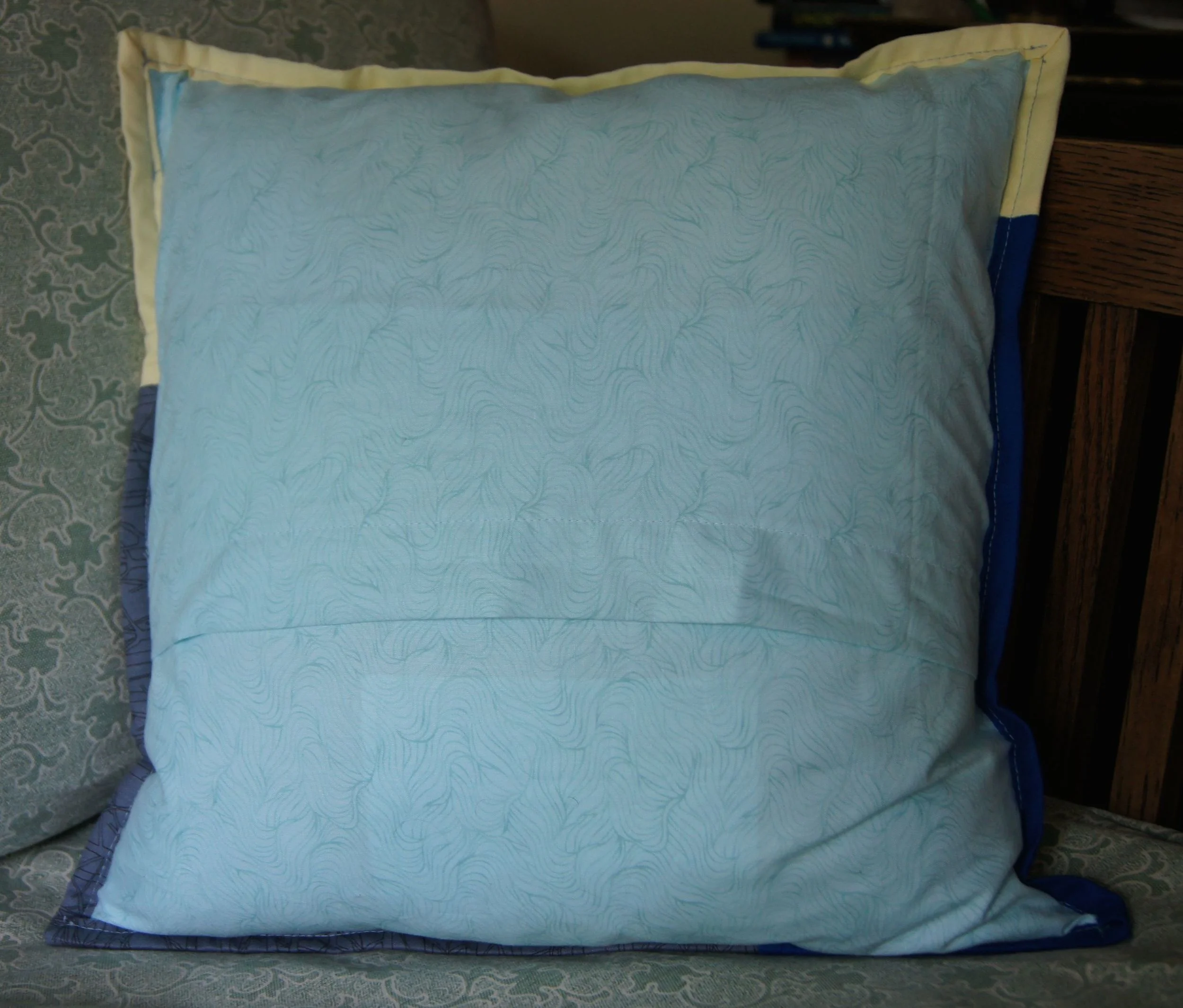
I sew up demonstration blocks and/or quilts to use in my classes.  So last week I sat down to sew some demo components for this precision piecing class.  I cut out the yellow 2 1/2 inch squares from yardage.  I had some commercially cut left over jelly roll strips (2 1/2 inch x width of fabric strips) on the table next to my cutting board.  One of them was a perfect shade of blue for my project!  So I cut my 2 1/2 inch blue blocks from the the strip.  Don't you love it when you can find a short cut?

Except that's not how it turned out. 

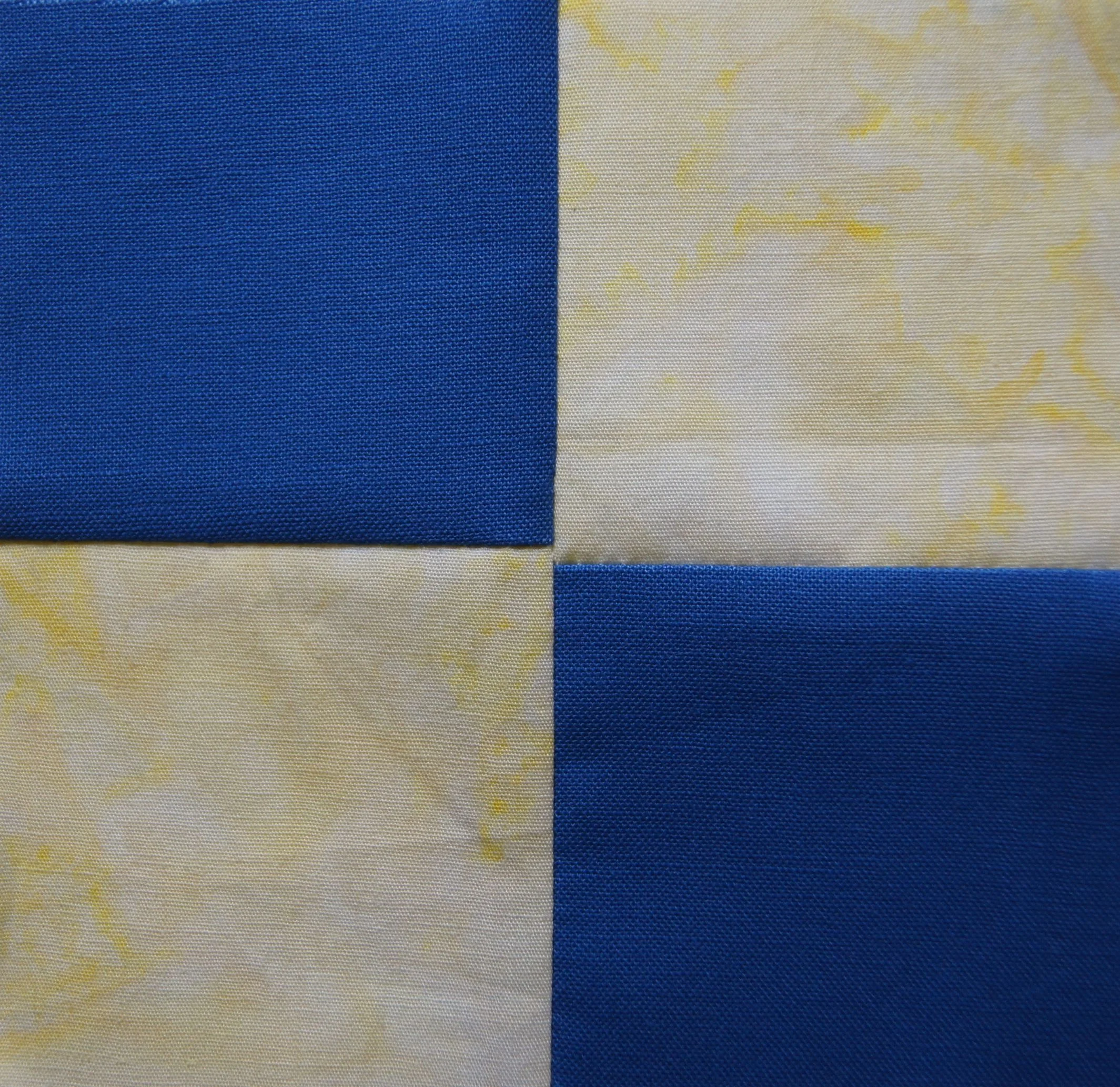
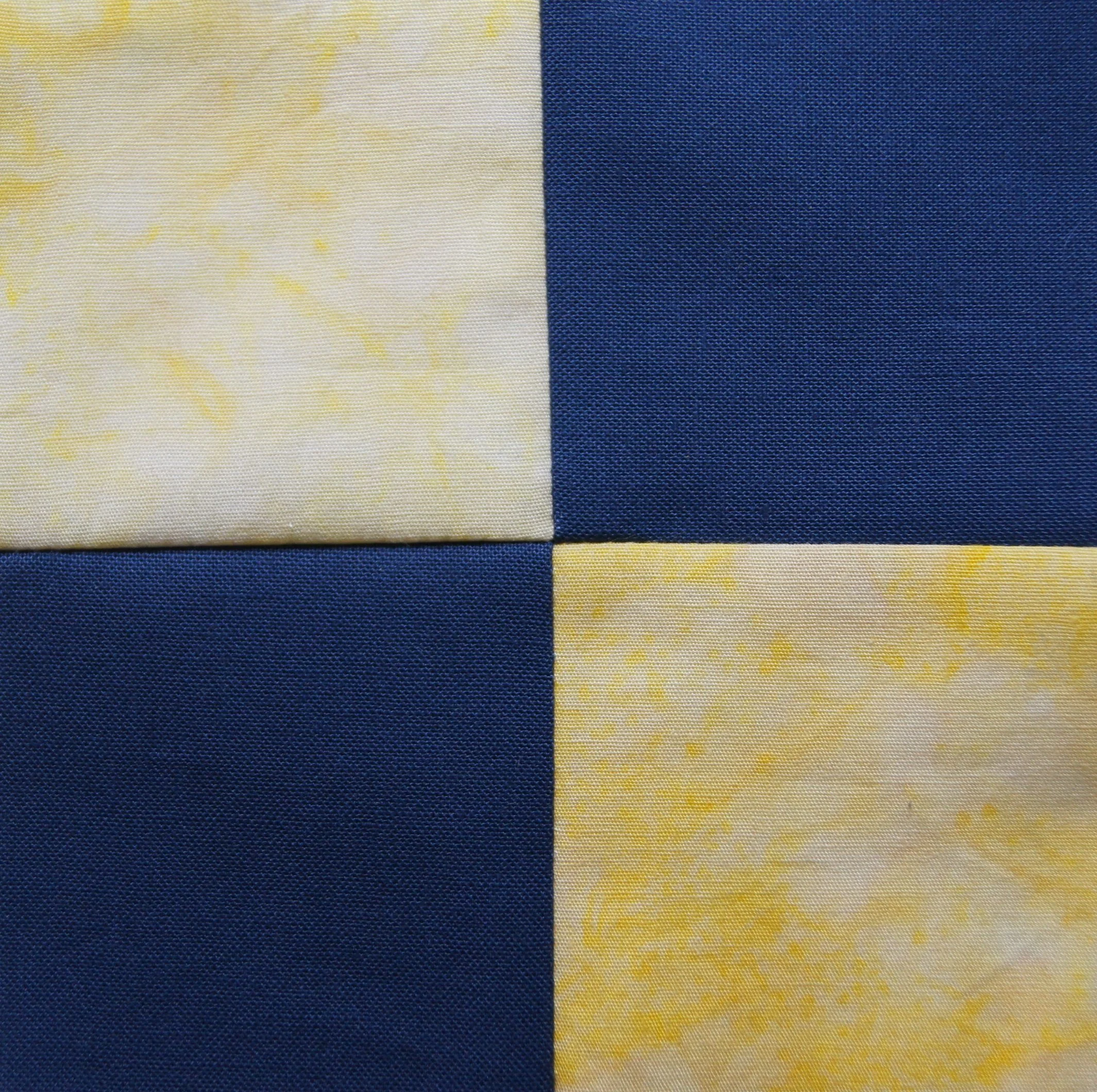
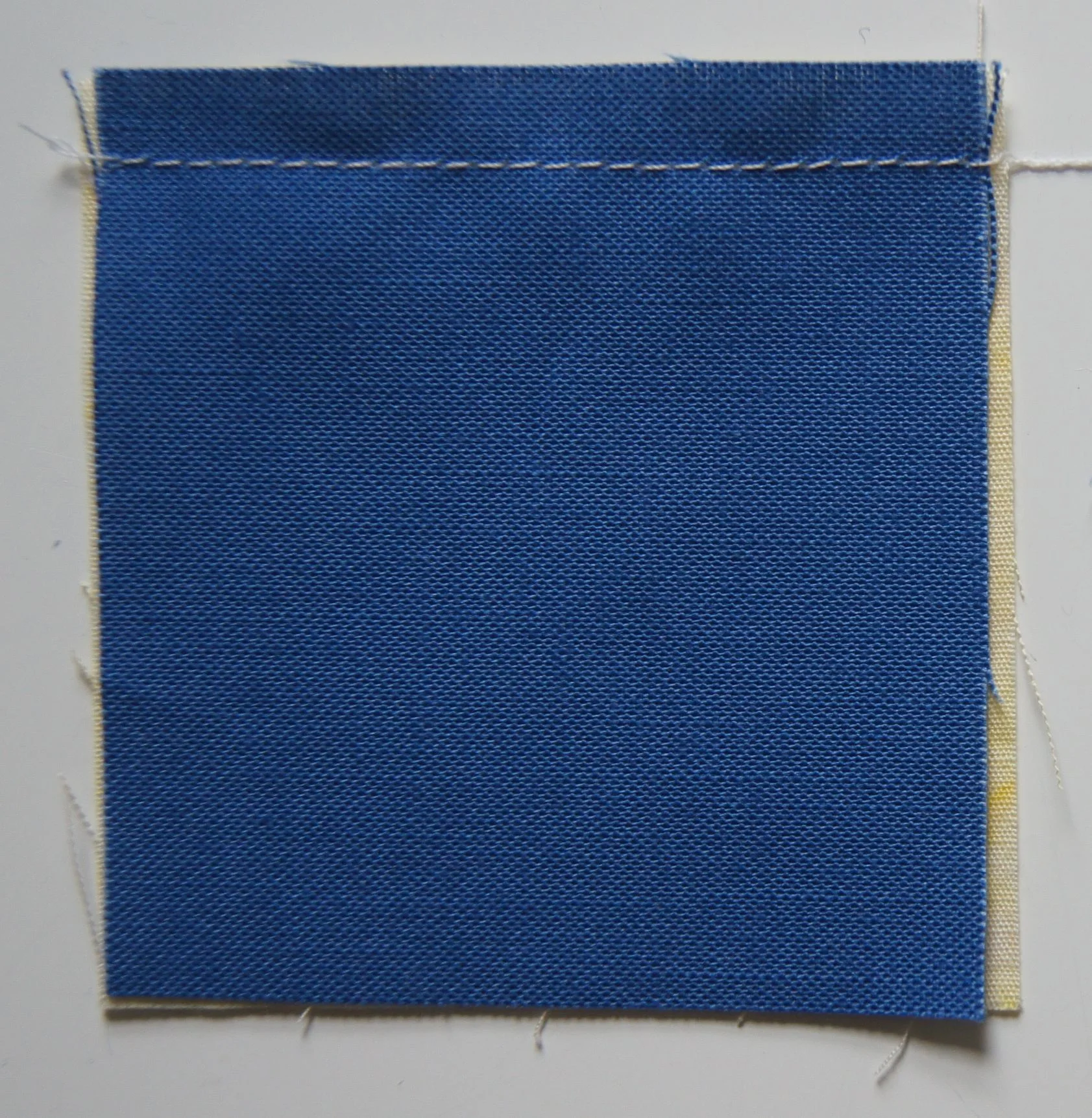
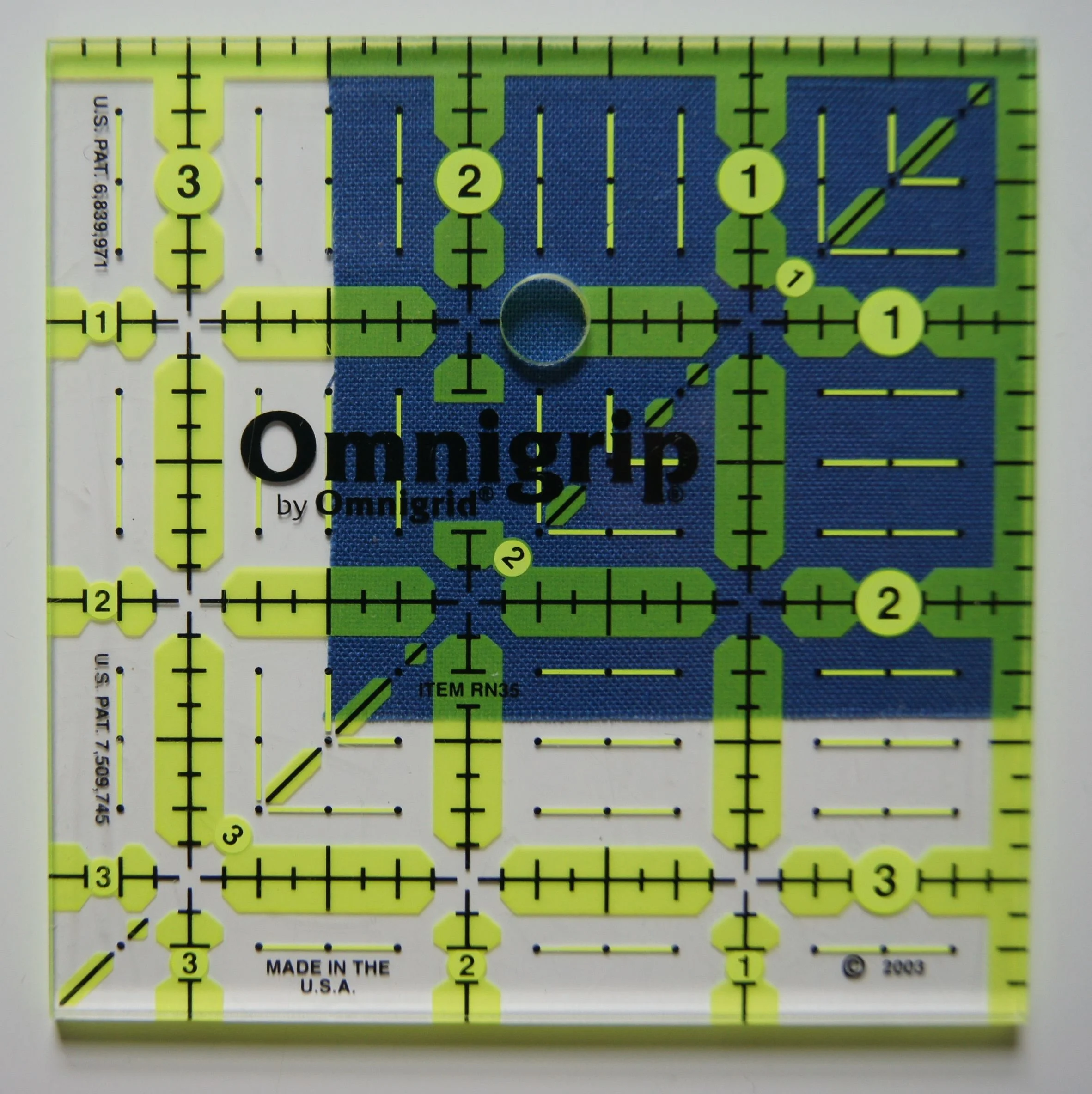
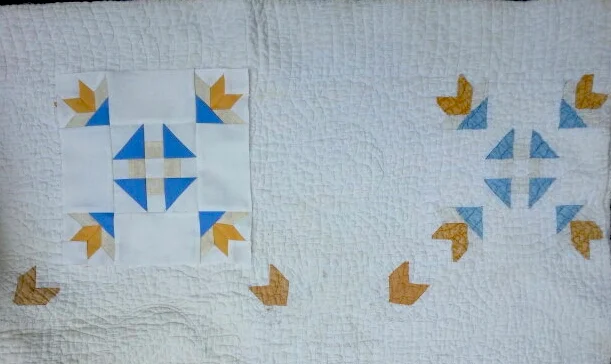
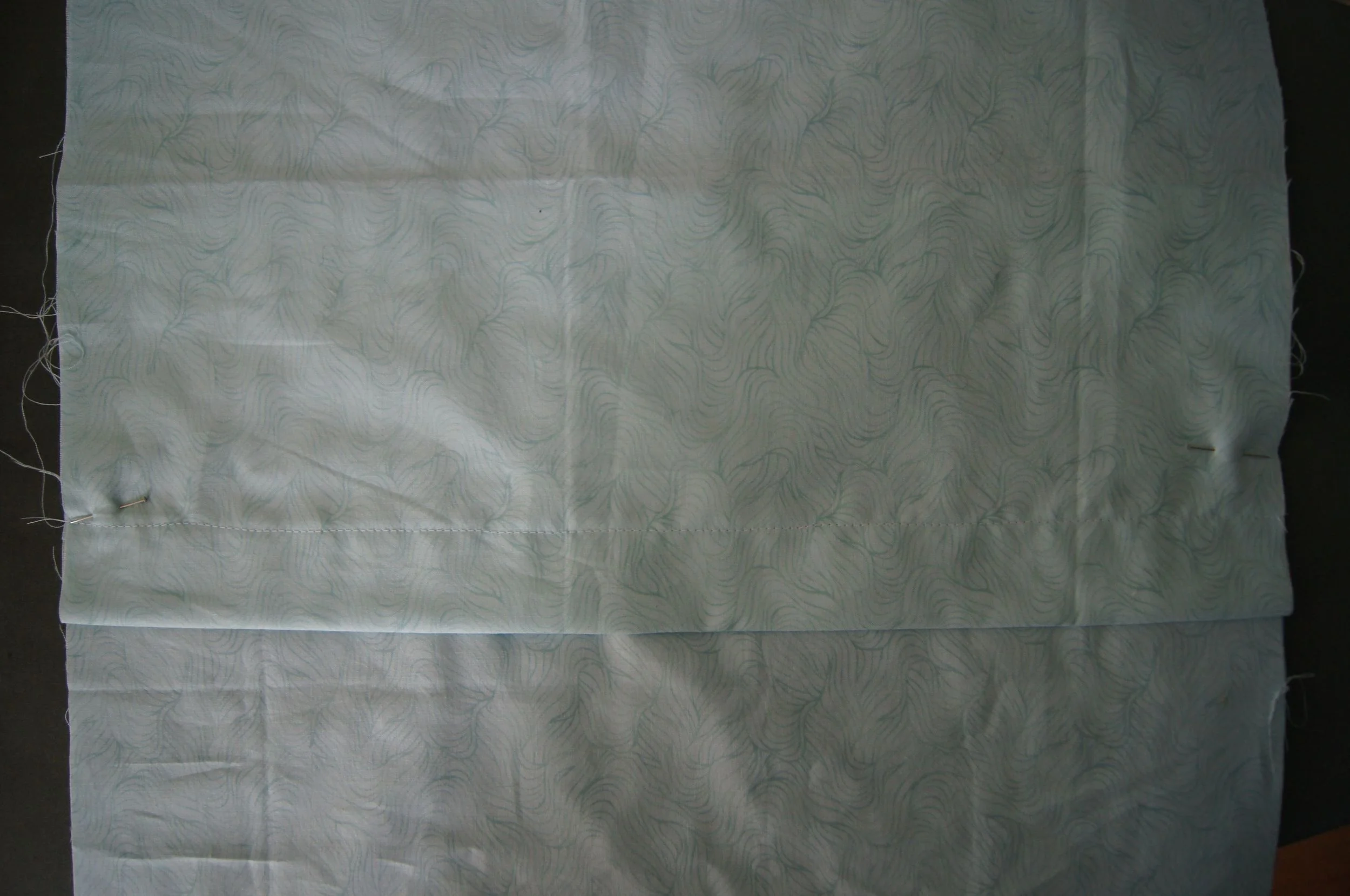
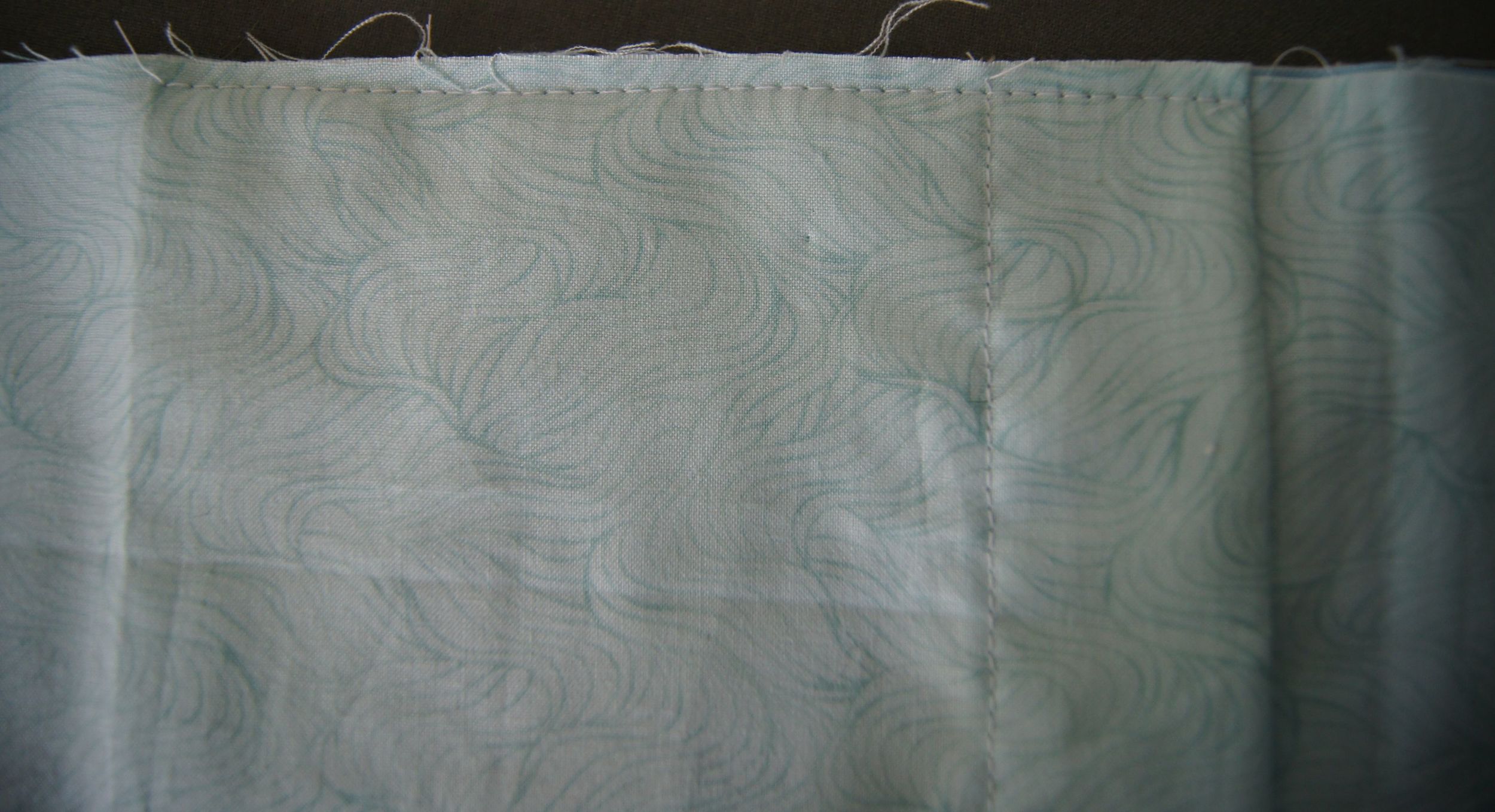
When I started to sew my 4 patch blocks, I noticed that the blue squares didn't match up with the yellow ones very well, as you can see on the patch below on the left.  I put a blue block under my ruler. The width of the commercially cut strip was between 1/16 and 1/8 inch too narrow which you can see on the bottom edge of the blue square. 

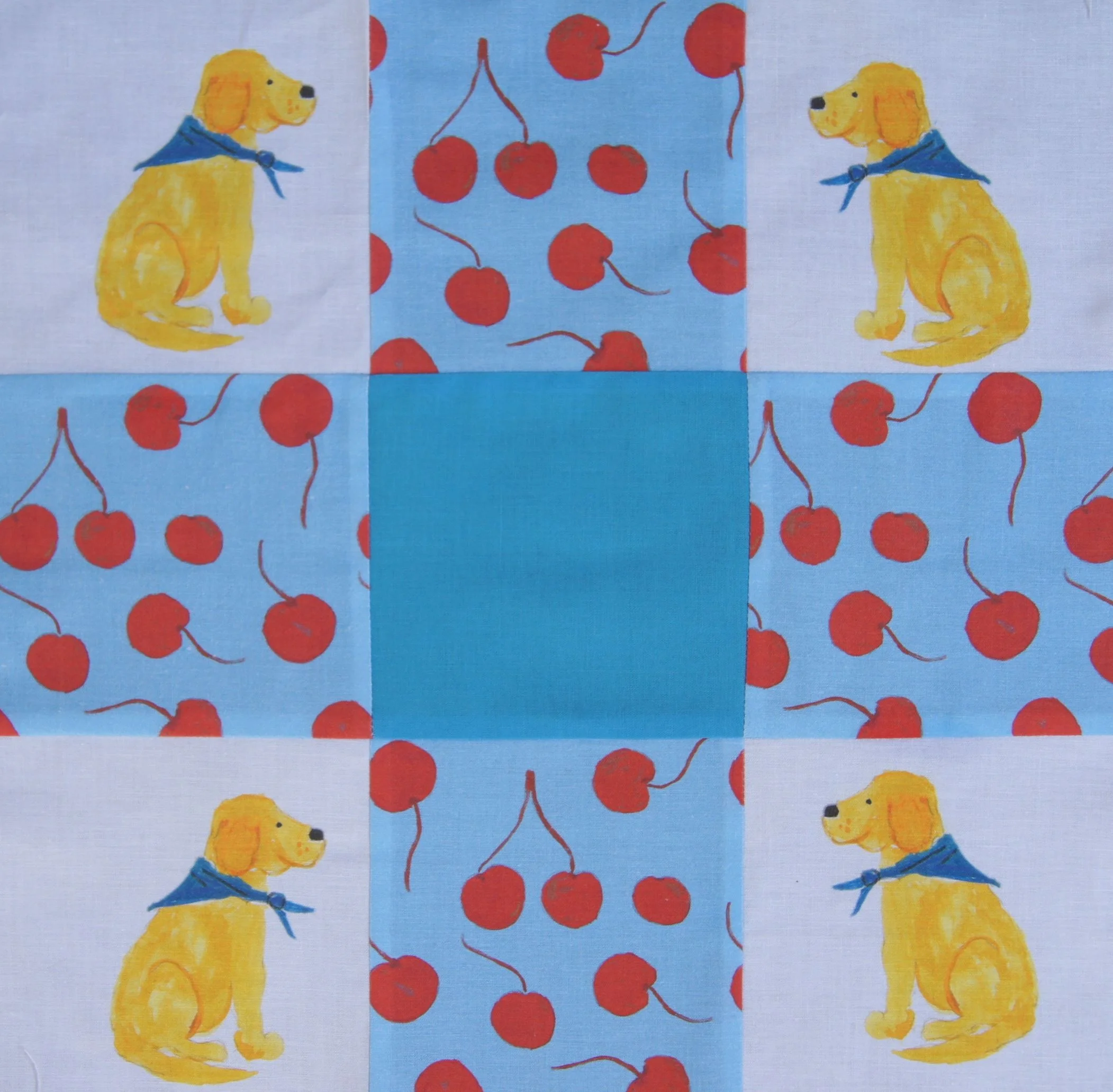
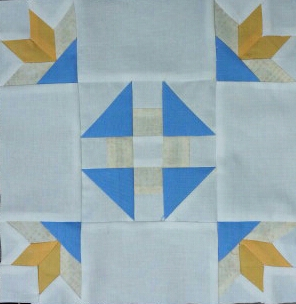
Did that really matter?  Yes.  Note the 2 blocks at the top of the post.  The block on left was sewn from pieces from the inaccurately cut strip.  The block on the right was sewn from new pieces which I cut from yardage.  While you could probably stretch the fabric a bit to make the block on the left work better, it will never be as good as the bock with accurately cut pieces. 

I inadvertently created not only "How to" blocks for my students but also a set of problem patches!

Here are some of my tips for accurate piecing:

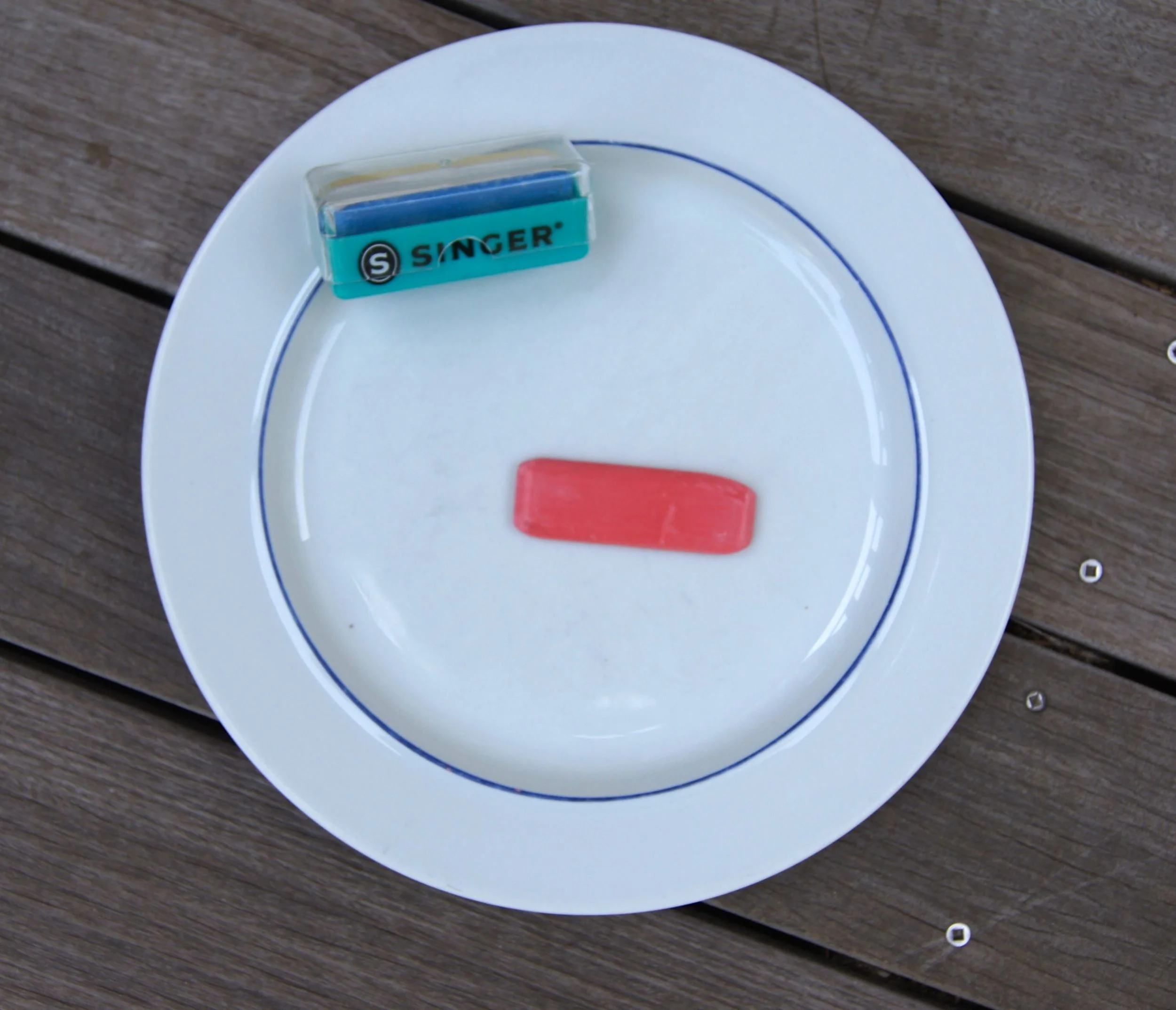
  • Press and starch your fabric prior to cutting. This is particularly important if you will have seams on the bias of the fabric.  I like Niagara Spray Starch.  Amazon sells it in environmentally friendly non-aerosol spray bottles which usually can't be found in local stores. 
  • Make sure to cut the fabric on the grain.  Fold the piece of yardage in half and holding the selvage edges together at the top.  The fabric should hang down smoothly.  If it doesn't scoot one edge of the selvage along the other edge until it does.  Then lay the fabric, folded in half across the width, on the cutting mat and cut a straight line across top edge. Now you are ready to cut!
  • Cut your fabric with a sharp rotary blade!  Replace it when it no longer runs smoothly.
  • Anchor the ruler with your hand flat on the ruler and always cut away from your body.
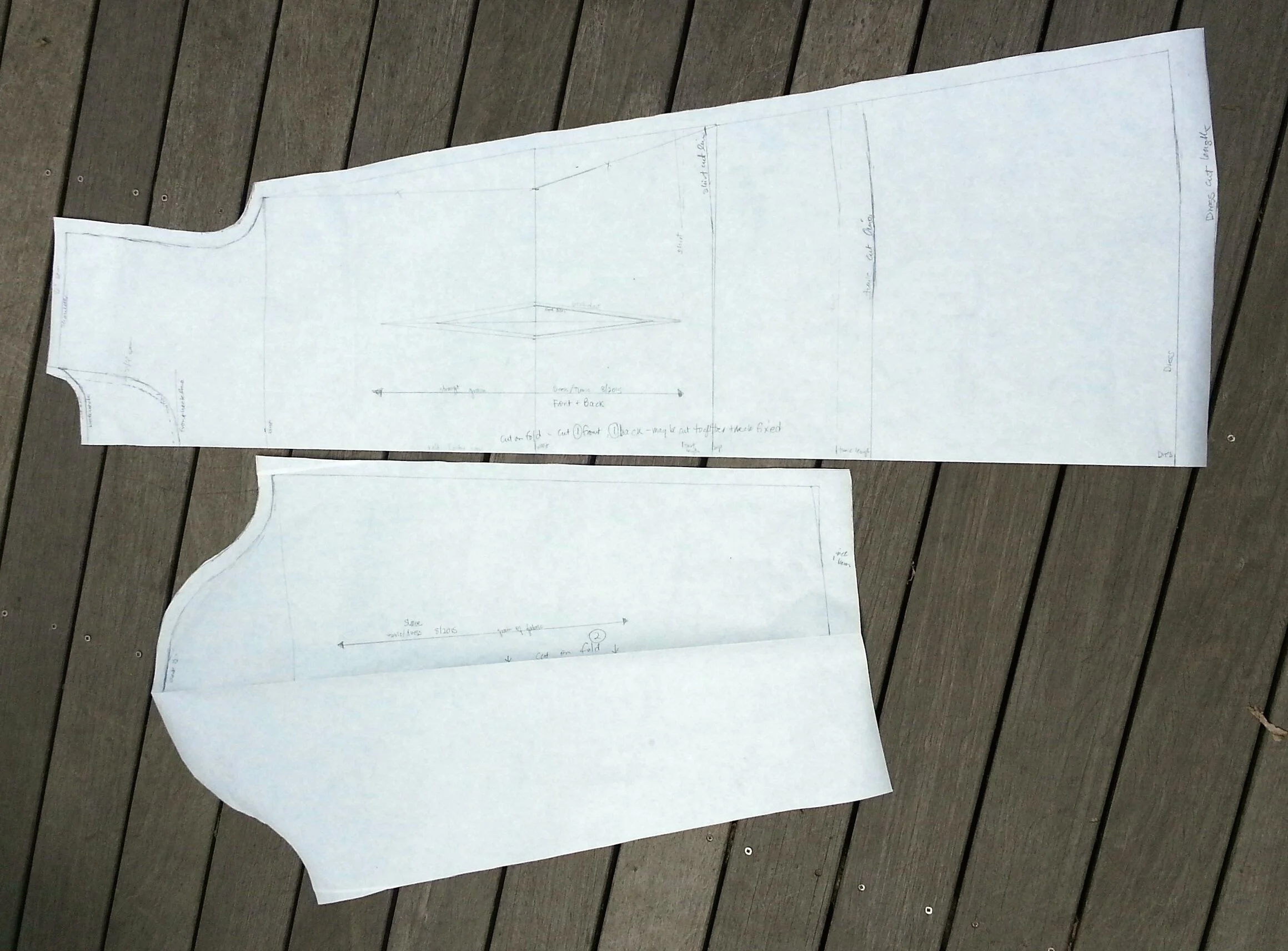
  • Sew a consistent quarter inch seam.  It's fine to use a 1/4 inch sewing machine foot but make sure it really does sew a true 1/4 inch seam.  If you have a big project, setting up a fence on your machine will help keep your seams consistent.  (Photo and more information about setting up a fence shown half way down my post in the link).
  • Set you seam by pressing with a hot iron. Then press you seams either to one side or press them open.  Either way is fine.
  • Stop and get up when you get tried or hungry.  Quilting is supposed to be fun!!

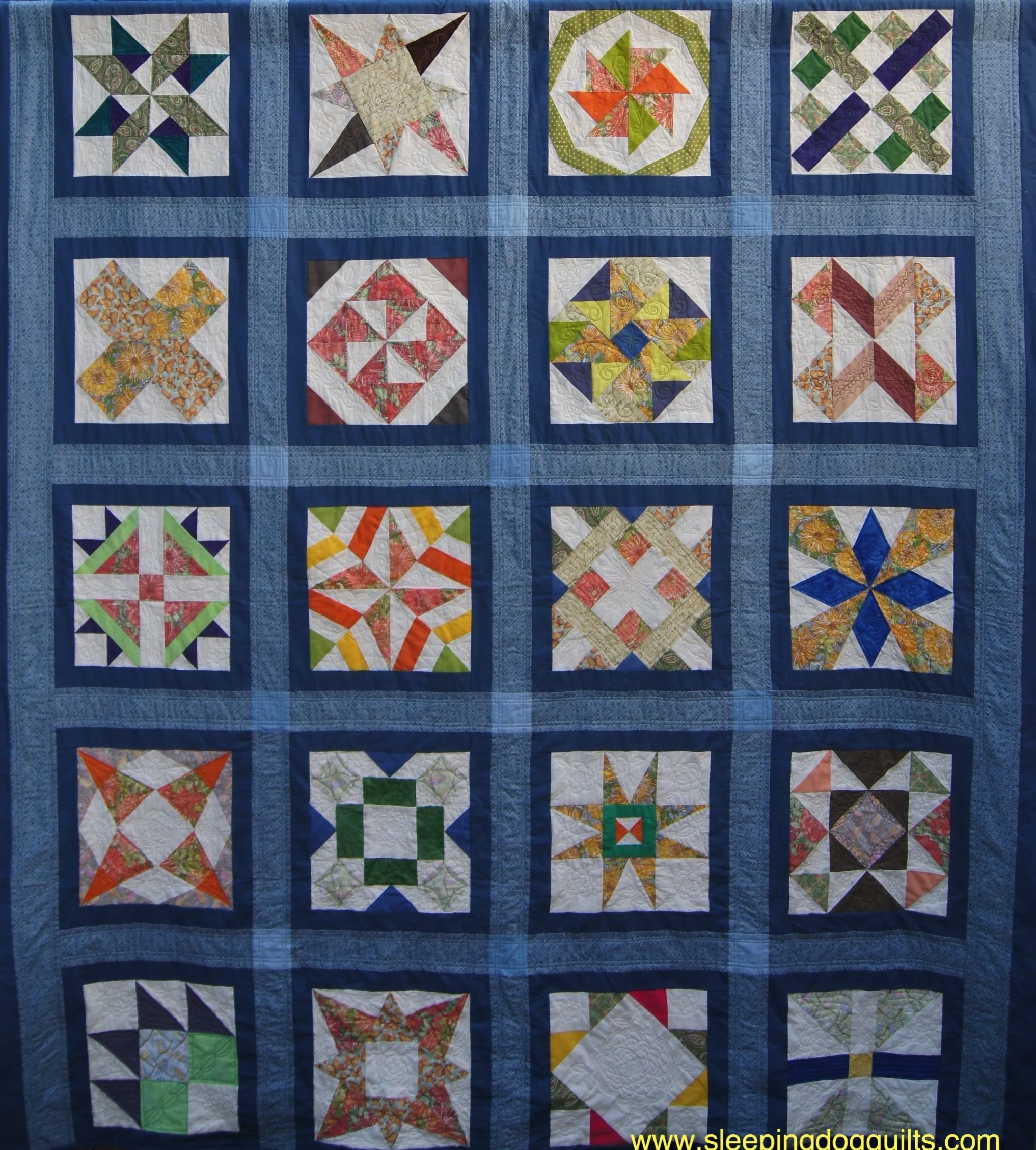
Here are the blocks made by the students in the class this past weekend. They were both still quite new to quilting.  They did great work!


My Two New Waldorf Style Girl Dolls

by Judy Tucker


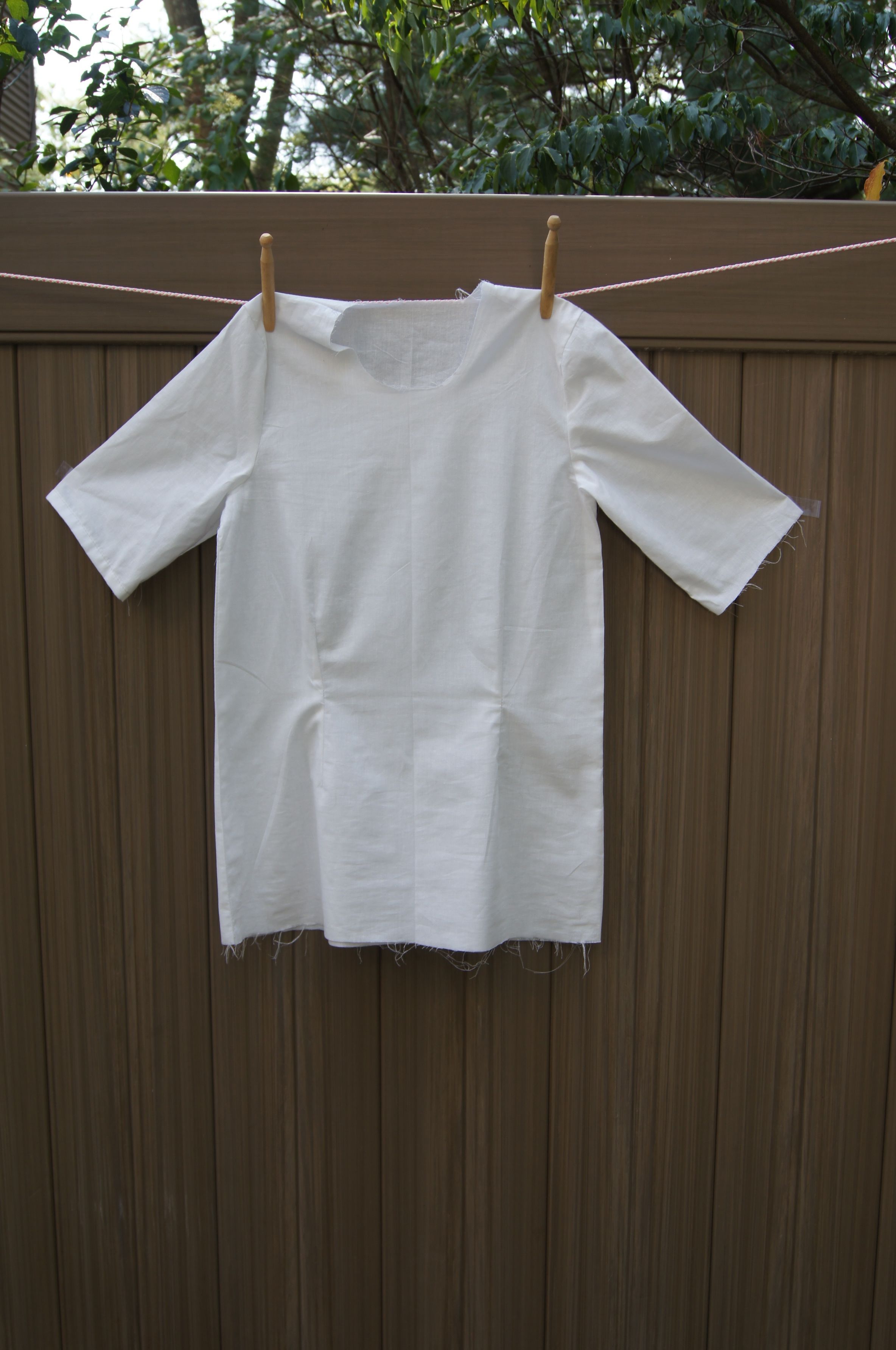
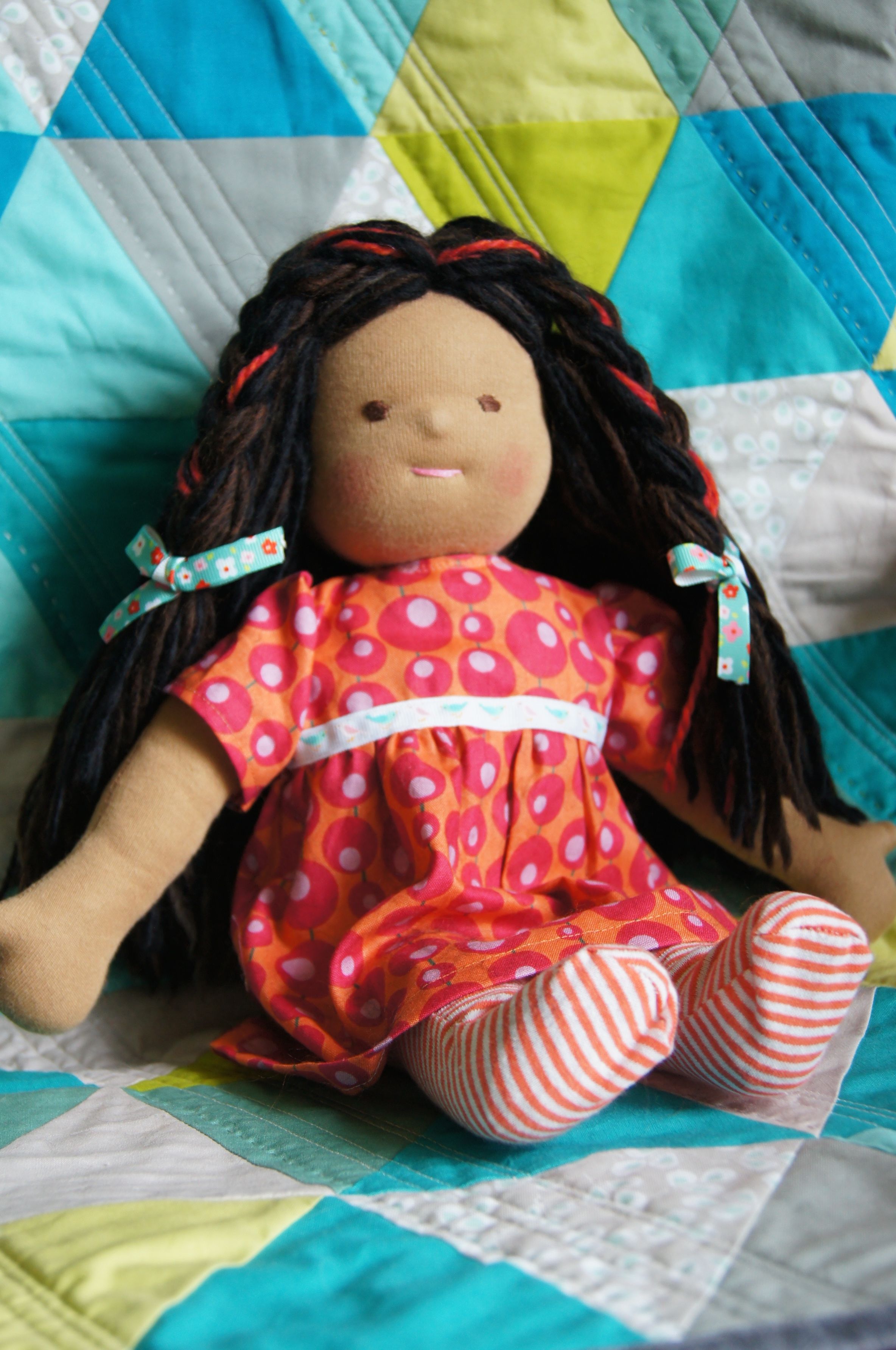
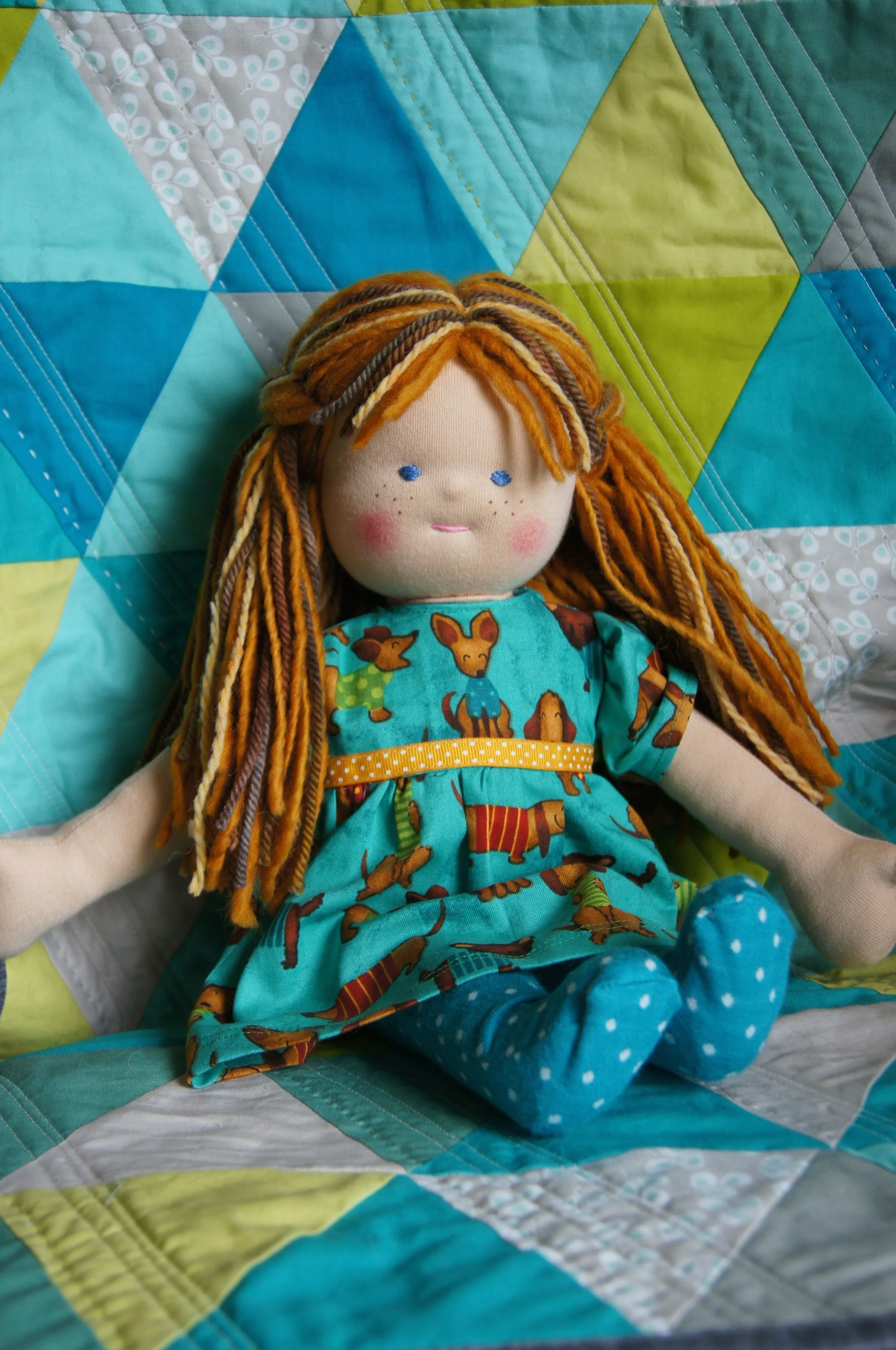
Here are two Waldorf type dolls I made recently.  I drew my own pattern for these dolls.  They are 14.5 inches tall and a bit on the lean side, but by no means skinny!

Their cute tights are a pattern from The Etsy Shop reggiesdolls.  They make me smile.  Neither of the knit fabrics I used for the tights had any lycra so the tights are a wee bit baggy. Just like tights get on real toddlers!

I made these two dolls for a charity event benefitting the Children's Hospital, Boston, which will be held next year. They will be for sale April 2016.  I'll repost in the Spring when I have the details.


Knitting: My Sky Scarf

by Judy Tucker


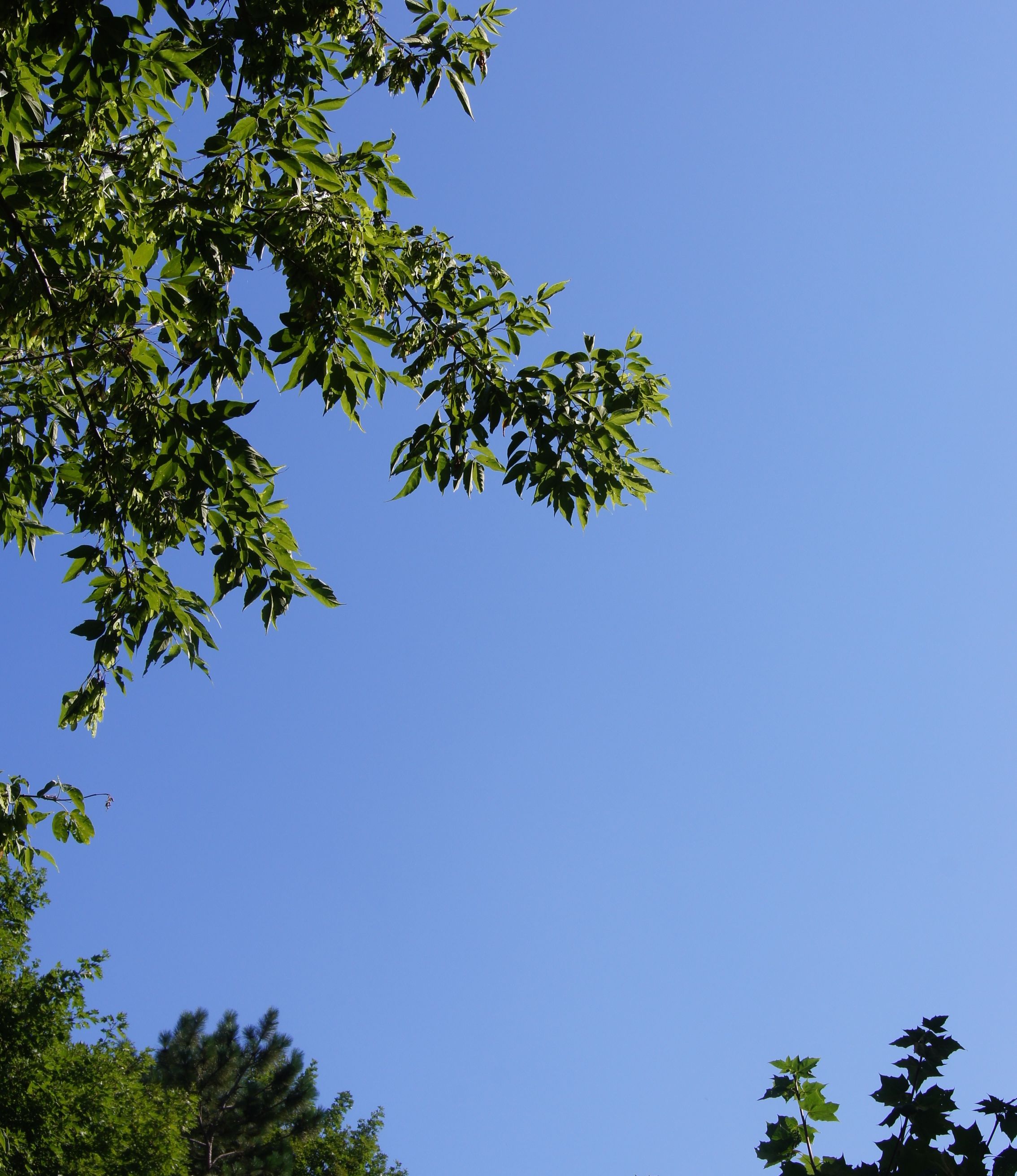
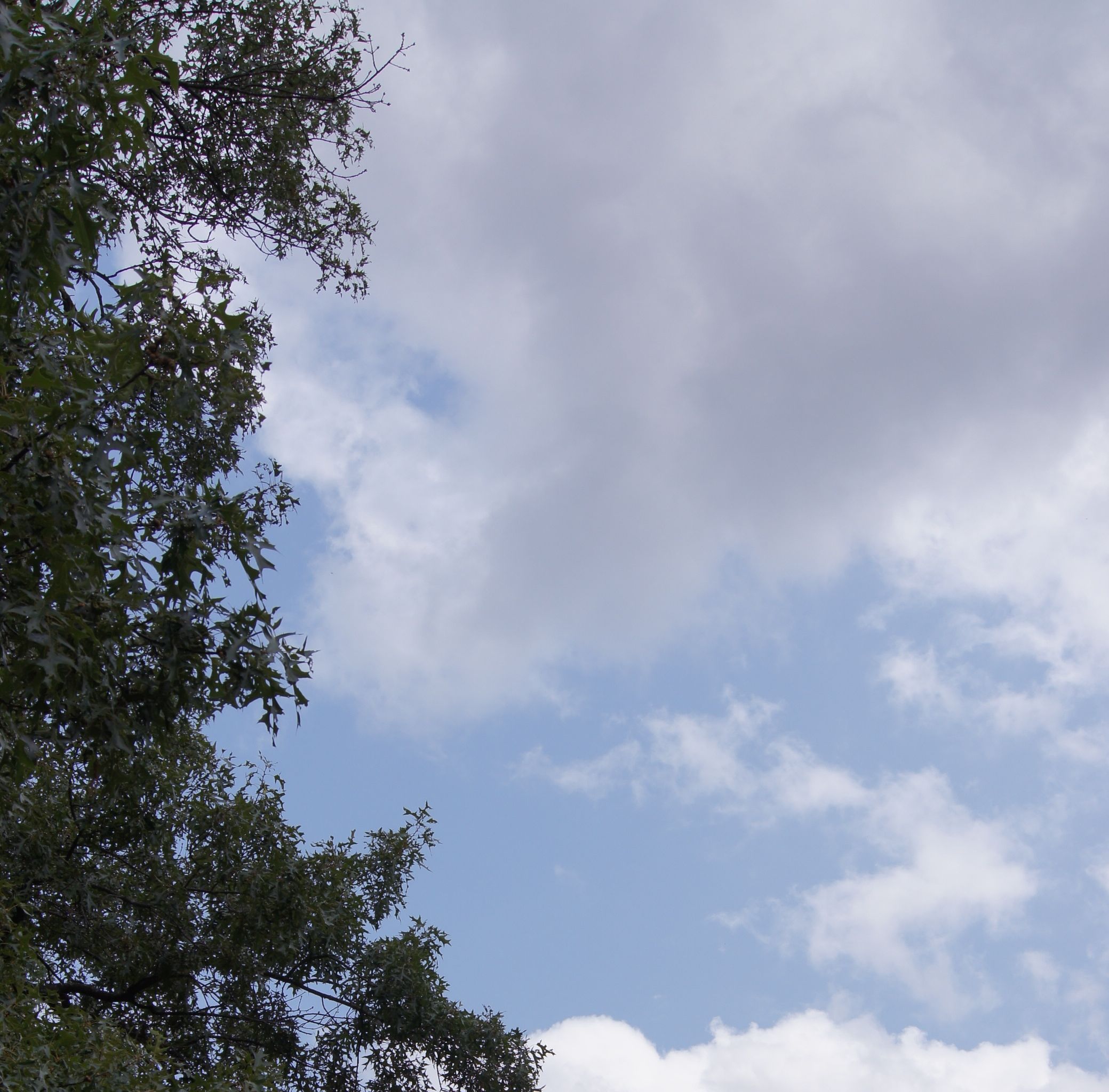
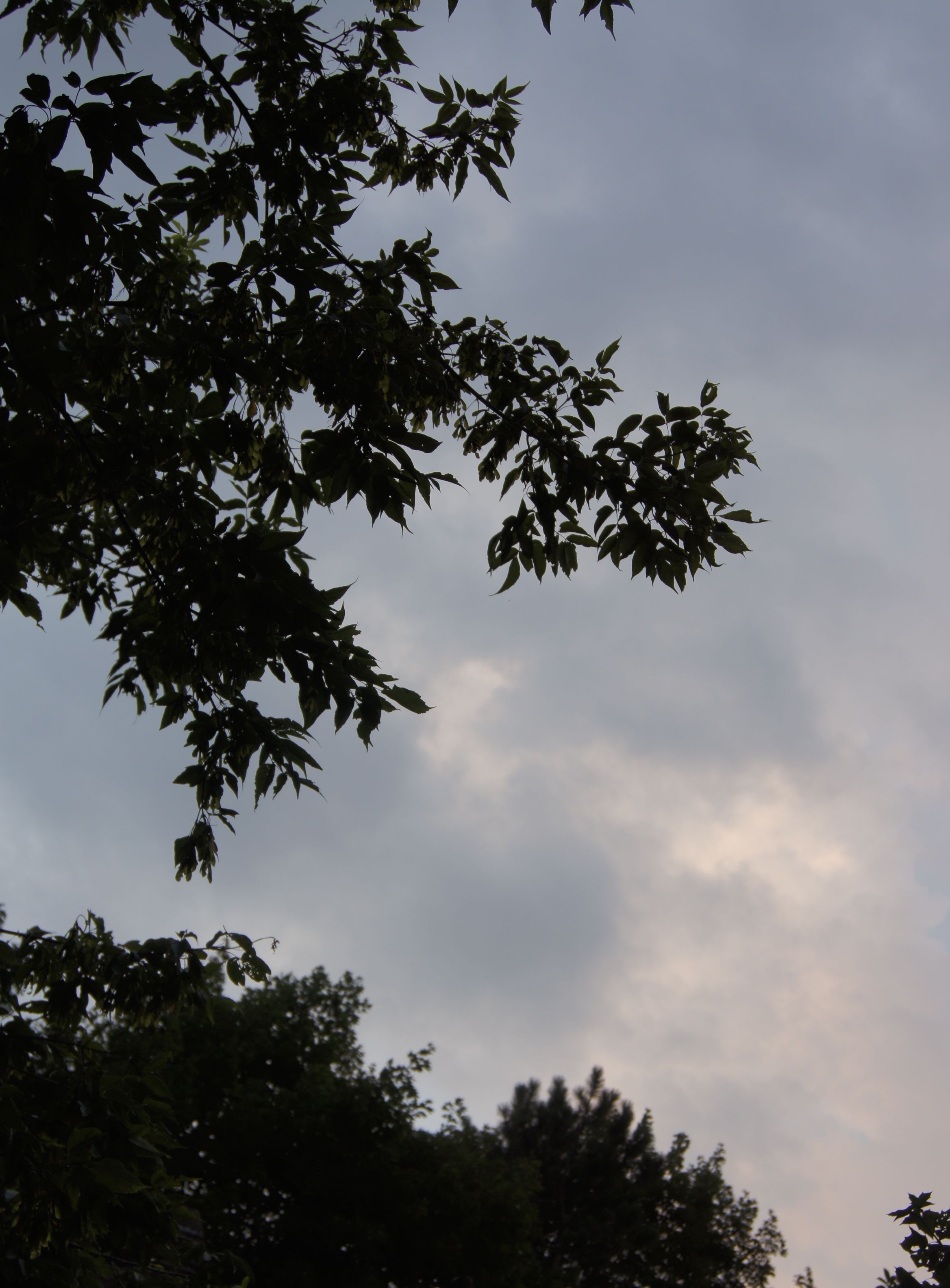
Have you heard about Leafcutter Designs' Sky Scarf conceptual knitting project?  The concept, and the knitting, on this project are straightforward.  Each day you look at the sky and pick 2 colors from your small collection of yarn that best represent the sky you see that day.  Then you knit 2 rows using those colors.  In twelve months you have a nice scarf AND a weather report for the year!

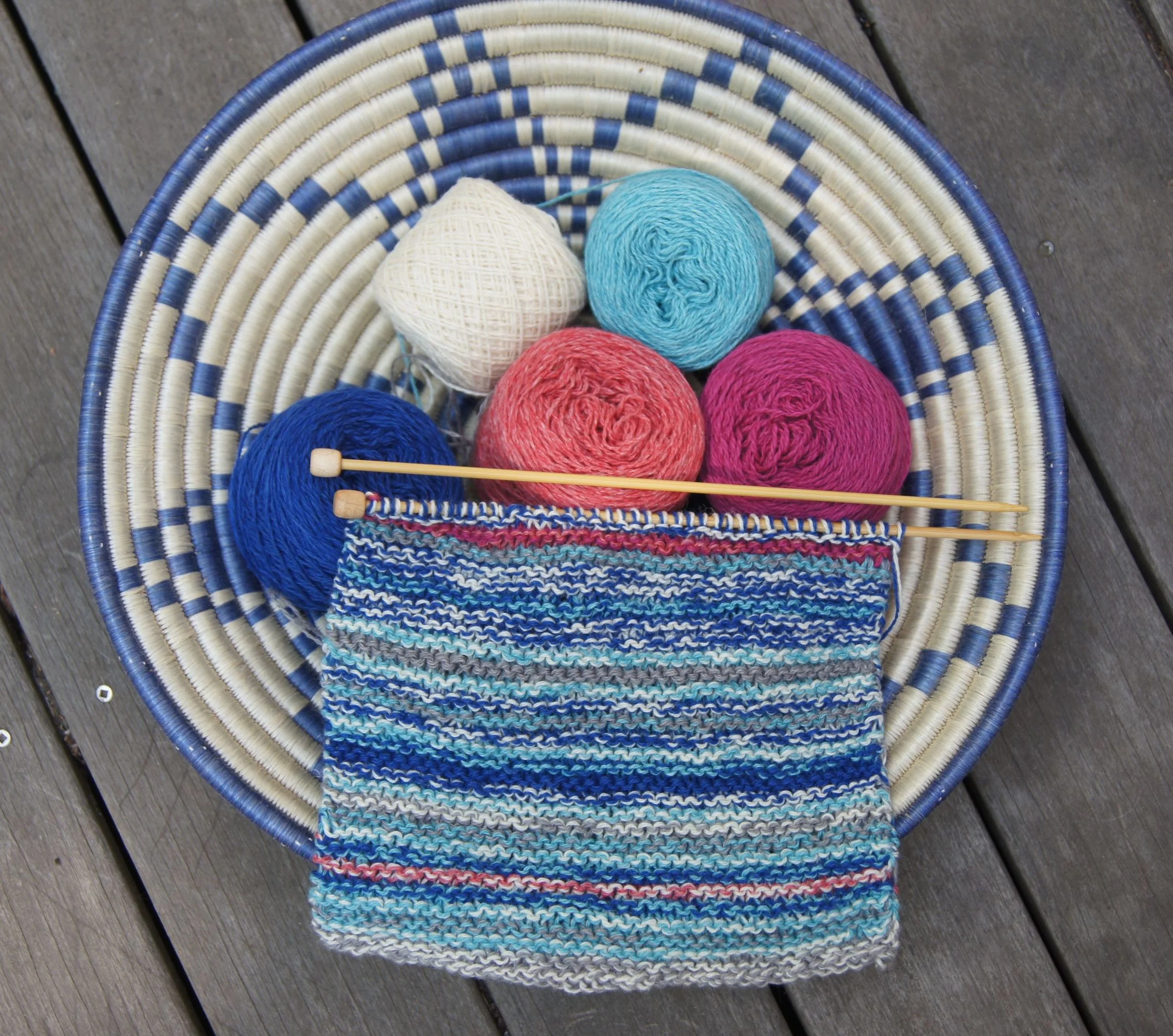
This sounded like too much fun to miss. Leafcutter Designs has a lovely kit with yarns which you may purchase at the link above. I picked out my yarns at JP Knit & Stitch, my local quilt/yarn shop. I decided to add a bit more color so I chose a couple of balls of yarn to use on days with stunning sunsets. 

It's really interesting.  I'm purposely looking at the sky everyday now, really appreciating UP and feeling more connected to God's creation.  

The most difficult part of knitting this scarf is picking the colors for the day.  On the days when it rains all day or the sky is bluest of blues, it's easy.  But you know that adage about Boston weather:  "If you don't like the weather here, wait a minute"?   It is so true!!  I'll think I know what my yarns for the day will be and then an hour later the sky is completely different!  It can be a real challenge!

The little bit of knitting every evening is really nice, a quieting calm space in each day. 

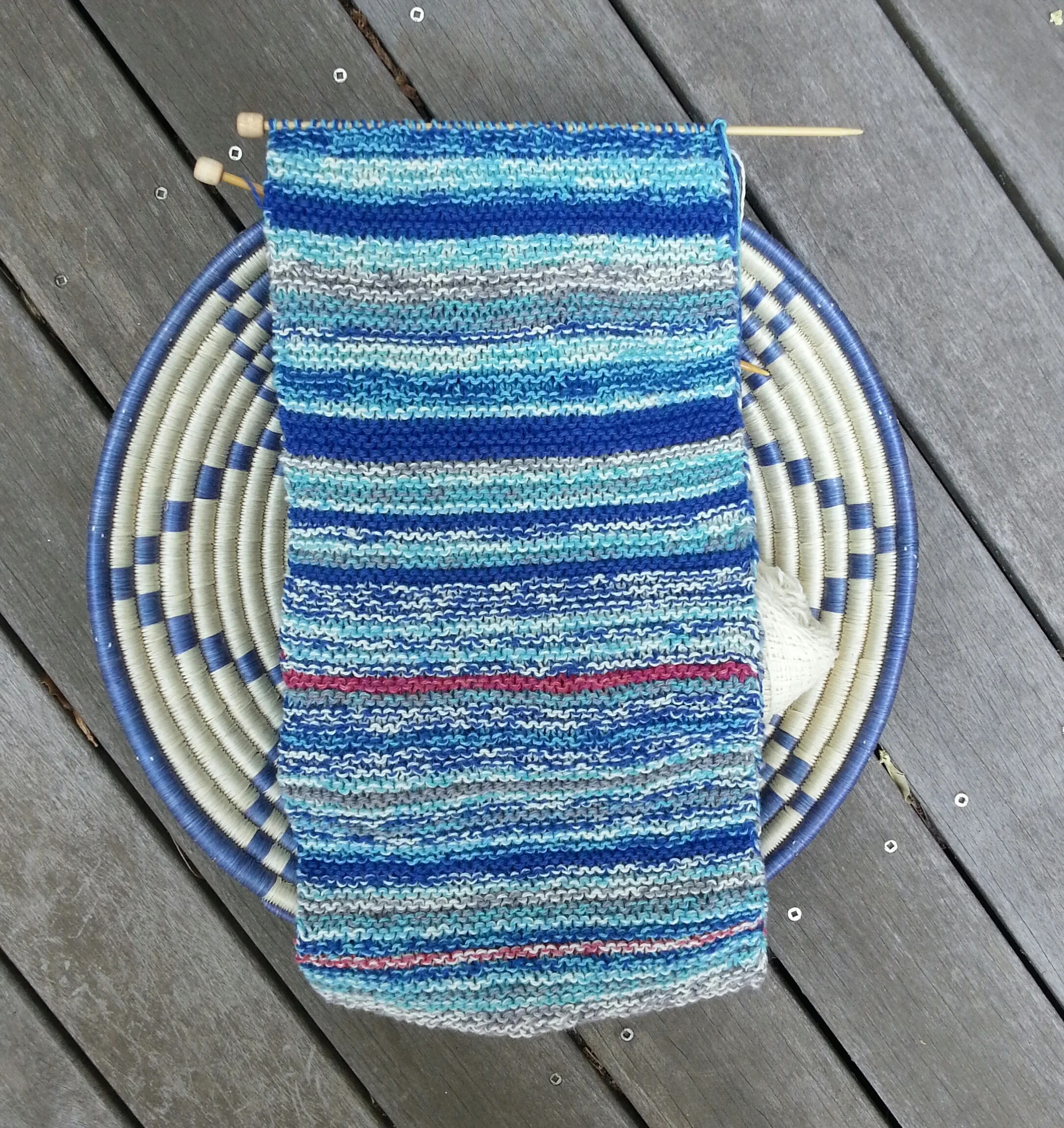
Here's my first month of knitting:  June 27 to July 28, 2015.  

Weather report: July 2015 in Boston, Massachusetts

Weather report: July 2015 in Boston, Massachusetts

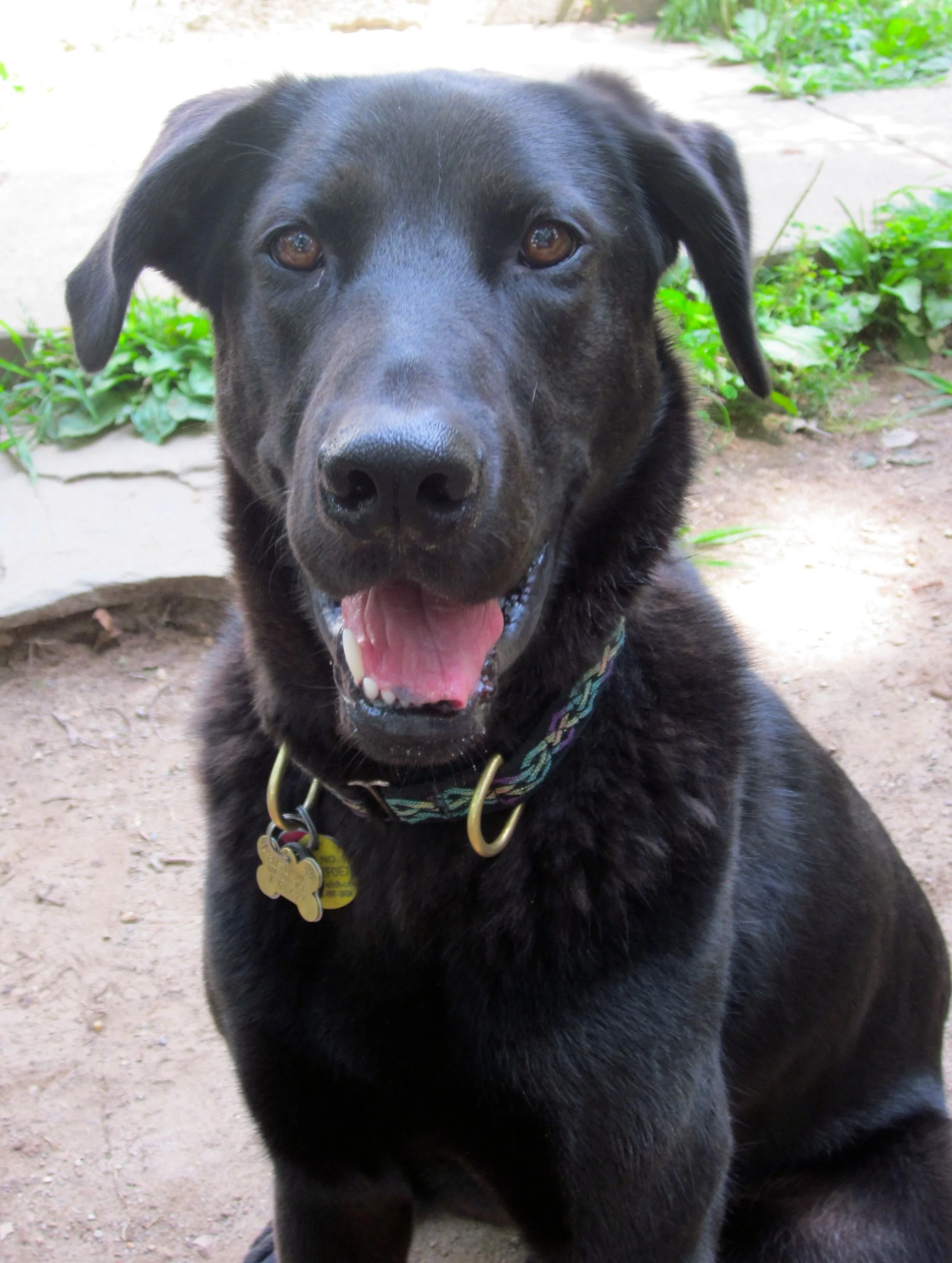
The first row with red is July 4th.  The red and white rows symbolize the fireworks over Boston's Esplanade.  I didn't see them, not even on television. In an effort to keep my noise-sensitive English Springer Spaniel calm and quiet, I was watching a show about the British monarchy with a narrator who has a very calming voice!  (The show, and a lot of training for the past year, really helped Tipper a lot)!

The brighter rows up near the needles are a recent sunset.  In July I had expected a lot of deep blue rows.  But it turns out we have a lot of blue days with clouds.  So, lots of bright blue and light blue and white.

My yarn is a mix of fibers. It's from Denmark. I can't read the label but I think it is wool and cotton. I love the colors and it has a nice feel knitted up.

If you want to see other folk's Sky Scarf projects, check out #skyscarf on Instagram.  And join the party if you knit!